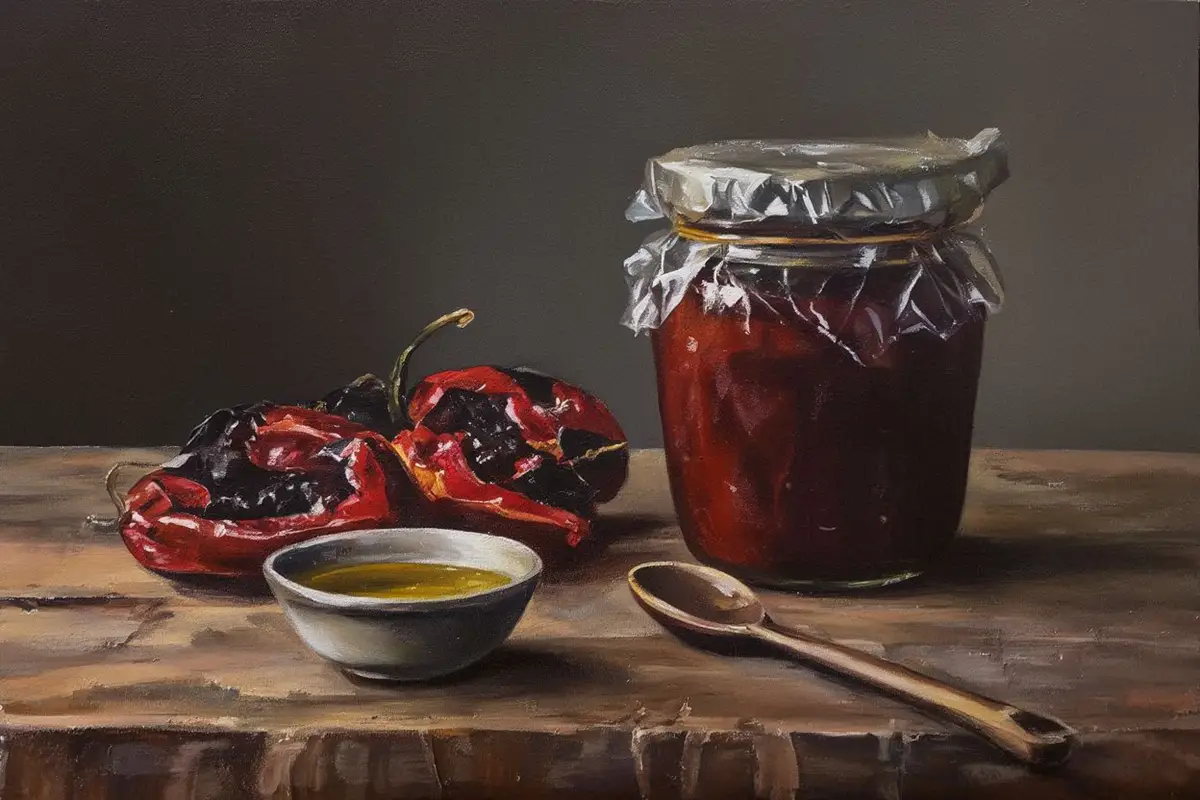
Why Your Grandmother's Ajvar Tasted Different
Sun-drying, wood fire, frying in oil — the old ajvar method produced something darker and deeper than what most jars contain today. What changed and why.
The Attic Recipes Blog
Ingredient guides, cooking techniques, and food history.
Sun-drying, wood fire, frying in oil — the old ajvar method produced something darker and deeper than what most jars contain today. What changed and why.
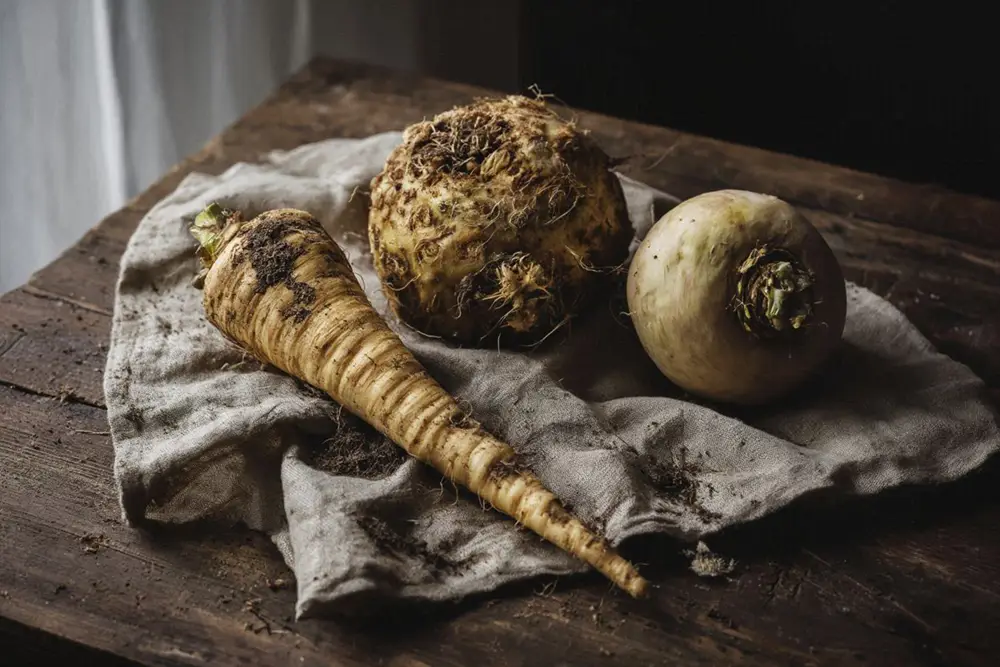
Before carrot dominated every stock and stew, three other roots did most of the work. Still available, still cheap, and still better at certain jobs.
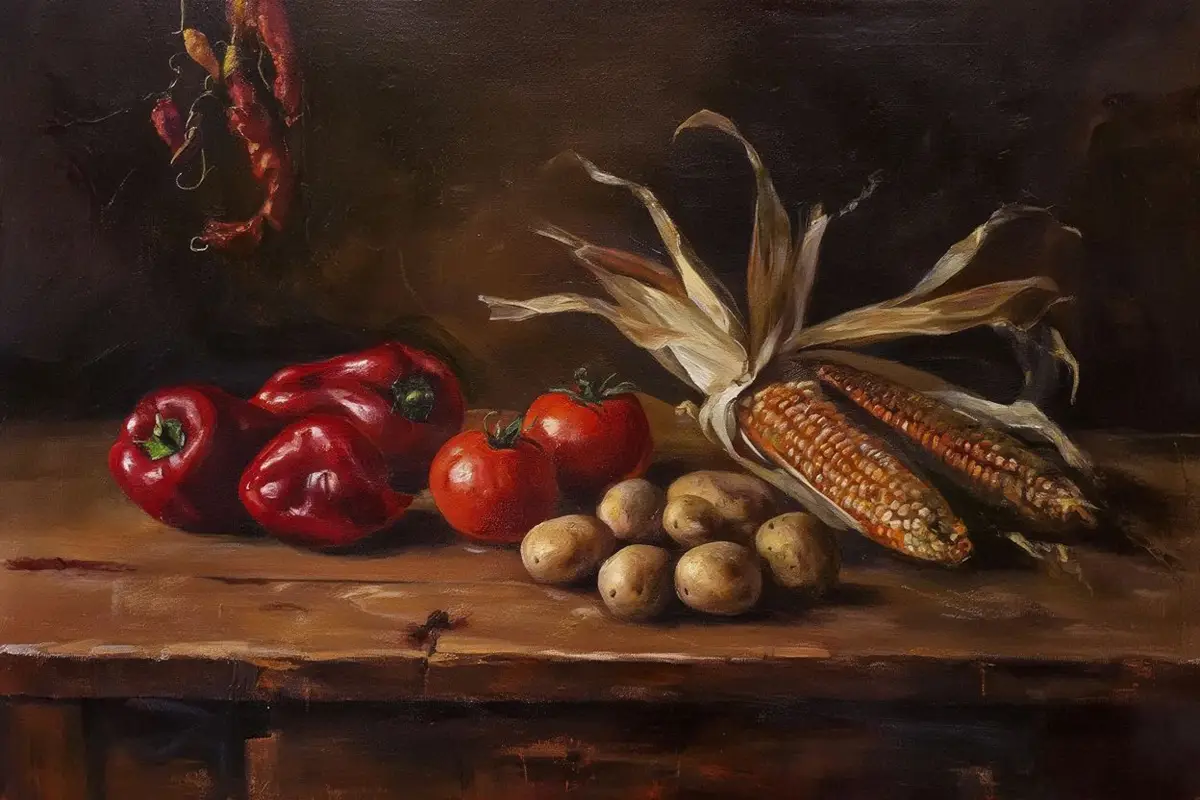
Tomatoes, peppers, potatoes, maize — Central European cooking is built on American crops. The story of how they arrived and why they stayed.
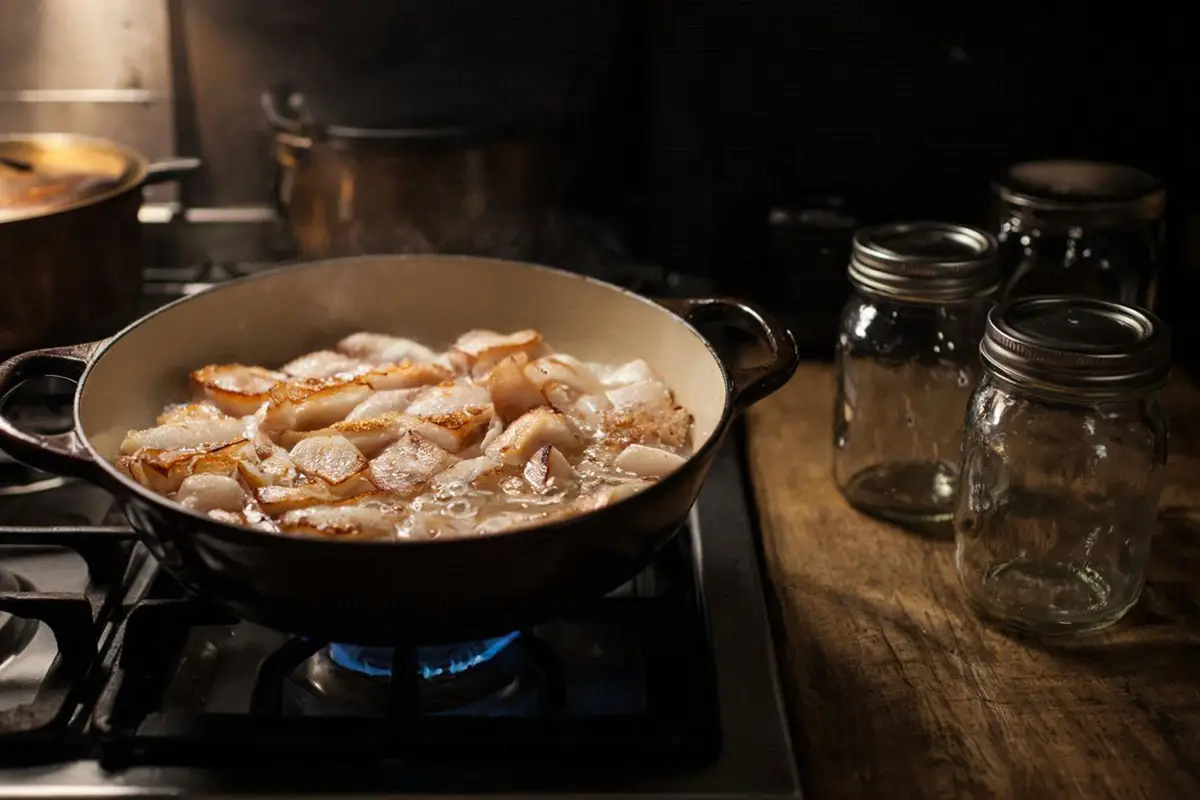
Rendering animal fat at home takes two hours and basic equipment. Here is how to do it correctly, what the science says, and why it is worth doing.
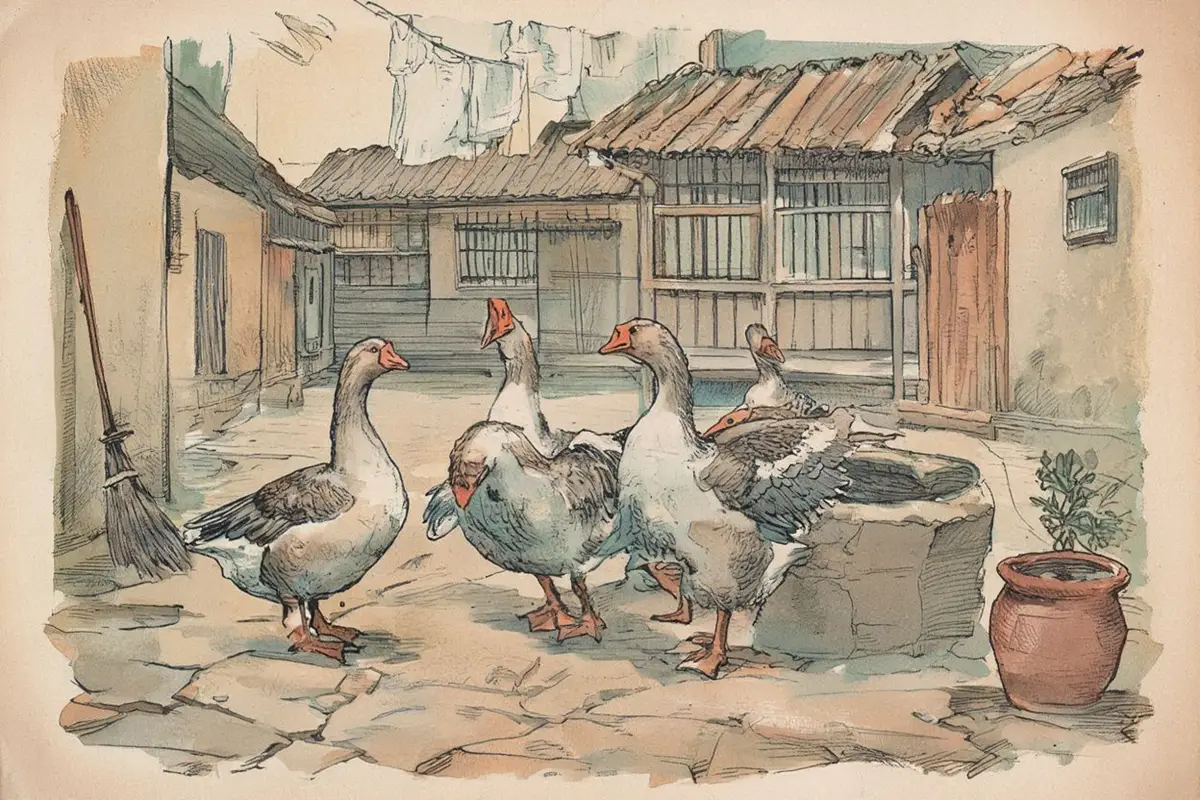
Before foie gras became a restaurant luxury, it was a farmwife's seasonal prize. The forgotten Central European culture of goose fattening.
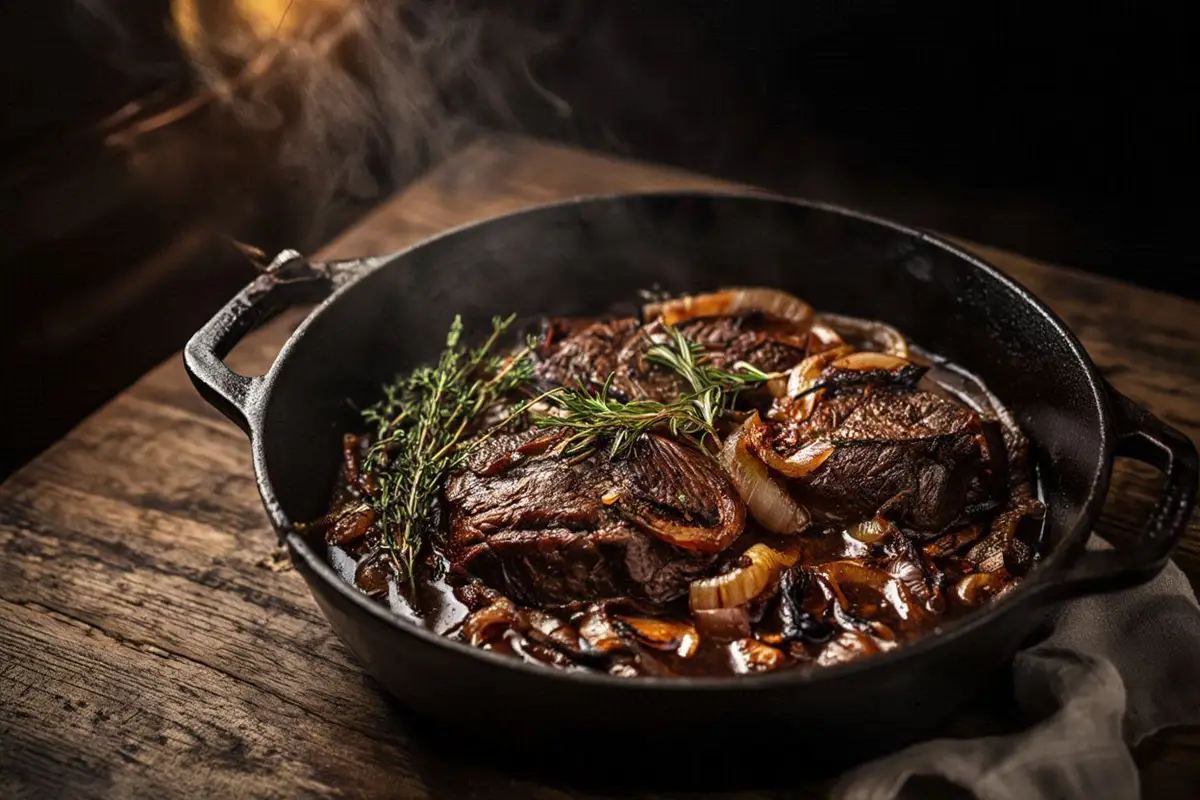
Braising turns the cheapest cuts into the most flavorful meals. The science of collagen, the right temperature, and the technique that gets it right every time.
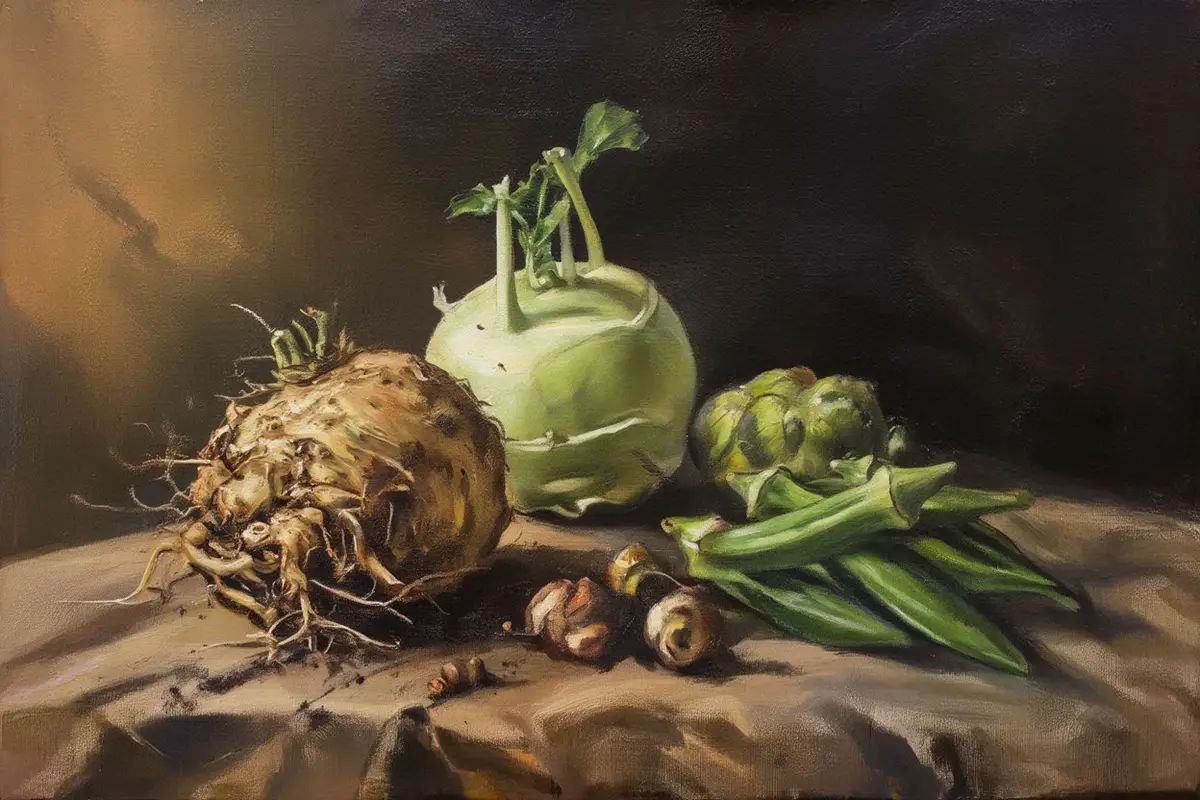
Celeriac, kohlrabi, okra, Jerusalem artichoke, chayote — five vegetables left on the shelf. What they are, how they taste, and how to cook them.
Old recipes are not incomplete. They assume kitchen competence. Learning to decode the gaps makes these books remarkably precise.
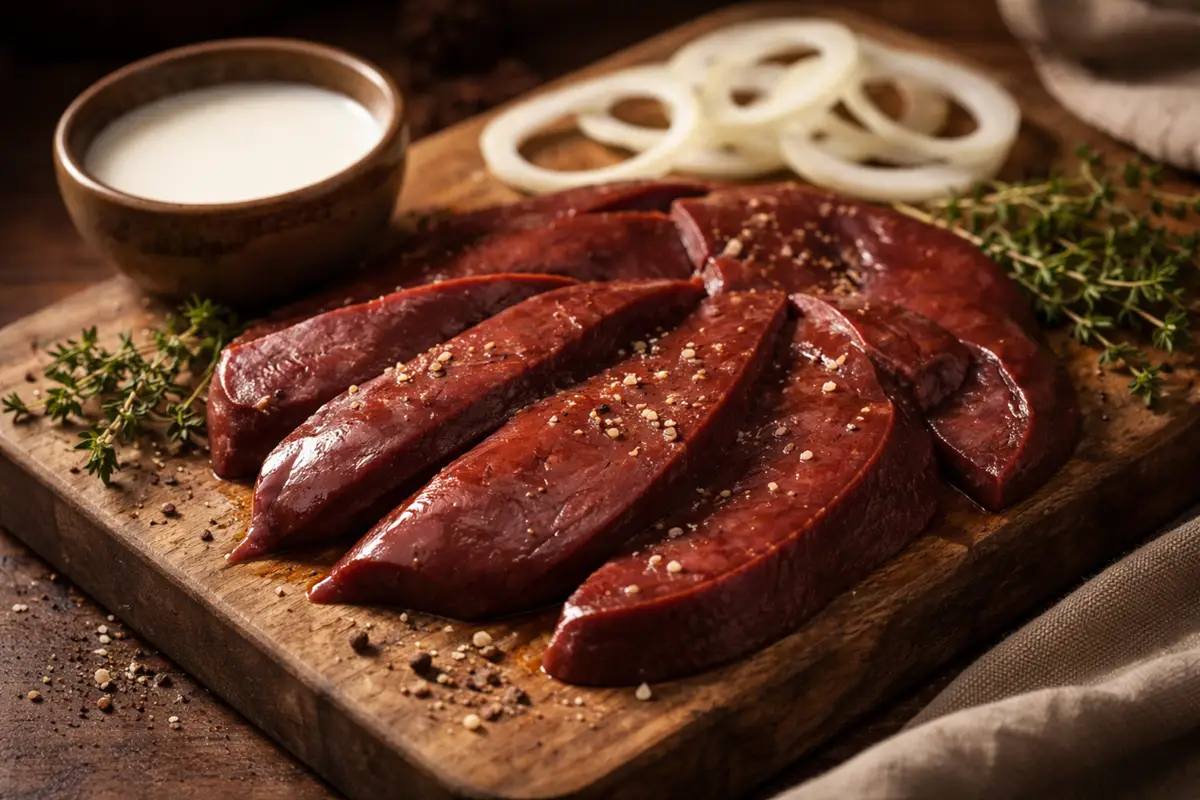
Beef liver is one of the most nutrient-dense foods on earth. Here is what the science says, how to handle it, and how to make it taste good.