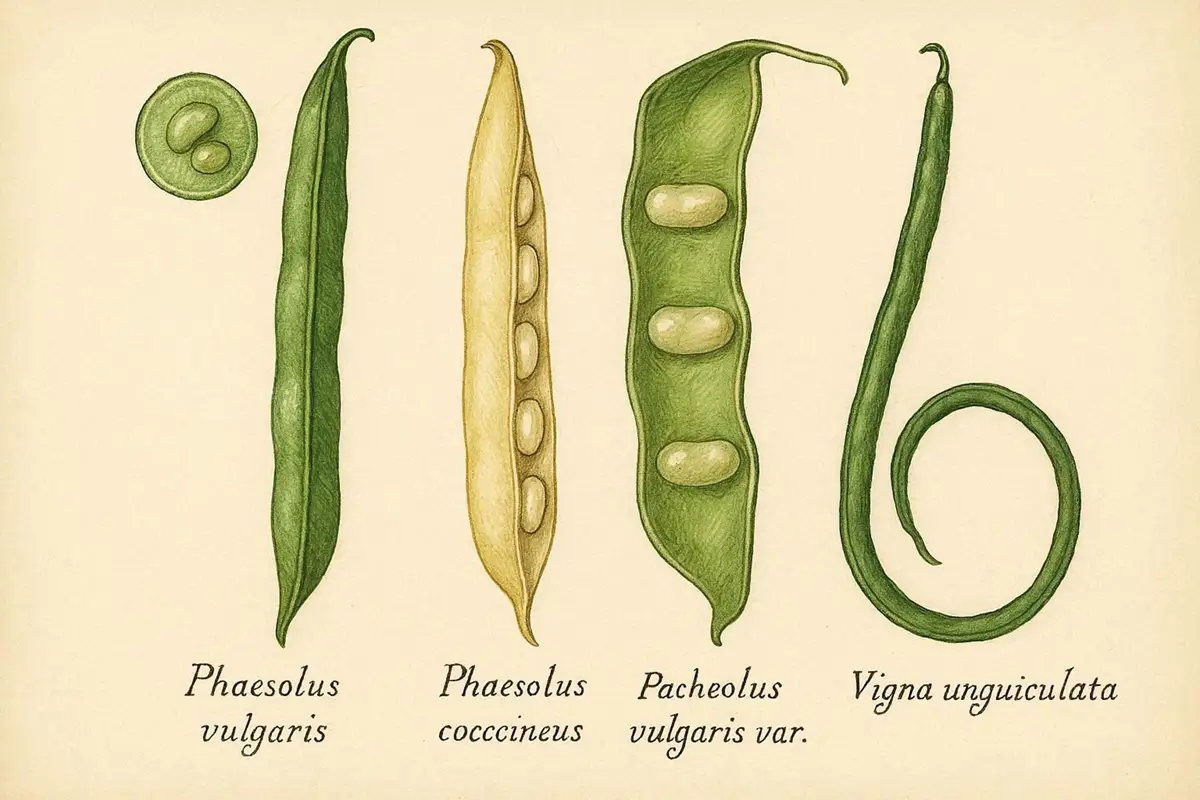
Green, Yellow, or Flat: A Guide to Bean Varieties in the Kitchen
What is the actual difference between yellow wax beans and green beans? And what about those long, flat ones? A cook's guide to bean varieties.
The Attic Recipes Blog
Ingredient guides, cooking techniques, and food history.
What is the actual difference between yellow wax beans and green beans? And what about those long, flat ones? A cook's guide to bean varieties.
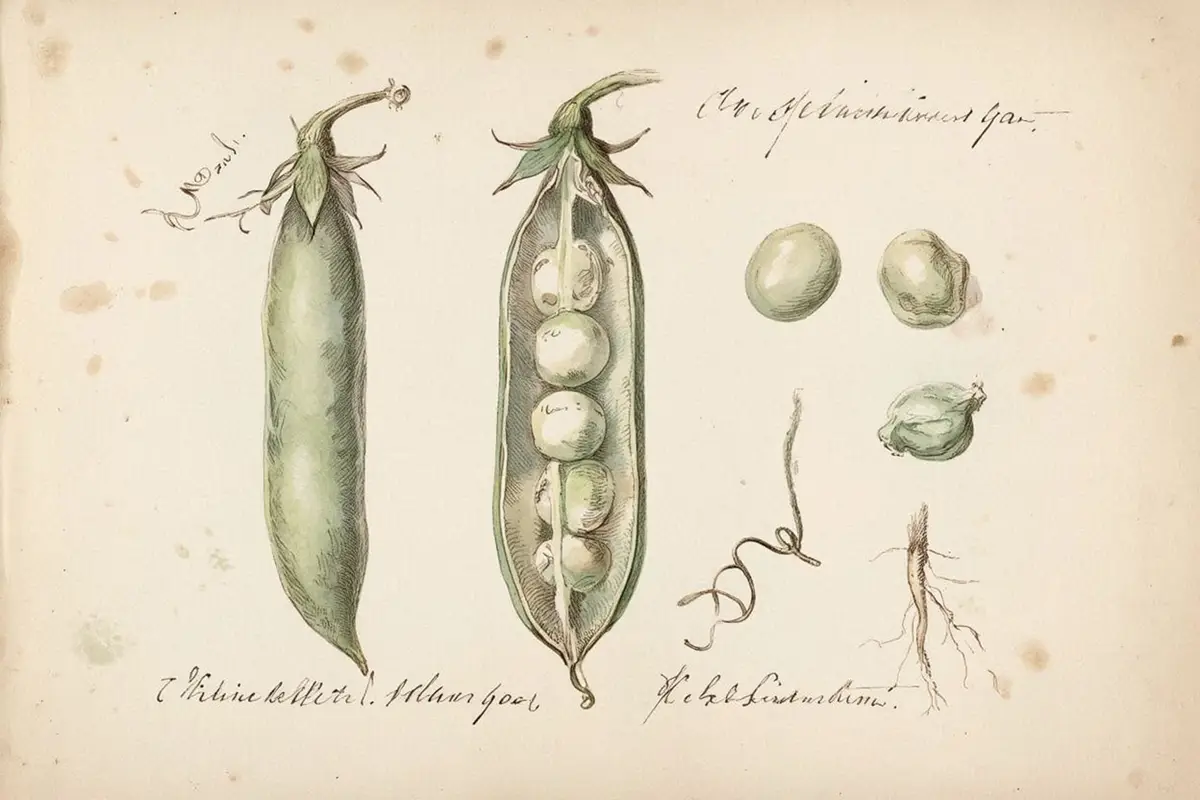
Fresh peas convert sugar to starch within hours of harvest. Here is the science, what to look for at the market, and when frozen peas are the better choice.
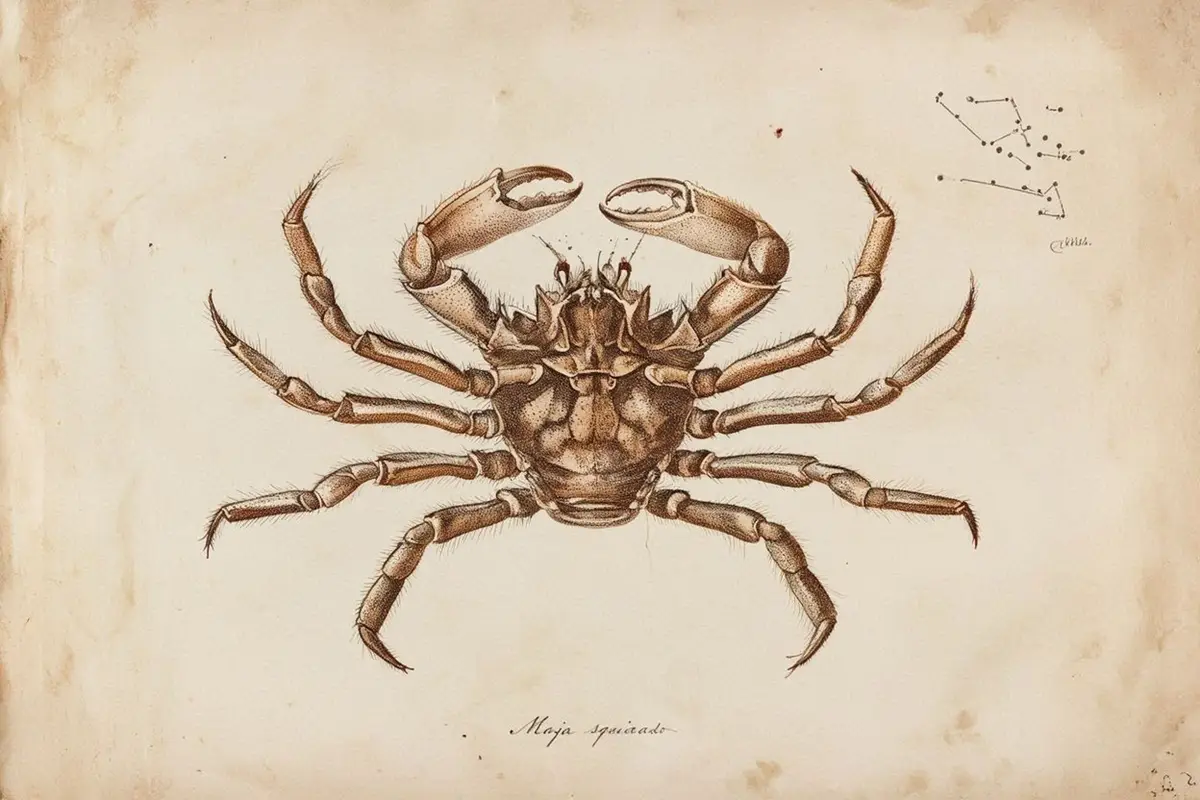
From Greek mythology to Adriatic fish markets — the surprisingly rich cultural history of the crab, plus a practical guide to cleaning spider crabs at home.
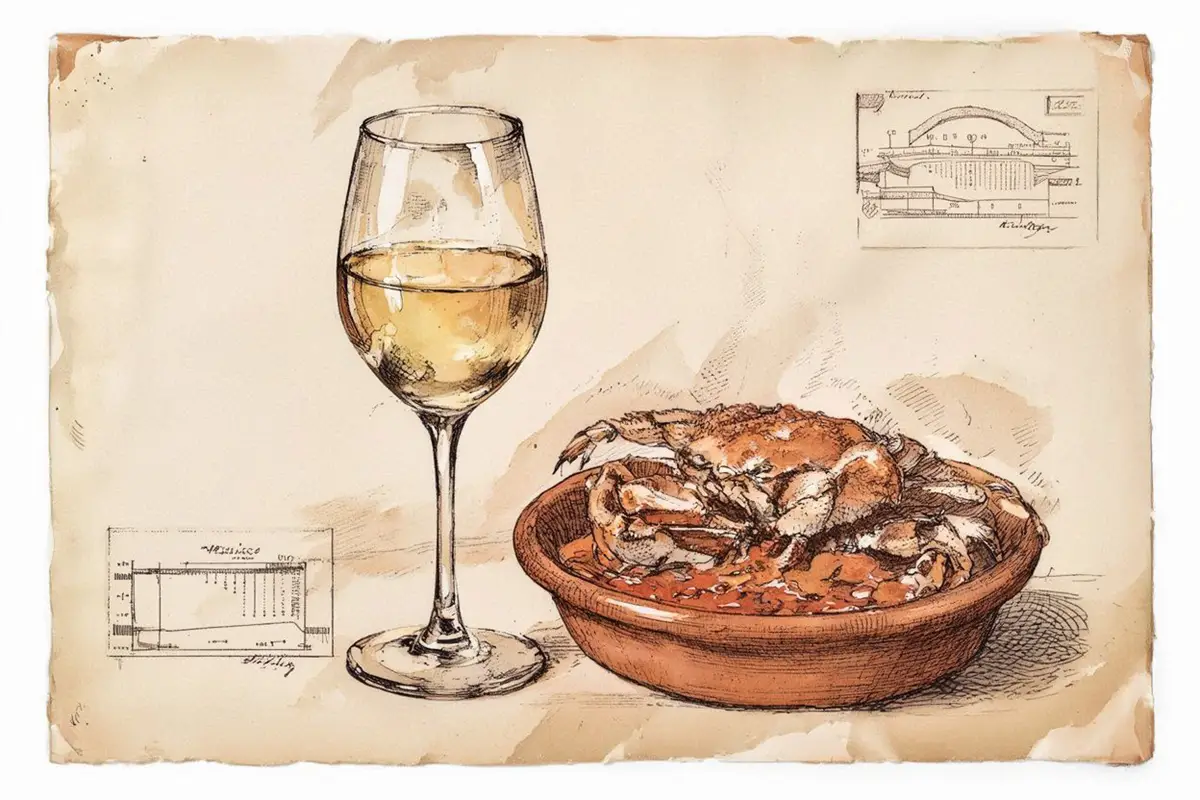
How to choose wine for crab and seafood dishes by understanding acidity, body, and tannins — without memorizing a single brand name.
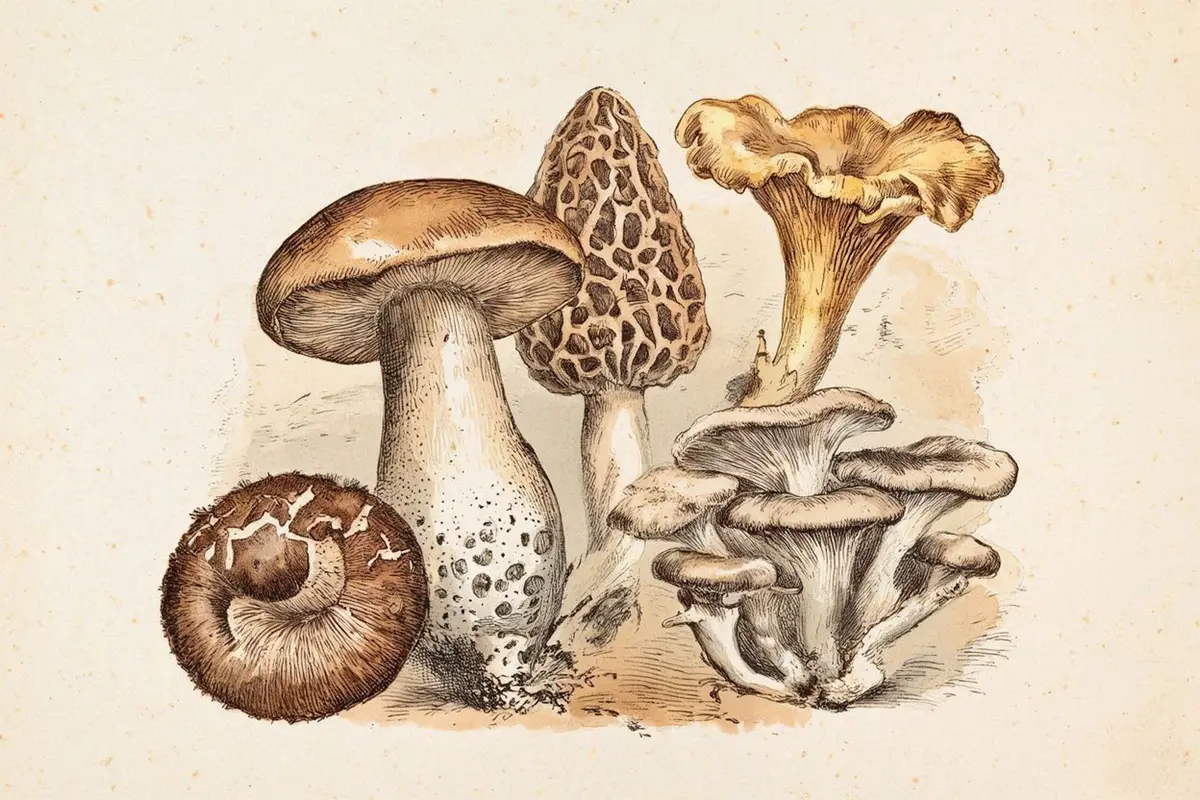
A culinary and scientific overview of the world's most notable edible mushrooms by continent — from European porcini to Australian saffron milk caps.
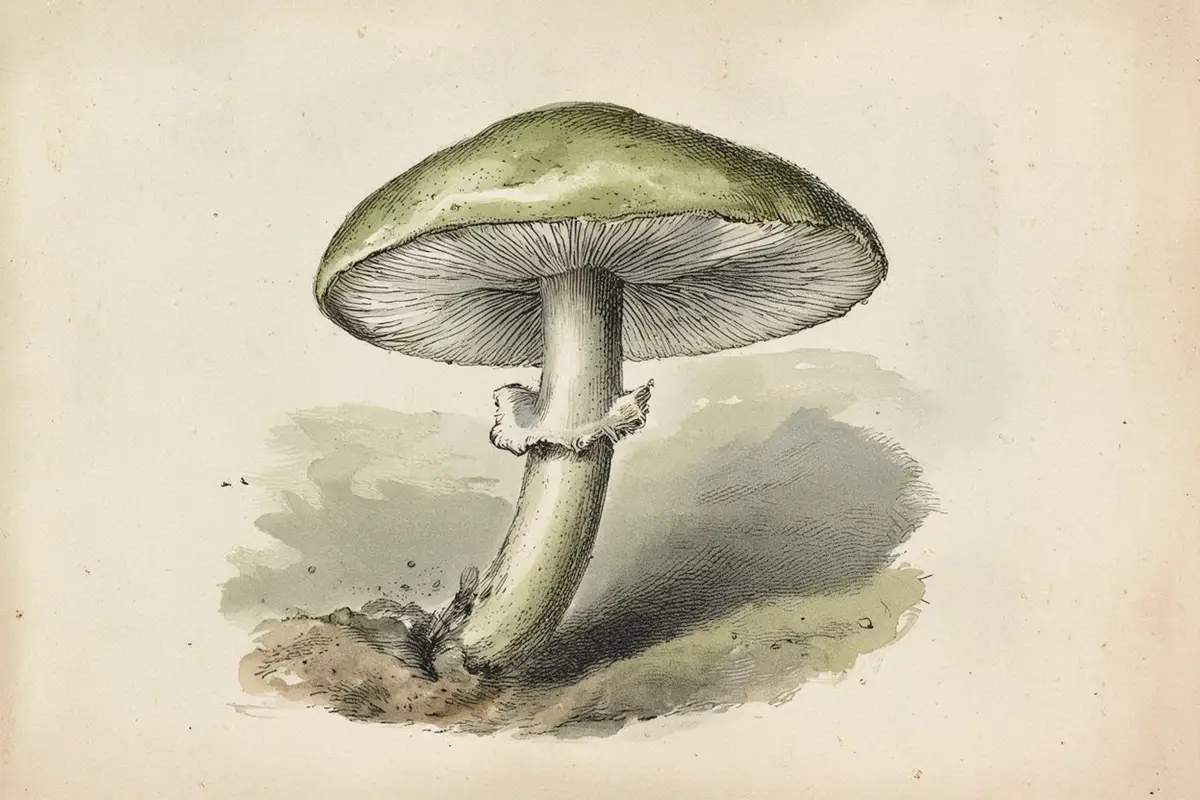
The world's most dangerous toxic mushroom species by continent — their toxins, symptoms, and why expert identification is essential.
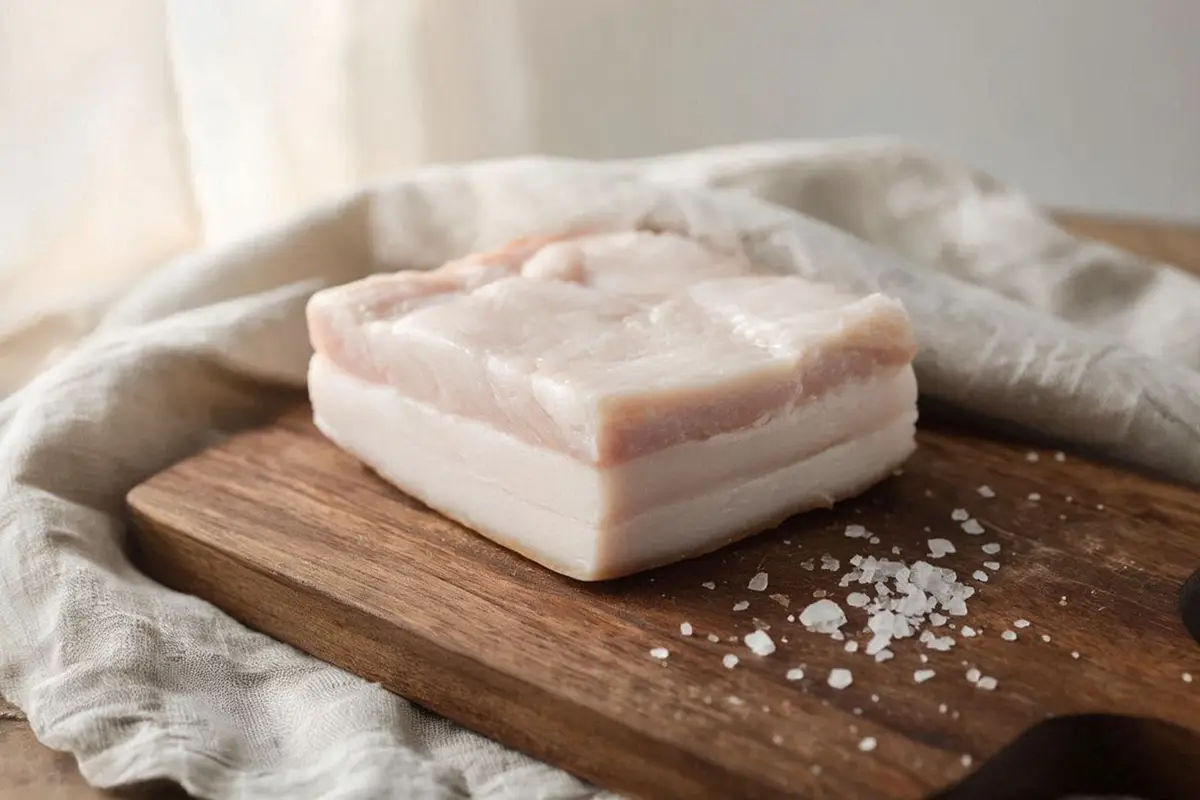
Fatback — raw pork back fat — was the backbone of Central European kitchens for centuries. Here's what it is, how to use it, and why it's worth knowing.
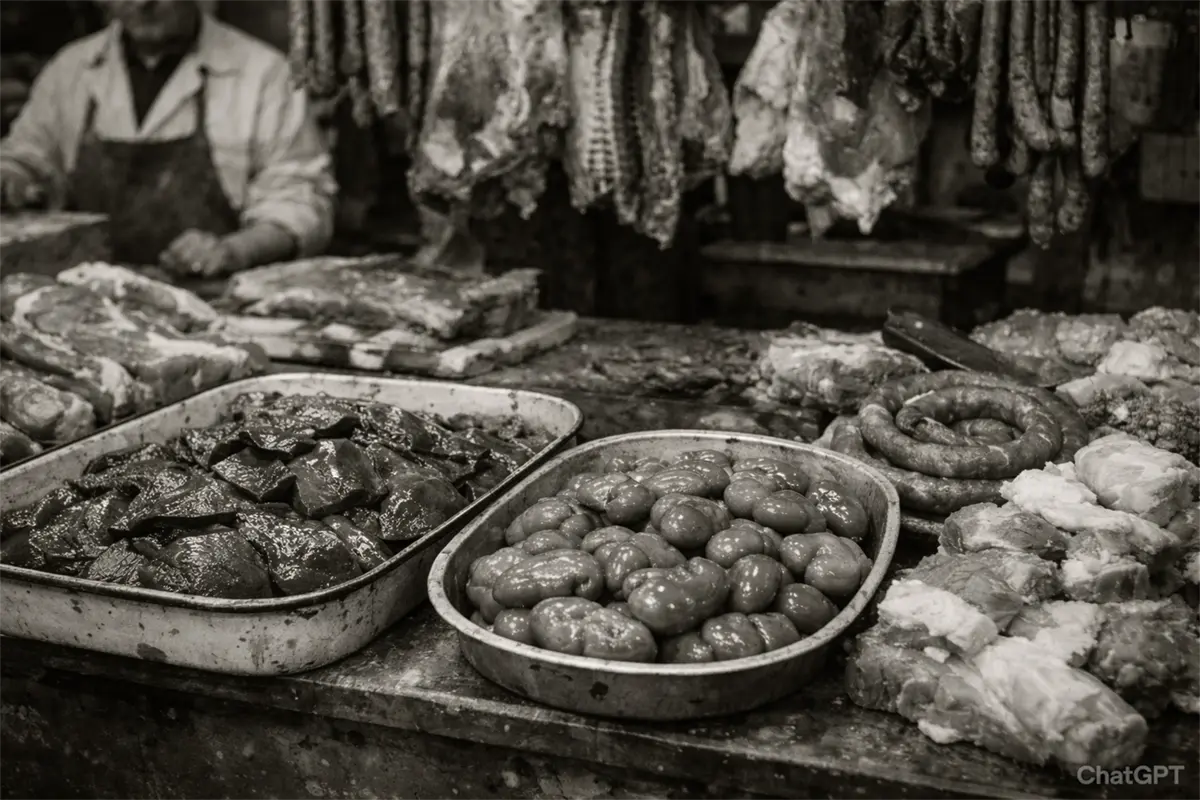
In pre-war European households, liver, kidney, tongue, and brain were not niche ingredients. They were weekly staples cooked with serious technical skill.
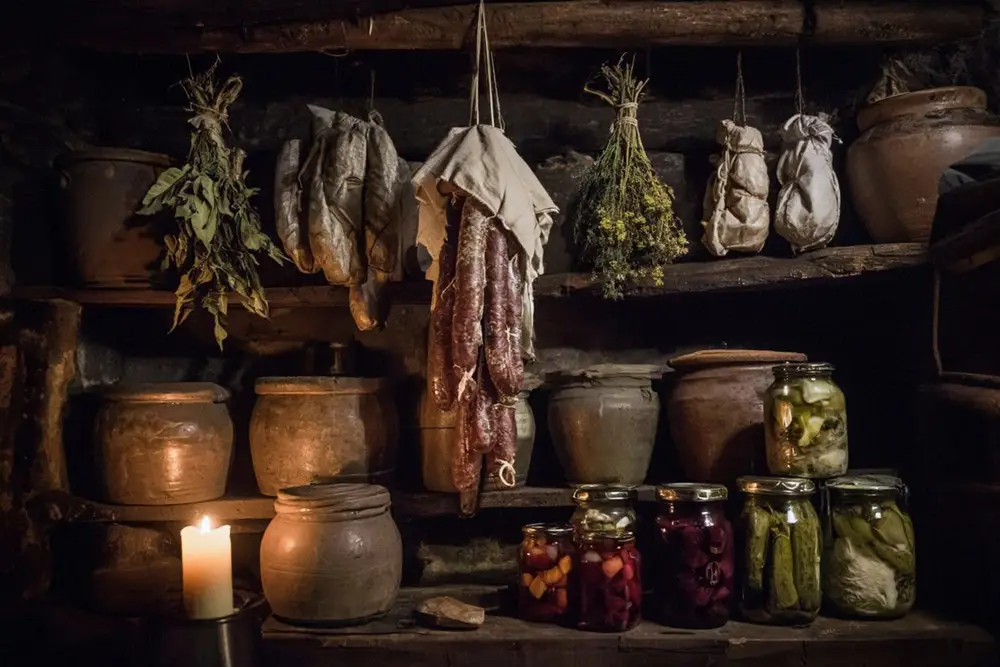
Before refrigerators, kitchens relied on salt, smoke, acid, and cold to keep food safe. These were not workarounds — they were precise, tested techniques.