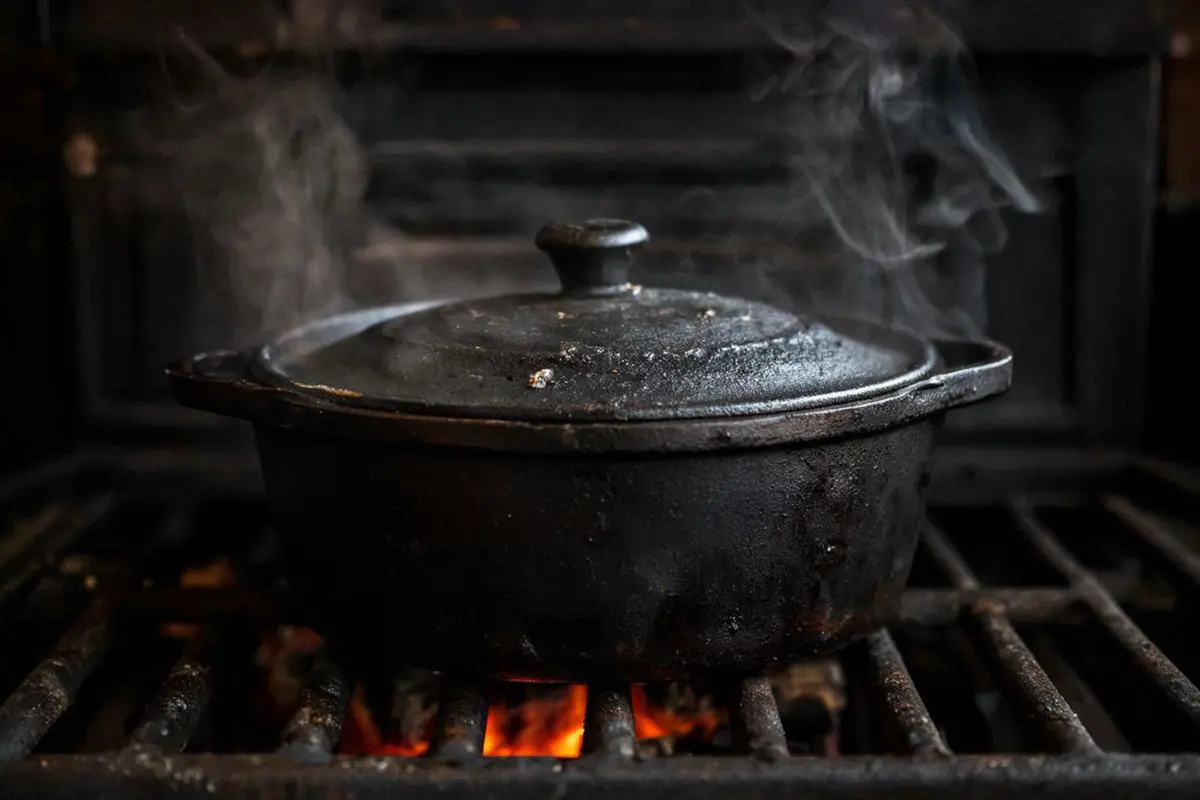
Braising Is Not Slow Cooking. Here Is the Difference.
Braising is a precise two-phase technique. Confusing it with slow cooking produces different results. Old recipes knew exactly what they were doing.
The Attic Recipes Blog
Ingredient guides, cooking techniques, and food history.
Braising is a precise two-phase technique. Confusing it with slow cooking produces different results. Old recipes knew exactly what they were doing.
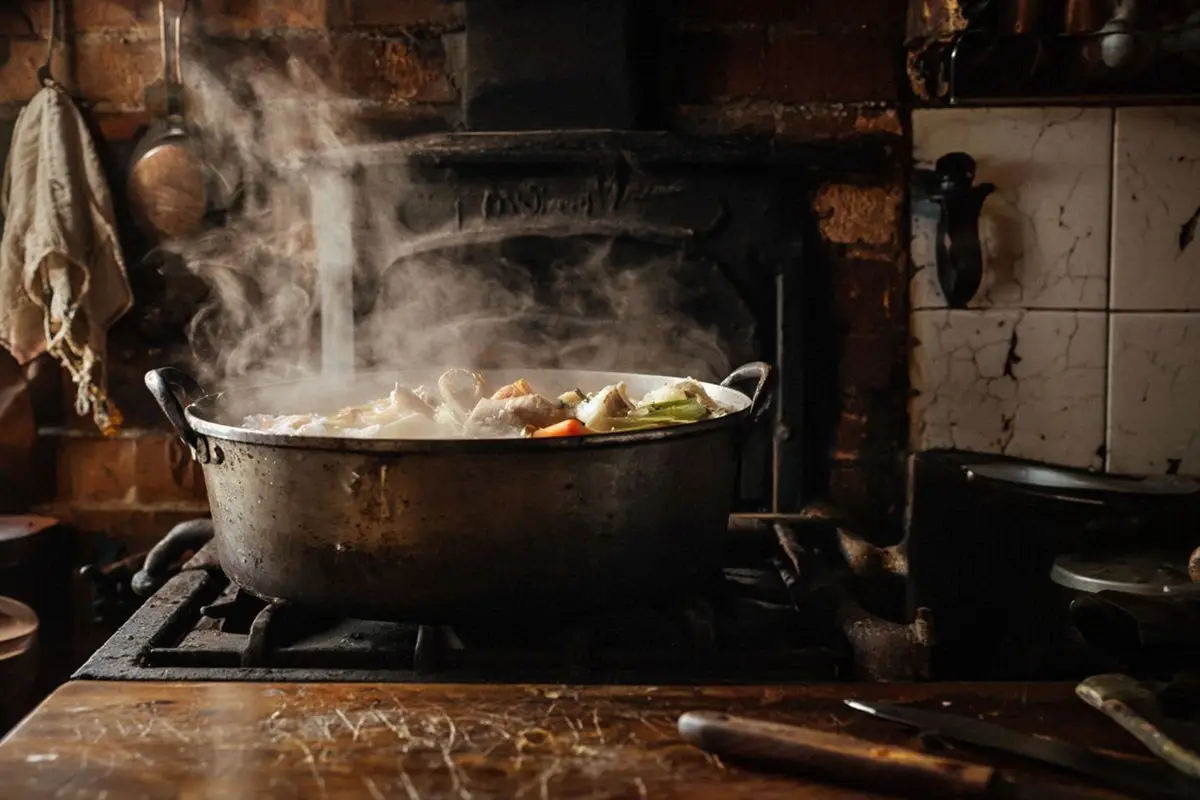
A stock pot running all week was not a wellness trend. It was kitchen economy — extracting every gram of flavor from what most people now throw away.
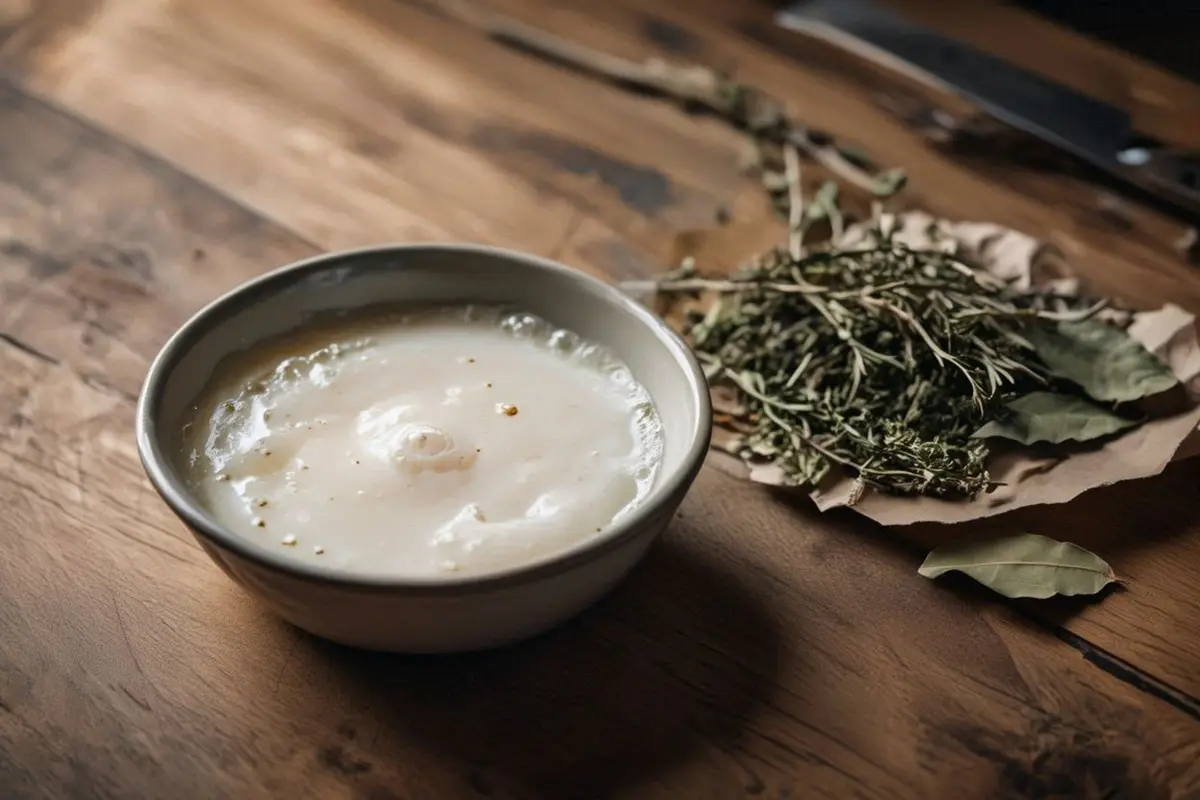
Before vegetable oils, lard was not a shortcut. It was a precision ingredient with specific functions that modern substitutes still cannot fully replicate.
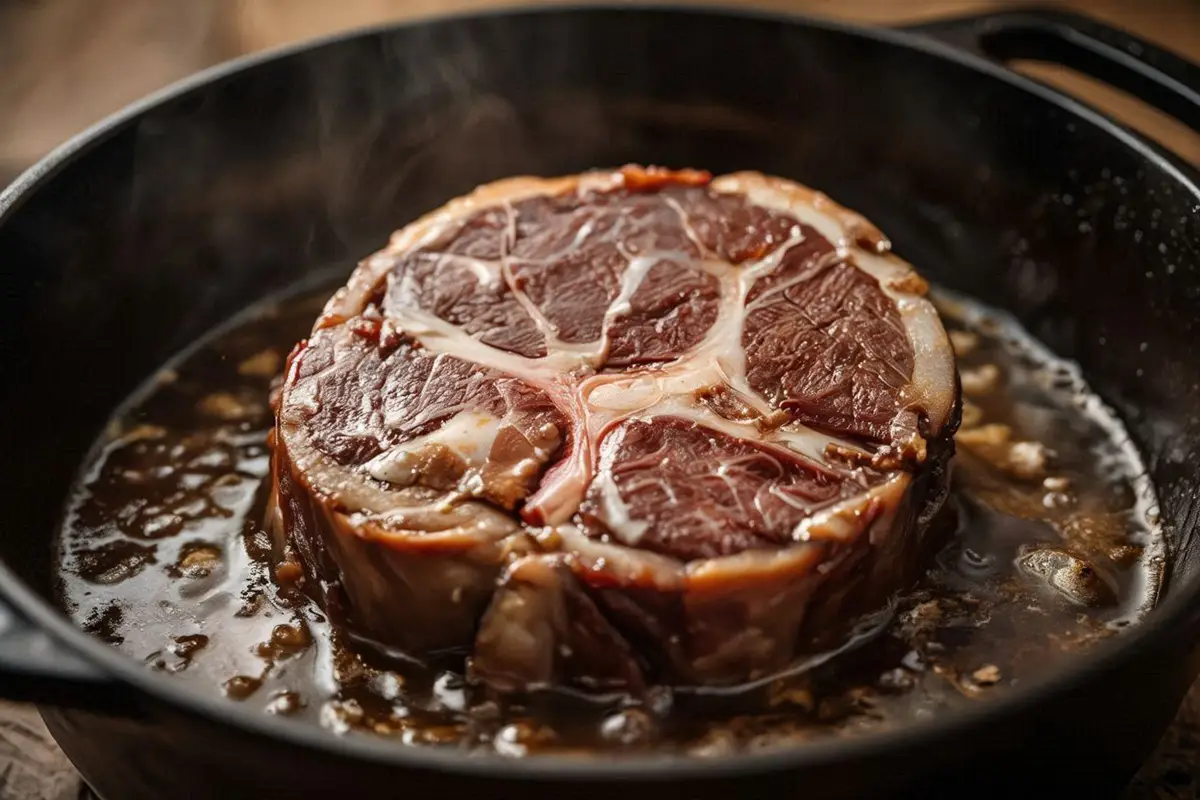
Old recipes chose the right cuts and temperatures before food science explained why. The answer is collagen — and what heat does to it.
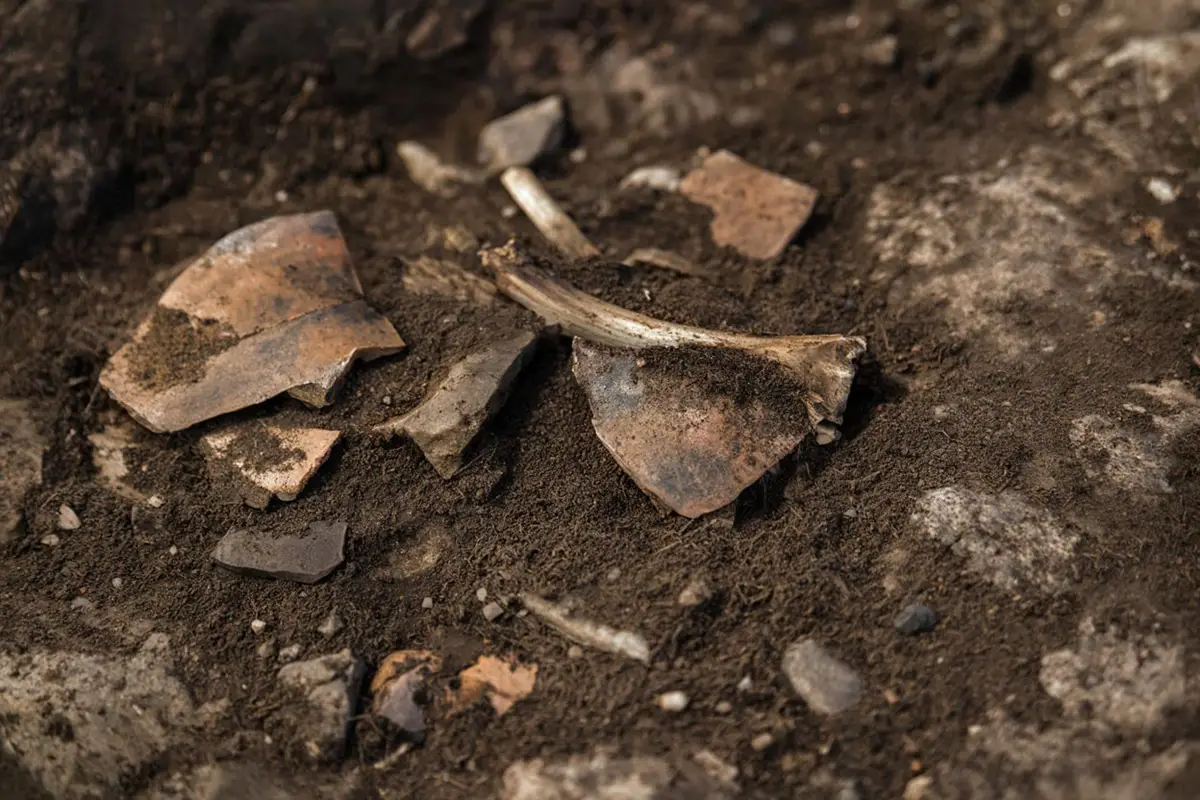
Bones, teeth, and ancient cooking vessels reveal a diet that looks nothing like what we assume. Here is what the evidence actually shows — and what it does not.
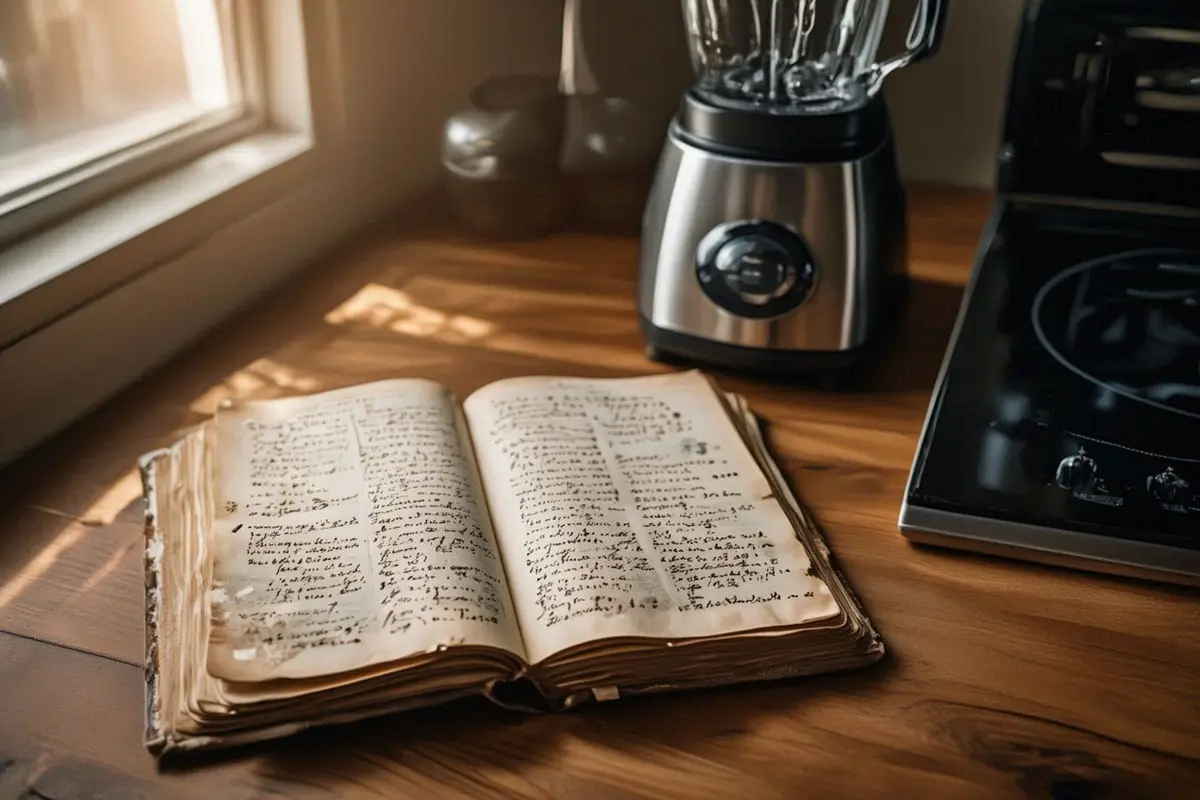
Early 20th-century cookbooks were practical manuals shaped by scarcity and ingenuity — and the techniques they documented still hold up in modern kitchens.
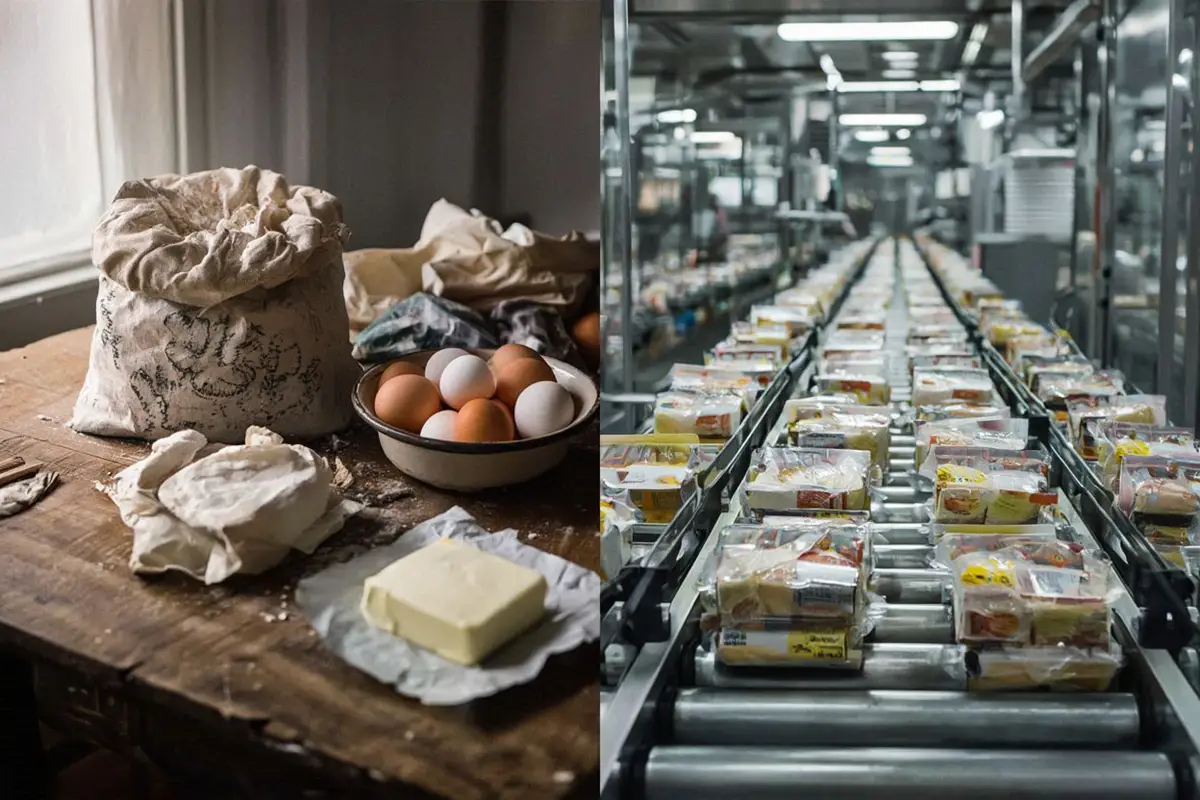
Between 1900 and 1980, the food supply changed more than in the previous thousand years. Here is what changed, how it happened, and what the evidence shows.
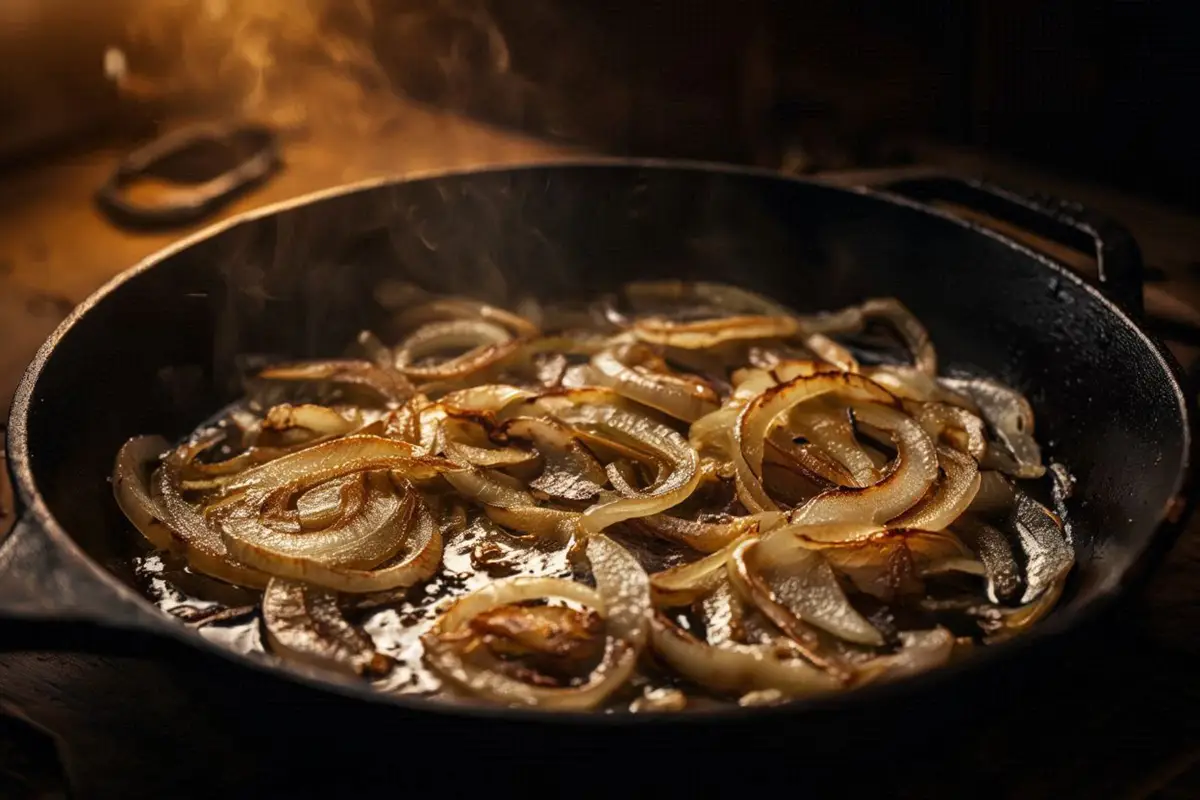
Almost every old savory recipe begins the same way: onion, cooked in fat, before anything else. This is not habit or tradition. It is chemistry — and it works.
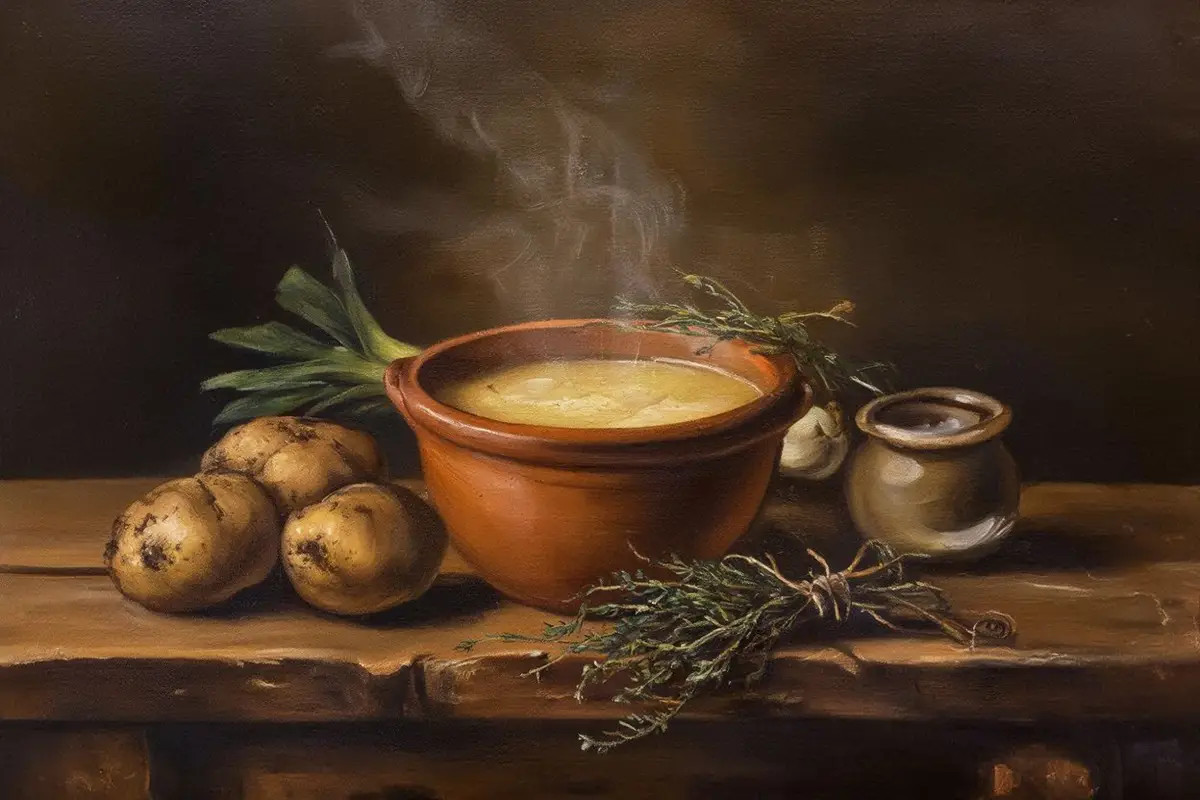
How a French pharmacist turned a prison food into Europe's most important crop — and why his story still matters in the kitchen.