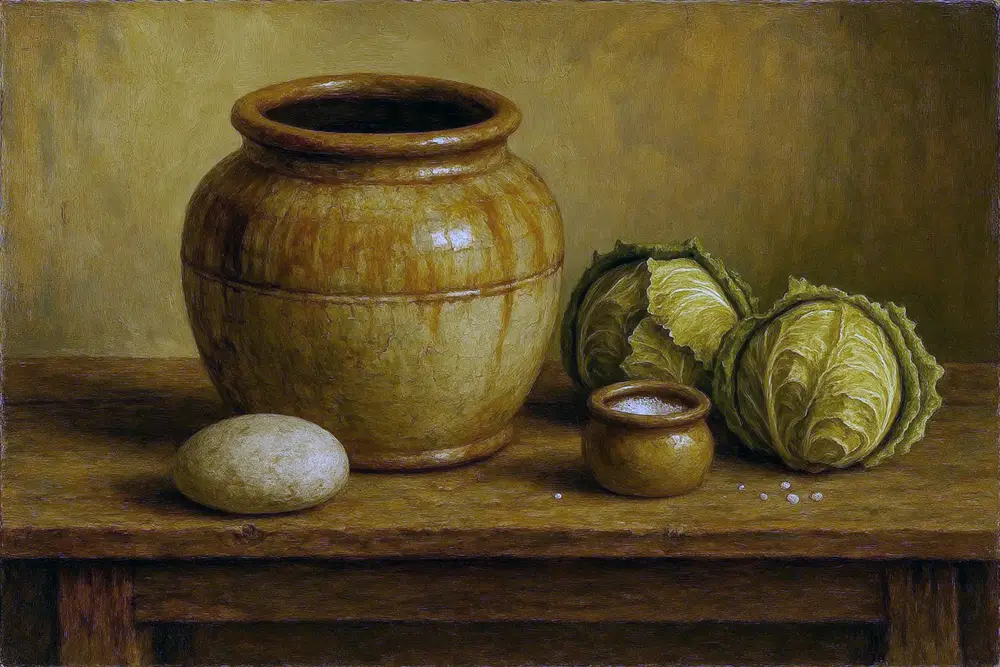
Salt, Time, and Cabbage: How Lacto-Fermentation Works
Lacto-fermented cabbage needs no starter, no vinegar, no heat. Just salt at the right ratio, pressure, and time. Here is the science behind why it works.
The Attic Recipes Blog
Ingredient guides, cooking techniques, and food history.
Lacto-fermented cabbage needs no starter, no vinegar, no heat. Just salt at the right ratio, pressure, and time. Here is the science behind why it works.
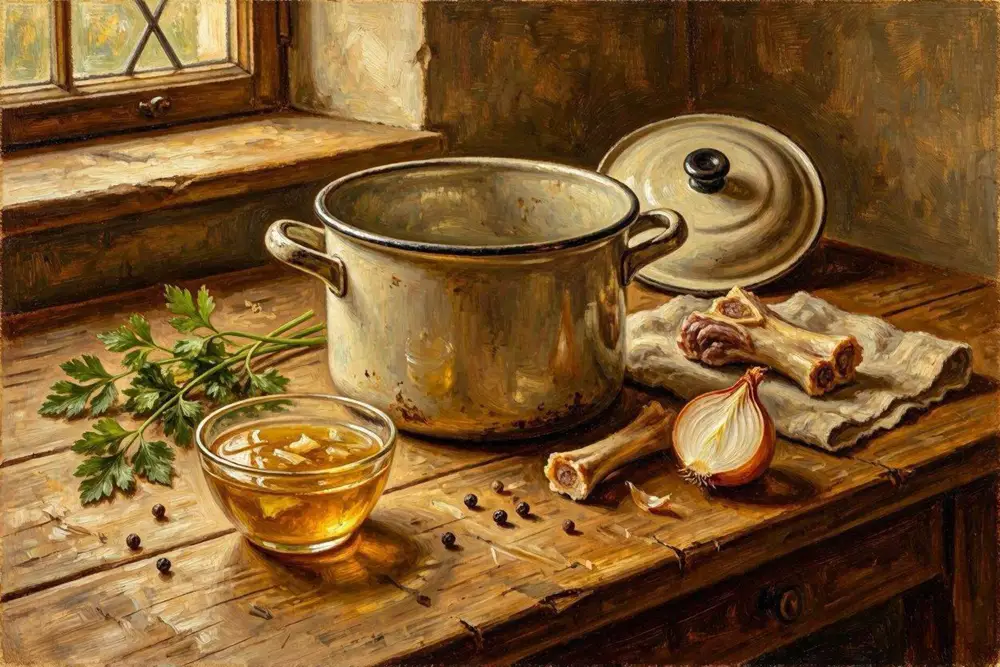
How early 20th century cooks made clarified meat jelly from scratch — the bones, the patience, and the linen-straining method that made it work.
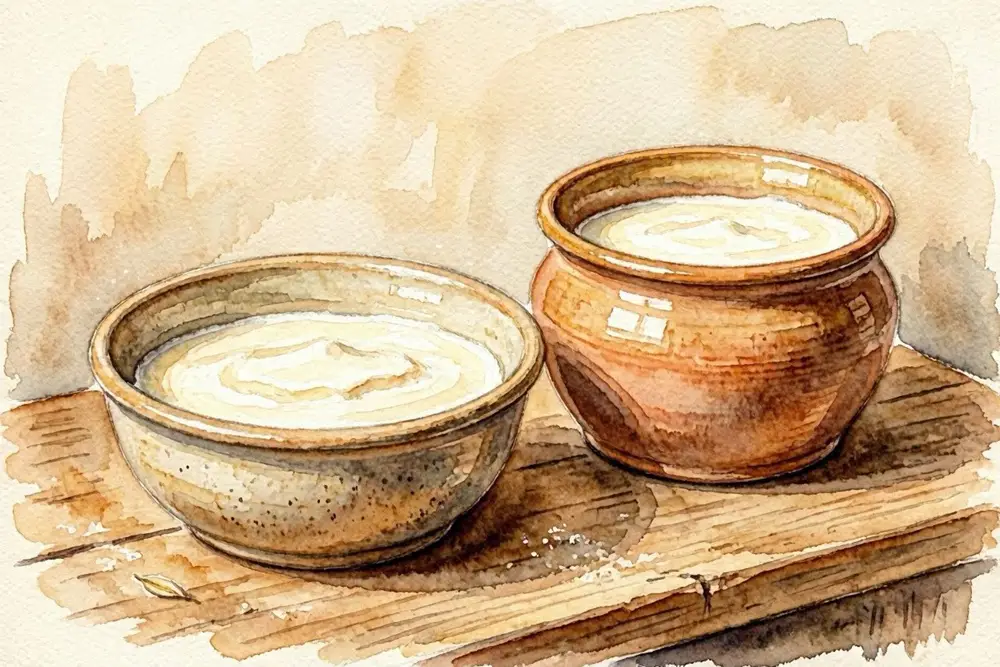
How Central European home cooks used mesophilic fermentation to preserve dairy — the living science behind kajmak and traditionally soured milk.
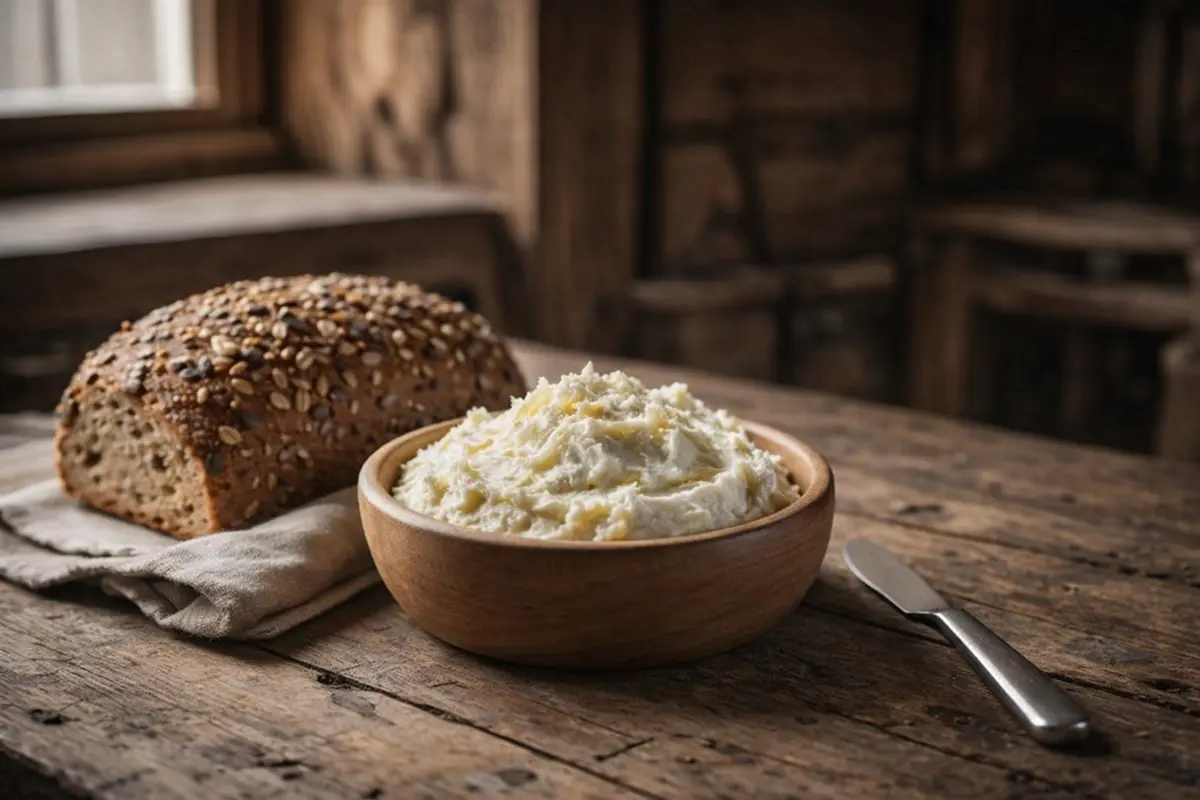
What kajmak is, how it is made, why salt and fat work as natural preservatives, and how to source or substitute it in your kitchen today.
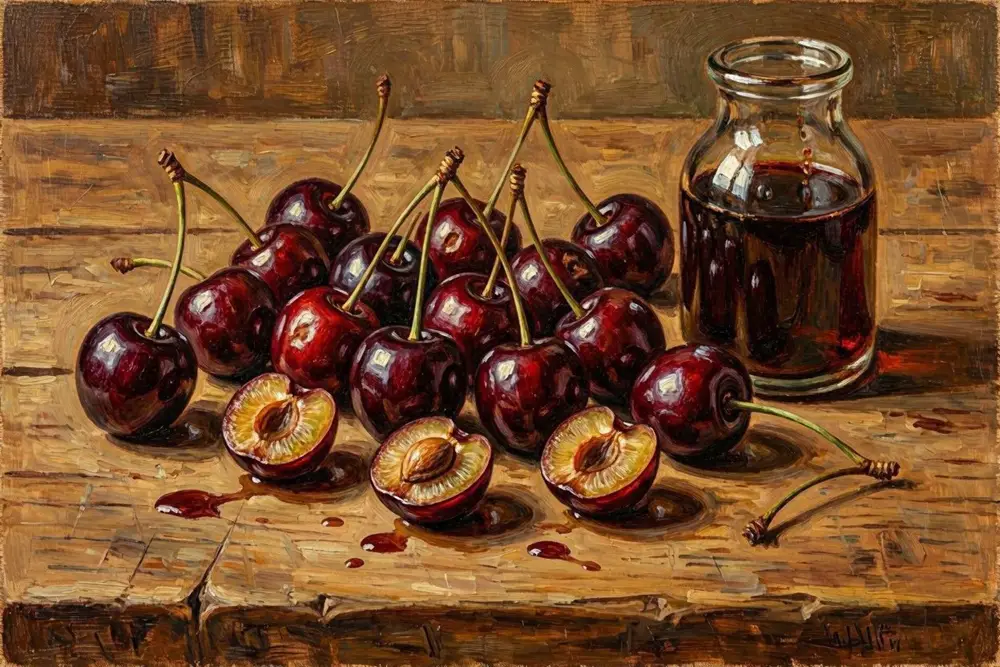
Cherry pits carry a faint almond scent prized by old cooks, but that fragrance comes from a compound with real safety considerations.
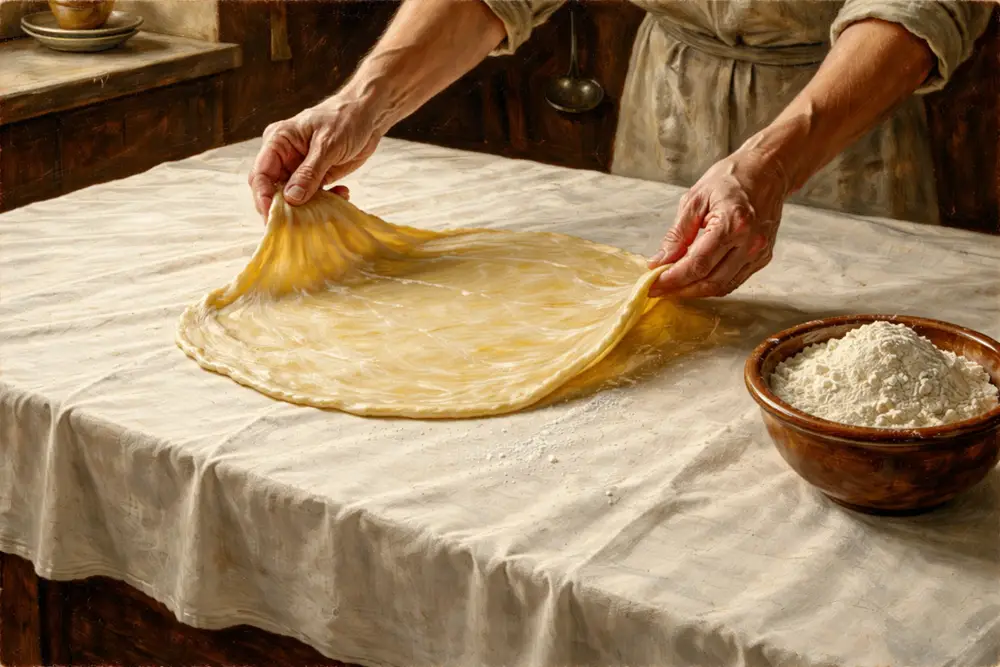
A look at the traditional technique of hand-stretching pastry dough over a tablecloth, including the dough, the rest period, and the stretch itself.

A small urban garden, a handful of hardy herbs, and what it means to grow food when summers keep getting hotter.
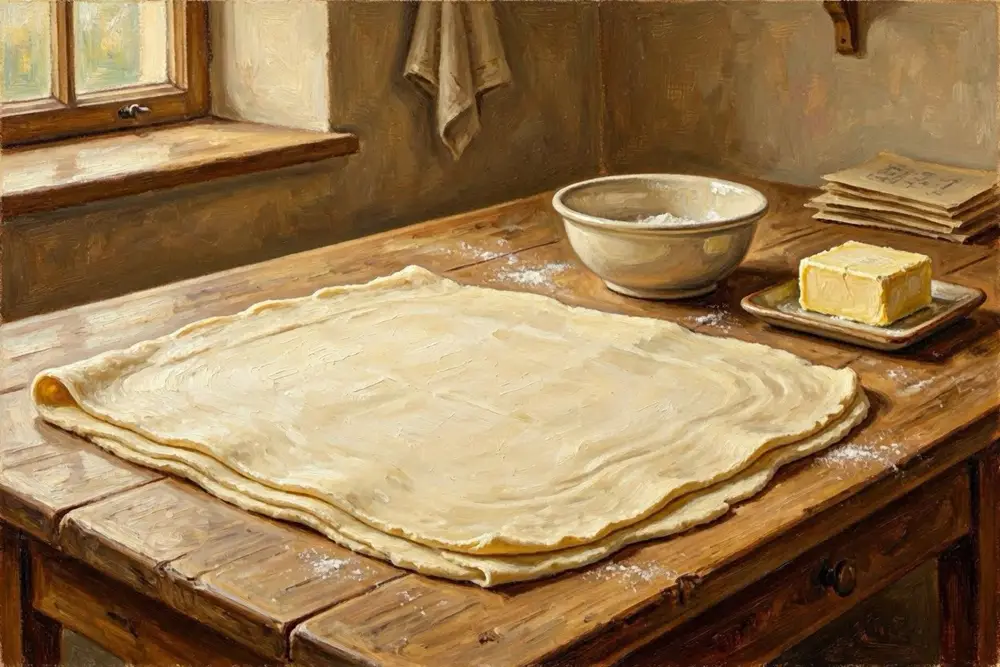
How to make rough puff pastry the old way — layered by hand, rested in stages, baked flat. The technique behind the Central European šaumpita.

Before refrigeration, home cooks used rapid heat and a resin seal to keep unfermented grape must sweet for years. Here is how the technique worked.