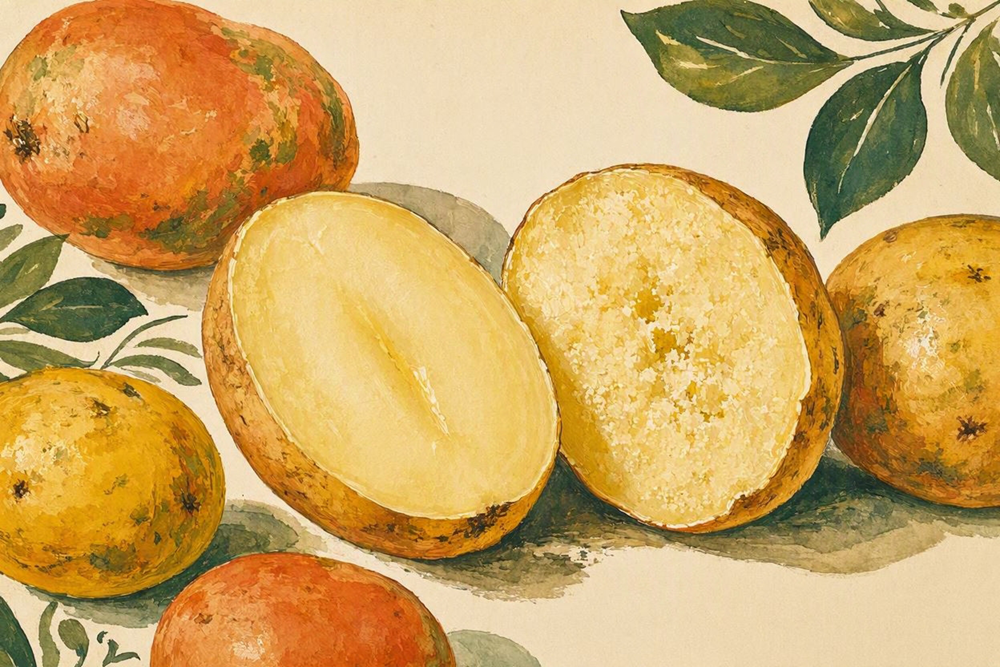
Waxy vs. Floury Potatoes: Choosing the Right One for Potato Salad
The starch difference between waxy and floury potatoes decides whether a potato salad holds together or turns to mush — here's how to tell them apart.
The Attic Recipes Blog
Ingredient guides, cooking techniques, and food history.
The starch difference between waxy and floury potatoes decides whether a potato salad holds together or turns to mush — here's how to tell them apart.
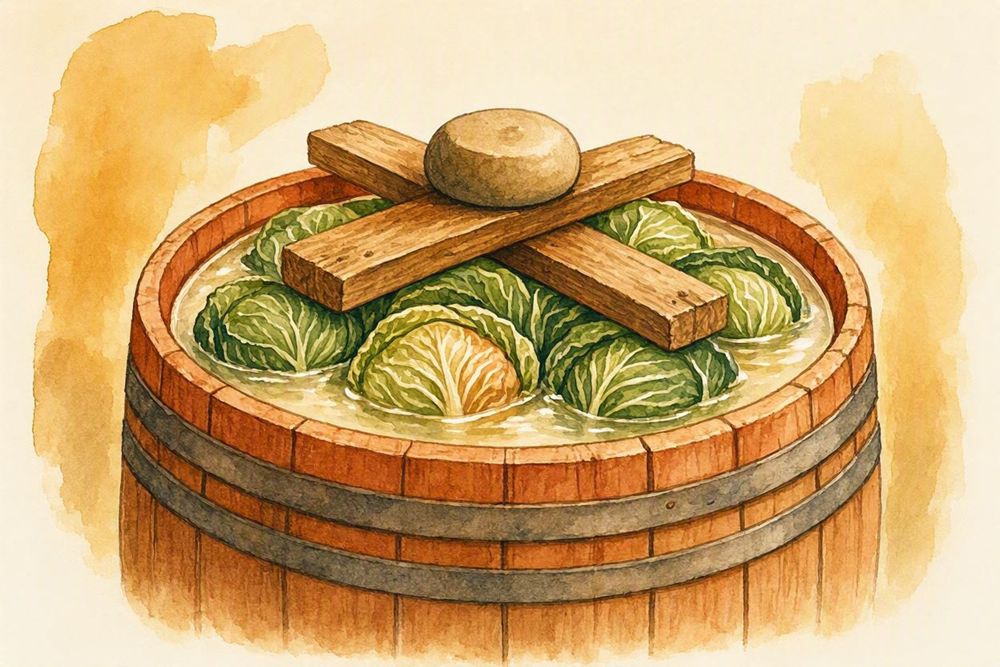
How Central European households fermented whole cabbage heads in barrels — salt ratios, weighting, and the routine that kept it from spoiling.
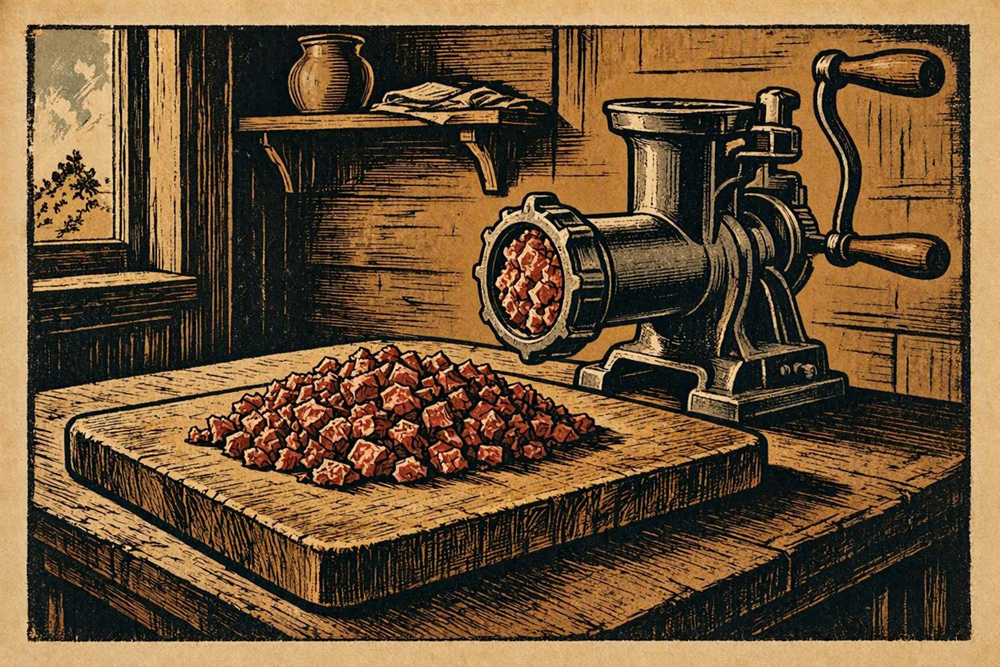
Hand-chopped meat behaves differently than machine-ground in soups, stews, and fillings. Here's why texture, moisture, and cooking method matter.
The starch difference between waxy and floury potatoes decides whether a potato salad holds together or turns to mush — here's how to tell them apart.
How Central European households fermented whole cabbage heads in barrels — salt ratios, weighting, and the routine that kept it from spoiling.
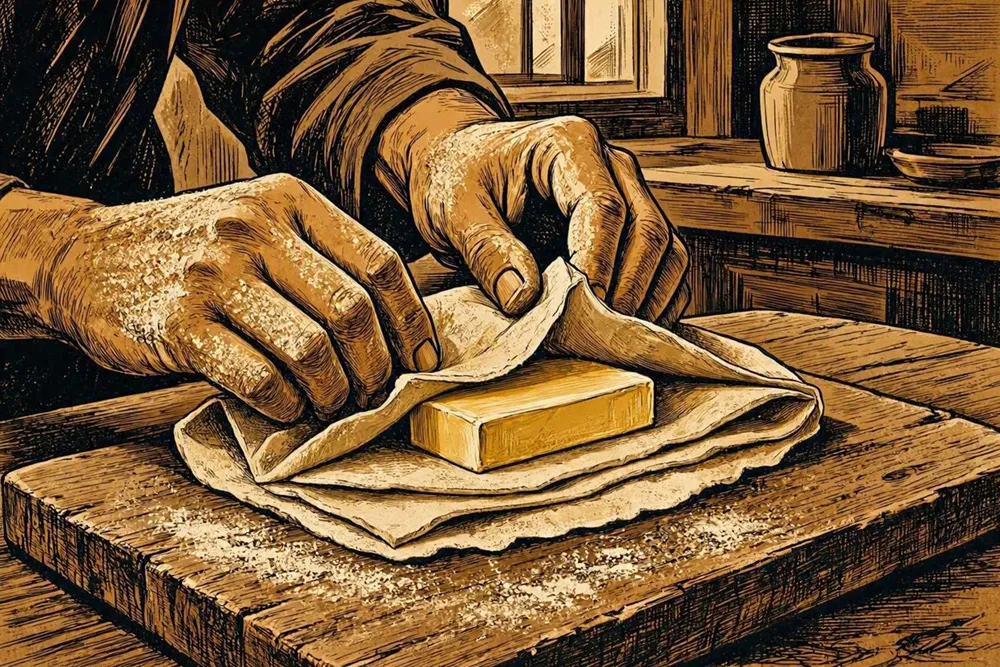
Two early Central European ways to make puff pastry at home: buttertajh and butterteig compared, with folding steps, rules, and common mistakes.
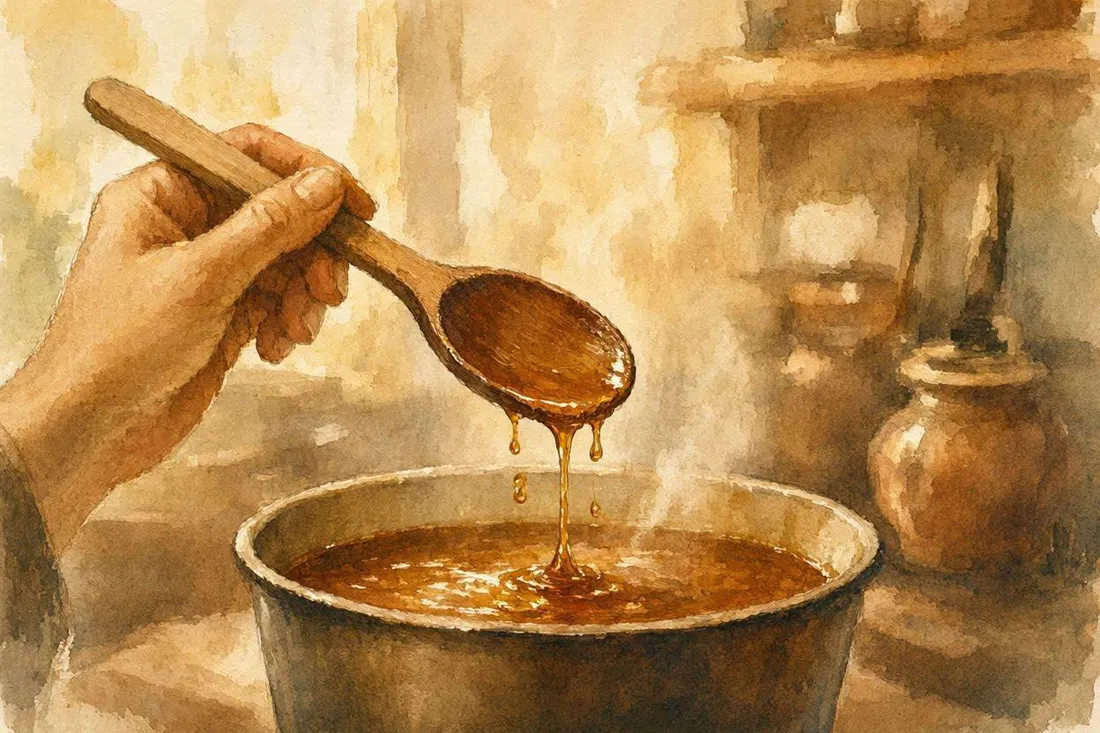
Long before candy thermometers, cooks read sugar syrup by hand — a spoon drip, a wire loop, a soaking test. Here's what each one was really measuring.
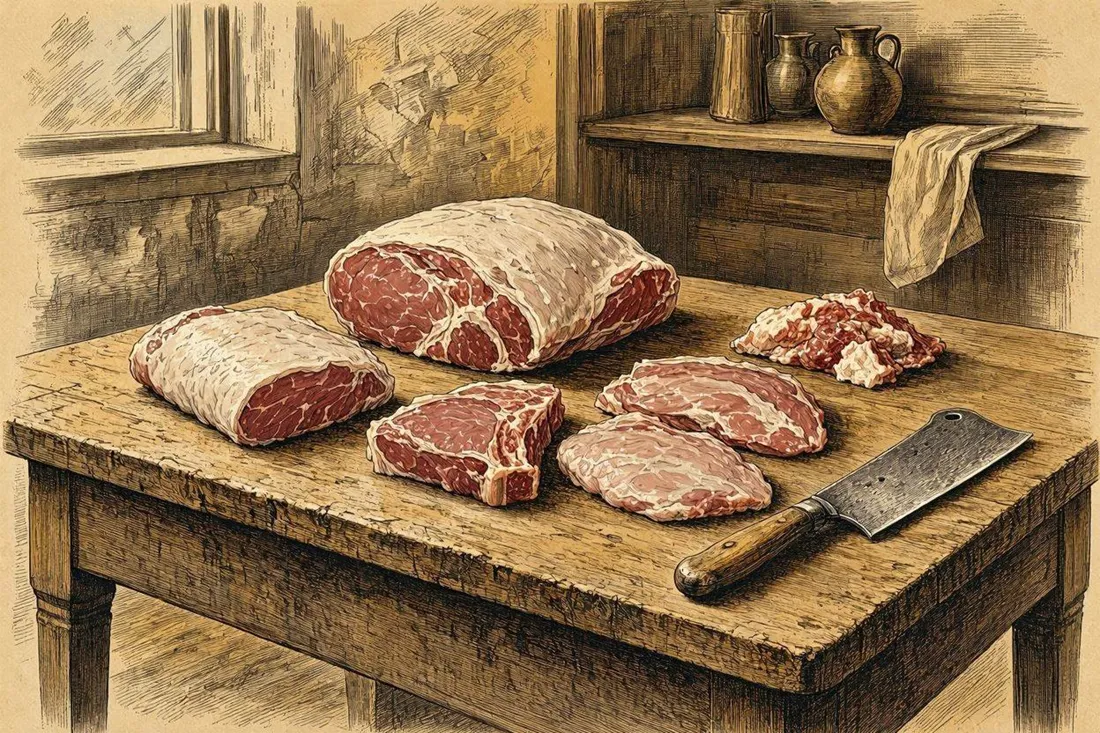
A guide to the 12 traditional veal cuts, what each was used for, and how period quality grading worked — with a labeled diagram.
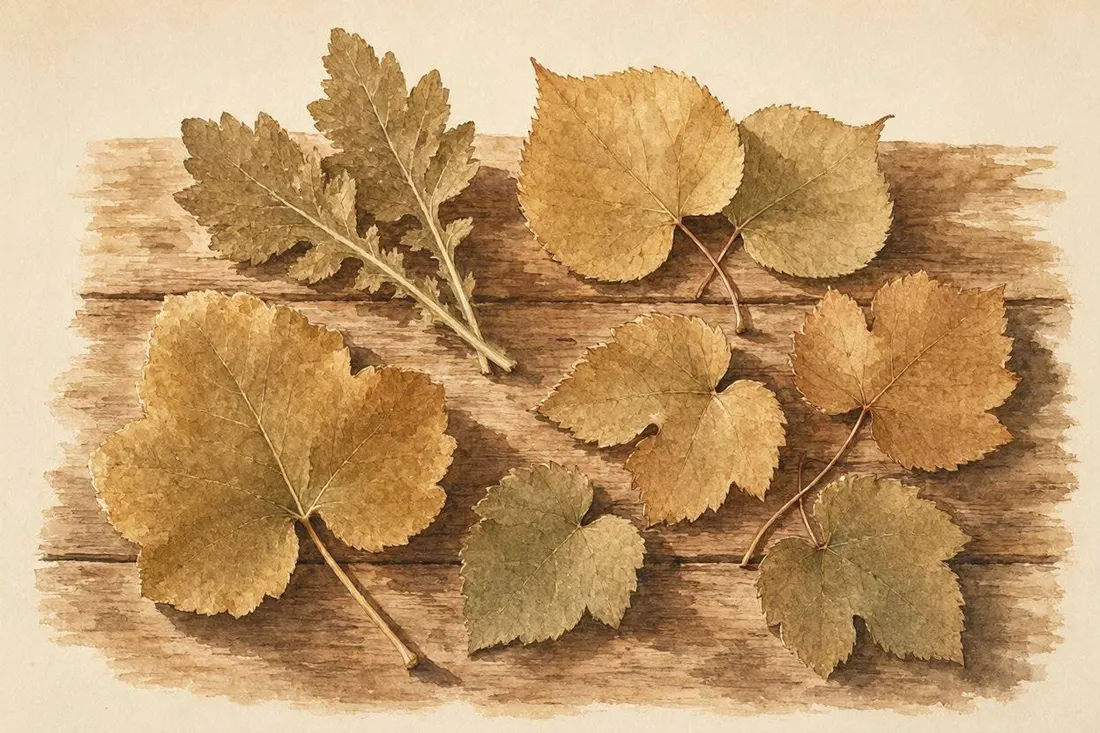
Cabbage and grape leaves aren't the only wrappers for sarma — linden, horseradish, and a few other garden leaves have their own place in the kitchen.
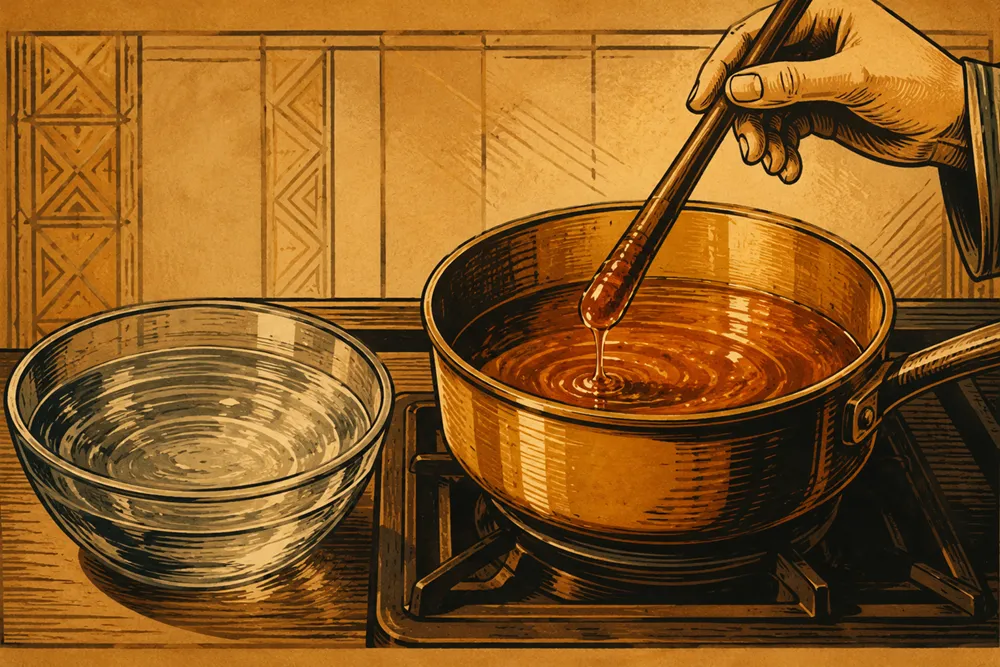
Before candy thermometers, cooks tested sugar syrup by hand. Here's what the cold-water test measures and why it decided whether candied fruit held its shine.
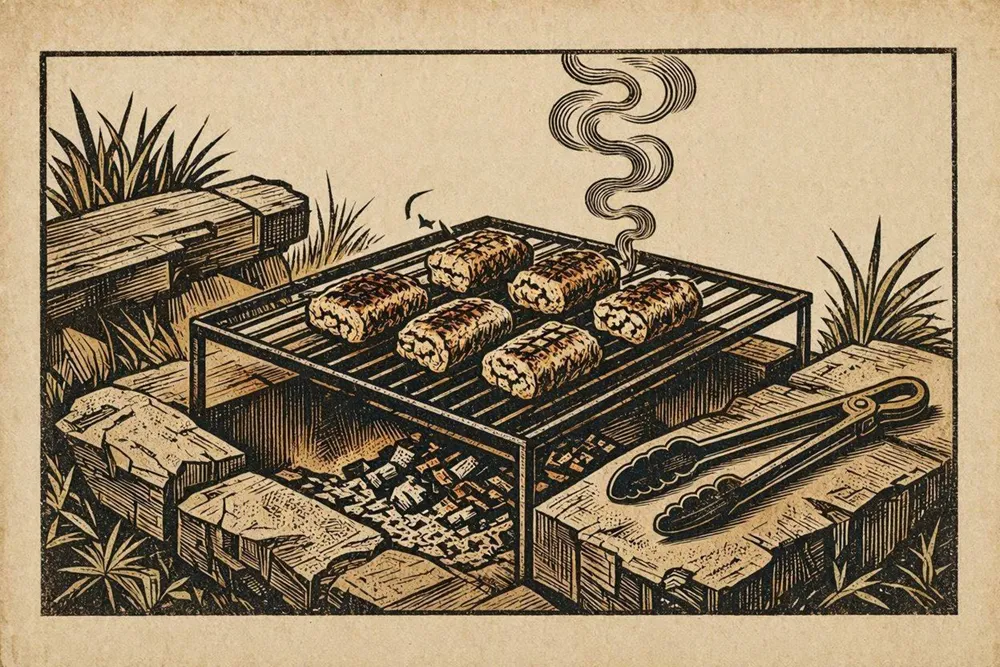
Where grilled minced meat rolls trace back to, how the name traces to Ottoman-era Turkish, and why the dish varies across southeastern Europe.