Rye Bread Kvass
A naturally fermented, lightly sparkling drink made from dried rye bread, yeast, sugar, and lemon, bottled and left to carbonate for a couple of days.
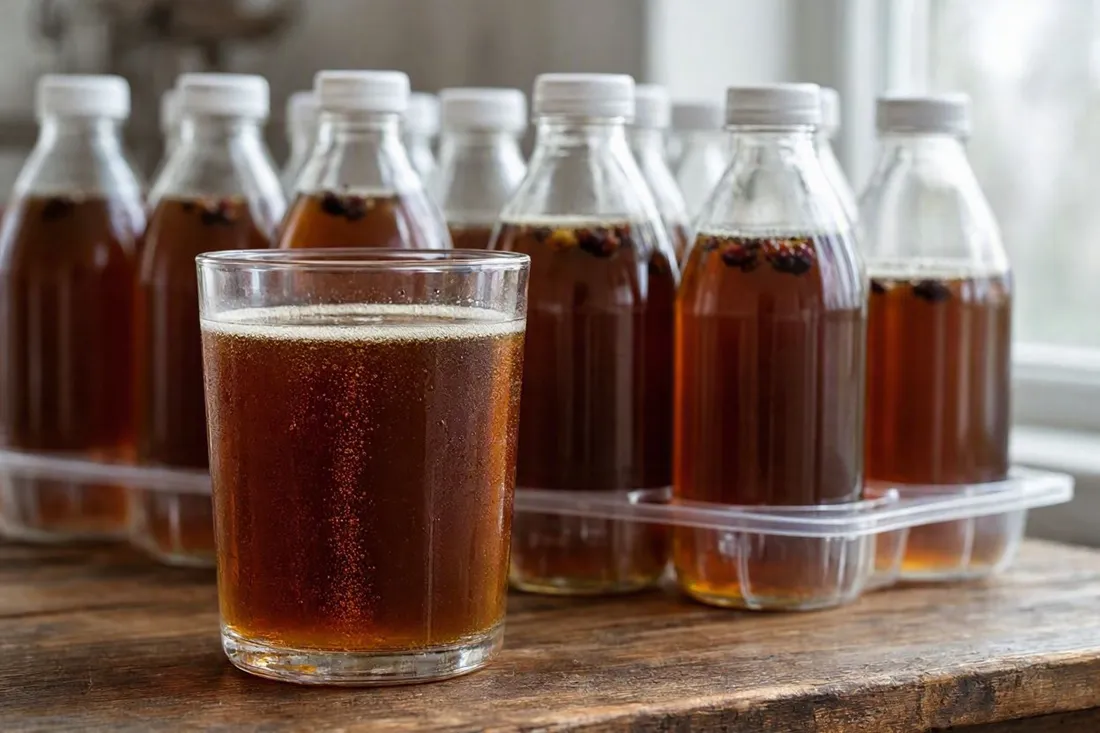
Quick Summary
This fermented drink turns dried rye bread into a lightly sparkling, mildly sweet beverage. Steeped in stages with yeast, sugar, and lemon, then bottled with a couple of raisins to build natural carbonation, it's ready to drink after two to three days in a cool spot.
Historical recipe
Modernised adaptation of an early 20th‑century source. Not independently kitchen-tested by Attic Recipes. Quantities, temperatures, and food safety guidance have been updated for a contemporary kitchen — results may vary and errors may exist. Nutritional values, where provided, are estimates only and have not been laboratory tested. Always follow current food safety guidelines for your region. If you have a health condition, allergy, or dietary requirement, consult a qualified professional before preparing this recipe.
Use of this recipe is entirely at your own risk and subject to our Terms of Service and Privacy Policy. Attic Recipes accepts no liability for any adverse outcome.
- Gluten
Additional notes
-
Warning
This drink continues to ferment after bottling and builds up carbon dioxide pressure. Use plastic bottles so you can check firmness by squeezing them daily, and release the gas by briefly opening the cap if a bottle feels rock-hard. Store bottles in a tray or container in case of leaks, and keep them away from direct heat.
-
Caution
As with any fermented drink, watch for signs of spoilage - mold, a foul or off smell, or sliminess mean the batch should be discarded rather than consumed.
-
Note
Kvass naturally contains a small amount of alcohol from fermentation, typically low but present. Those who avoid alcohol, are pregnant, or are serving children should take this into account.
- 1
Place the pieces of dried rye bread in a large heatproof container.
- 2
Pour the boiling water over the bread, cover with a thick cloth, and let it stand in a warm spot in the kitchen for 8 hours.
- 3
Pour off the liquid into a second container, leaving the soaked bread behind.
- 4
Add the yeast and sugar to the liquid, and add the sliced lemon.
- 5
Cover and let it stand for another 8 hours.
- 6
Strain the liquid through a fine cloth or cheesecloth into a clean container.
- 7
Pour the strained kvass into plastic bottles, adding 2 raisins to each bottle, and seal tightly.
Tip Plastic bottles are recommended over glass here specifically because they can be squeezed to check the pressure building up inside from fermentation - see the safety note below. - 8
Store the sealed bottles in a cool place such as a cellar or pantry, and check them daily.
Tip Kvass is ready to drink on the second or third day, once it has developed a light natural fizz.
Nutrition Information per 1 glass (approx 250ml)
Nutritional values are approximate estimates and may vary based on specific ingredients used, preparation methods, and portion sizes.
Serving Suggestions
Serve well chilled, straight from the bottle or over ice. A light, mildly sweet and tangy refresher, especially in warm weather.
About This Recipe
Kvass is what happens when stale bread gets a second life instead of getting thrown out. Dried rye bread is steeped in hot water, then fermented in stages with yeast, sugar, and lemon, and finally bottled with a couple of raisins to build a light, natural fizz over the following days. The result is a mildly sweet, faintly tangy drink with a gentle carbonation, somewhere between a soda and a light fermented beverage.
The process takes patience rather than skill - most of the work is simply waiting through two separate steeping periods, then a few more days of quiet fermentation in the bottle. What it does require is attention during that bottling stage, since the drink is still actively fermenting when it’s sealed.
Why It Works
Rye bread carries its own wild yeast and bacteria from baking, and the added commercial yeast gives fermentation a reliable head start on top of that. Steeping the bread first extracts its flavor and some of its natural sugars into the water, and the added sugar afterward gives the yeast plenty of fuel to work with. Once bottled, the fermentation continues at a slower pace, and the carbon dioxide it produces has nowhere to go - which is exactly what builds the drink’s light natural carbonation, and exactly why the bottles need daily attention.
Modern Kitchen Tips
Label your bottles with the date you sealed them, so you know at a glance how many days they’ve been fermenting. If you’re new to bottling fermented drinks, check pressure at least once in the morning and once in the evening for the first couple of days - kvass can carbonate faster in a warm kitchen than in a cool cellar.
A classic of early 20th century home cooking, preserved and adapted for the modern kitchen.
The Story Behind This Recipe
Historical Context
Kvass made from dried bread was a practical way to use up stale rye bread rather than throw it away, relying on a combination of added yeast and the bread's own fermentation to turn sugared, lemon-scented water into a lightly sparkling drink. The two staged steeping periods, and the standard household "kofa" measure for water, were common features of the technique in period kitchens.
Modern Kitchen Adaptation
This recipe has been scaled down to about half of the traditional household proportions, resulting in a more manageable batch for a modern kitchen. If you'd like to make a larger batch closer to the original size, the site's built-in serving calculator can scale the ingredient list up. A "kofa" is taken here as 5 liters. Because the bottled kvass continues to ferment and build carbonation, plastic bottles are recommended instead of glass - they let you check the pressure by squeezing the bottle, and should be "burped" (briefly opened to release gas) if they feel rock-hard, to reduce the risk of a bottle bursting. Keep bottles in a tray or container in case of leaks, away from direct heat, and check them daily during the fermentation period.
This recipe is an independent modern adaptation developed from historical sources in the public domain. It is provided for informational and educational purposes only and does not constitute professional dietary, nutritional, or medical advice. Food preparation involves inherent risks. The reader assumes full responsibility for safe food handling, ingredient sourcing, and adherence to current local food safety guidelines. The site operator accepts no liability for outcomes resulting from the preparation or consumption of this recipe.
One recipe.
Every week.
You Might Also Like
More recipes you'll enjoy
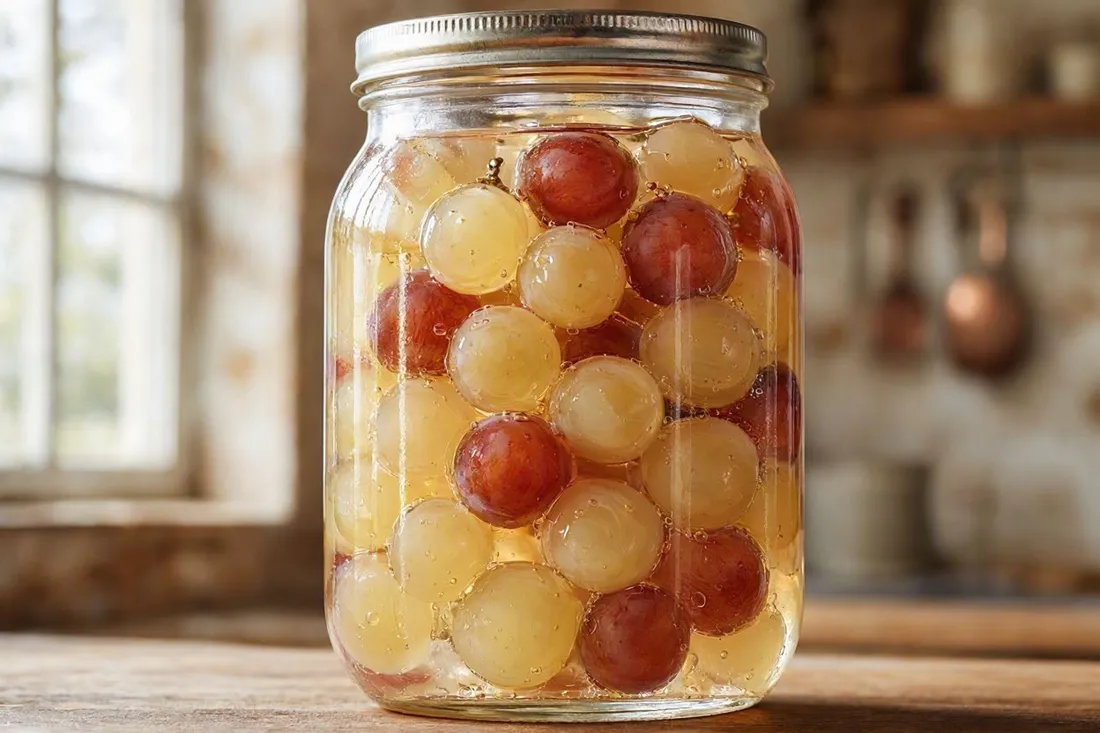
Grape Compote in Syrup
Small clusters of grapes are packed into jars and covered with a light sugar syrup, then home-canned for a stable preserve to enjoy through the colder months.
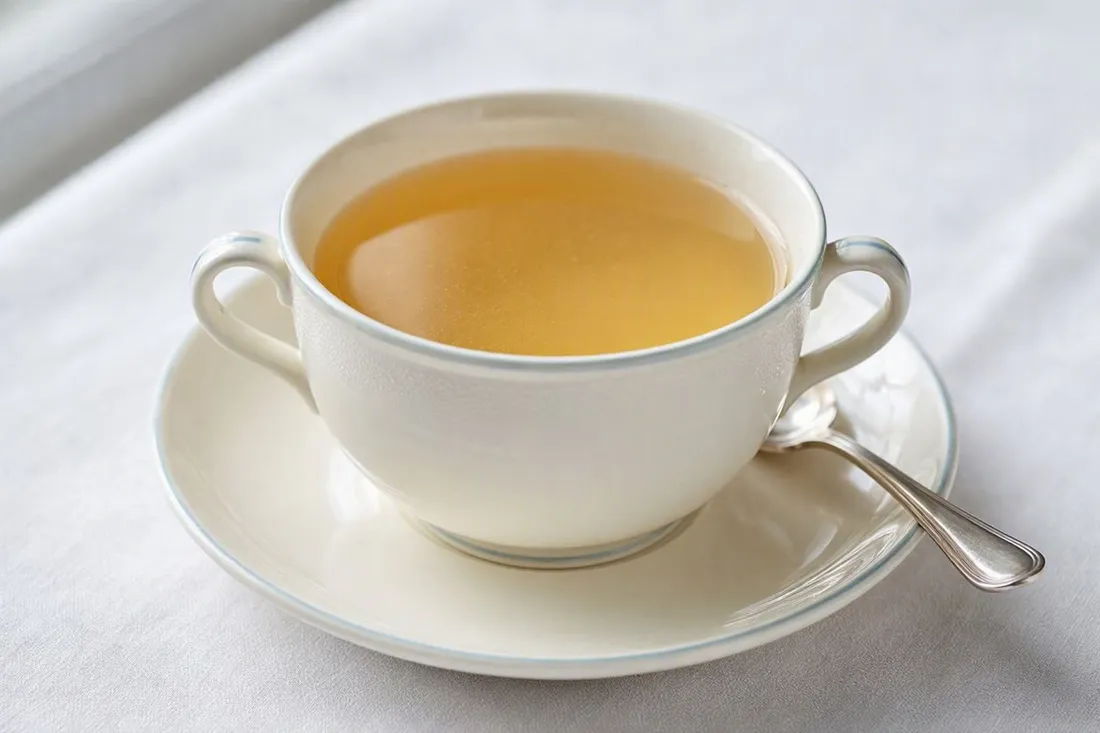
Cold Beef Consommé
A fully clarified beef and chicken broth, simmered for hours and clarified with egg whites, then served ice-cold in cups without any garnish.
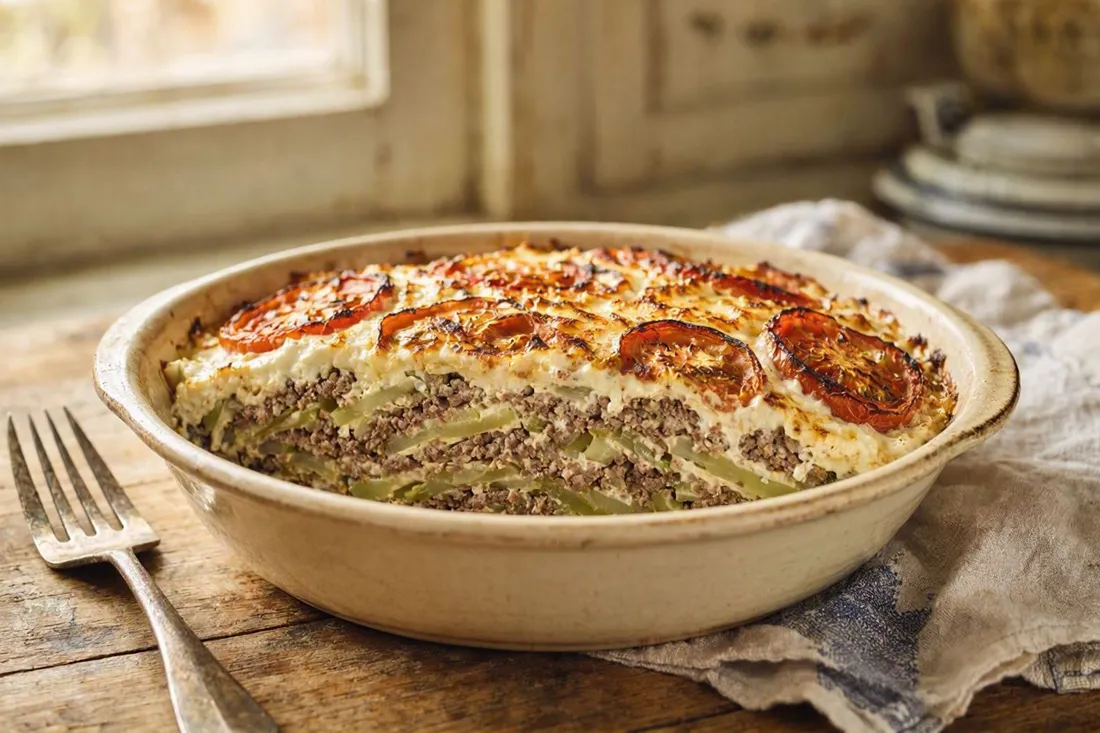
Kohlrabi and Veal Musaka
A layered casserole of braised kohlrabi and seasoned ground veal, baked under sour cream and tomato - a comforting vintage Central European dish.