Meringue Grape Cake Squares
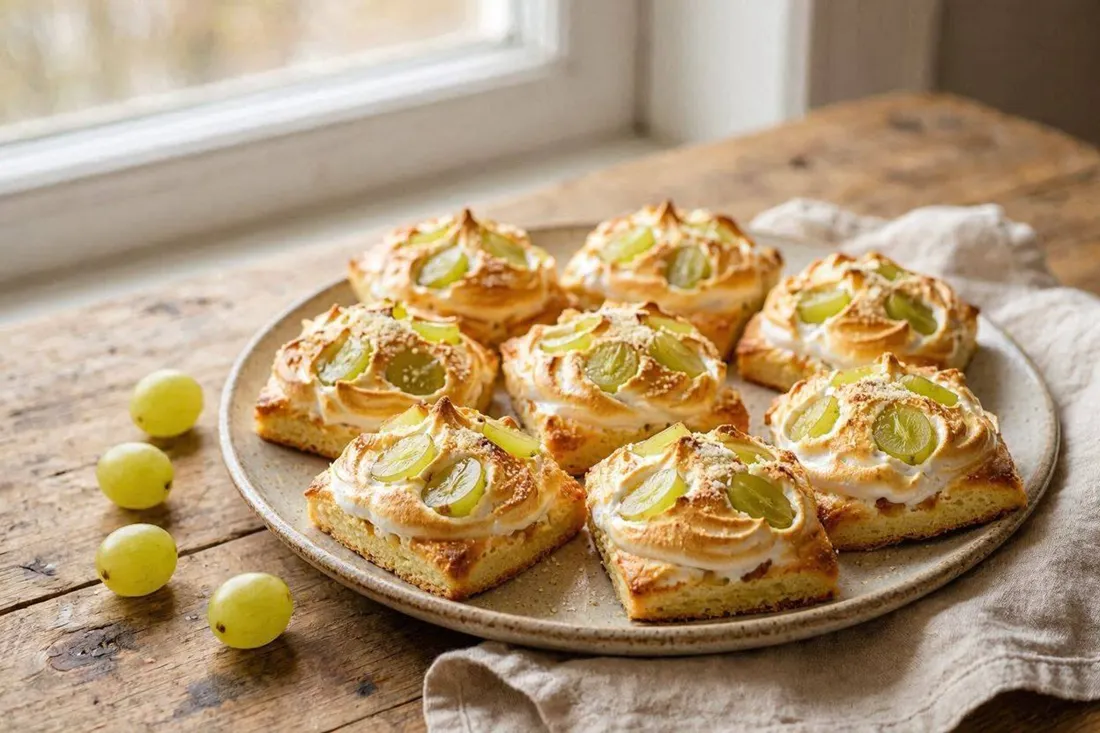
A butter cake base spread with apricot jam, topped with sweetened meringue and grapes, baked until golden and cut into squares.
Quick Summary
A butter cake base, pre-baked and spread with apricot jam, topped with sweetened meringue and whole grapes, then baked again until golden. About an hour and ten minutes total. Cut into small squares and dusted with vanilla sugar to serve.
Historical recipe
Modernised adaptation of an early 20th‑century source. Not independently kitchen-tested by Attic Recipes. Quantities, temperatures, and food safety guidance have been updated for a contemporary kitchen — results may vary and errors may exist. Nutritional values, where provided, are estimates only and have not been laboratory tested. Always follow current food safety guidelines for your region. If you have a health condition, allergy, or dietary requirement, consult a qualified professional before preparing this recipe.
Use of this recipe is entirely at your own risk and subject to our Terms of Service and Privacy Policy. Attic Recipes accepts no liability for any adverse outcome.
- Eggs
- Dairy
- Gluten
Additional notes
-
Caution
The topping is a raw egg white meringue that finishes cooking during the second bake. Make sure it's fully baked through — golden and set, not glossy or wet — before serving, especially for pregnant women, young children, the elderly, and anyone immunocompromised.
- 1
Beat the butter until foamy with the egg yolks and the sugar for the base, until light and well combined.
- 2
Fold in the flour and lemon zest at the end, mixing just until combined.
- 3
Spread the dough evenly into a greased and lined 20x30cm baking pan.
- 4
Bake at the higher oven temperature for 10-12 minutes — this is a brief pre-bake, not the full bake. The base should be just set, not fully golden.
- 5
Remove from the oven and spread the warm base evenly with the apricot jam.
- 6
Whip the egg whites with the cream of tartar until foamy. Gradually add the sugar for the meringue, continuing to whip to stiff, glossy peaks.
- 7
Spread the meringue evenly over the jam-covered base.
- 8
Arrange the grapes over the meringue.
- 9
Return to the oven at the lower temperature and bake for 20-25 minutes, until the meringue is set and lightly golden and the grapes have softened slightly.
Tip Check that the meringue is fully baked through — golden and set, not glossy or wet in the center — before removing from the oven. - 10
Let cool completely in the pan, then cut into small square pieces.
- 11
Dust with the vanilla sugar before serving.
Nutrition Information per 1 piece (approx 55g)
Nutritional values are approximate estimates and may vary based on specific ingredients used, preparation methods, and portion sizes.
Serving Suggestions
Best served the day they're made, while the meringue is still light. Store any leftovers loosely covered at room temperature, as refrigeration can make the meringue weep.
About This Recipe
This is a layered cake built in two separate bakes: a butter cake base goes into the oven just long enough to set, gets spread with apricot jam while still warm, then carries a sweetened meringue studded with whole grapes back into the oven for a longer second bake. The grapes soften and release a little of their juice into the meringue as it sets, rather than staying raw on top.
Named for someone whose recipe this apparently was, it’s the kind of layered, multi-stage dessert that turns a simple butter cake into something closer to a composed pastry.
Why It Works
Pre-baking the base briefly before adding the jam and meringue keeps it from turning soggy under the wet toppings during the longer second bake. Using a fragrant, muscat-type grape rather than a neutral variety means the fruit actually contributes flavor to the finished dessert, not just texture — the grapes’ natural perfume comes through even after baking.
Modern Kitchen Tips
Spread the jam while the base is still warm from its first bake — it spreads much more easily than once it’s fully cooled. Watch the meringue in the final minutes of baking; grape juice released during baking can make the center take slightly longer to set than the edges.
A classic of early 20th century home cooking, preserved and adapted for the modern kitchen.
The Story Behind This Recipe
Historical Context
Home cooks of the period built this dessert in stages: a simple butter cake base, briefly pre-baked, then layered with apricot jam, a sweetened meringue, and whole grapes from a fragrant variety before a second, longer bake. The grapes were meant to soften slightly under the meringue rather than roast fully.
Modern Kitchen Adaptation
The amount of sugar for the meringue, the apricot jam, the grapes, the vanilla sugar for dusting, and the pan size were not specified precisely and have been estimated for a standard tray-sized batch. A stabilizer — cream of tartar or a few drops of lemon juice — has been added to the meringue, which the traditional method didn't call for; this helps the beaten egg whites hold their structure through the second bake. The oven temperature and timing were not given beyond 'bake until done' and have been set as a two-stage bake: a hotter, brief pre-bake for the base, followed by a gentler bake once the meringue and grapes are added, so the meringue doesn't brown too quickly before the base finishes cooking through.
This recipe is an independent modern adaptation developed from historical sources in the public domain. It is provided for informational and educational purposes only and does not constitute professional dietary, nutritional, or medical advice. Food preparation involves inherent risks. The reader assumes full responsibility for safe food handling, ingredient sourcing, and adherence to current local food safety guidelines. The site operator accepts no liability for outcomes resulting from the preparation or consumption of this recipe.
One recipe.
Every week.
You Might Also Like
More recipes you'll enjoy
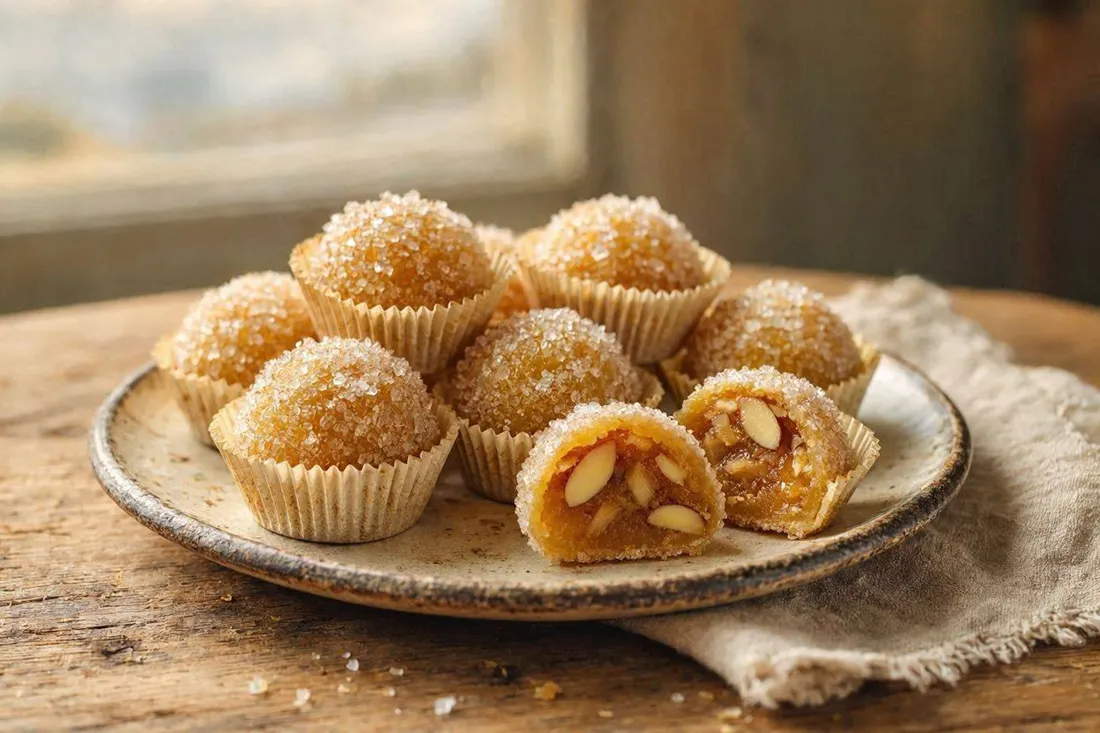
Apple and Orange Bonbons
Grated tart apple cooked with sugar and orange until thick, mixed with sliced almonds, shaped into bonbons, and rolled in crystal sugar.
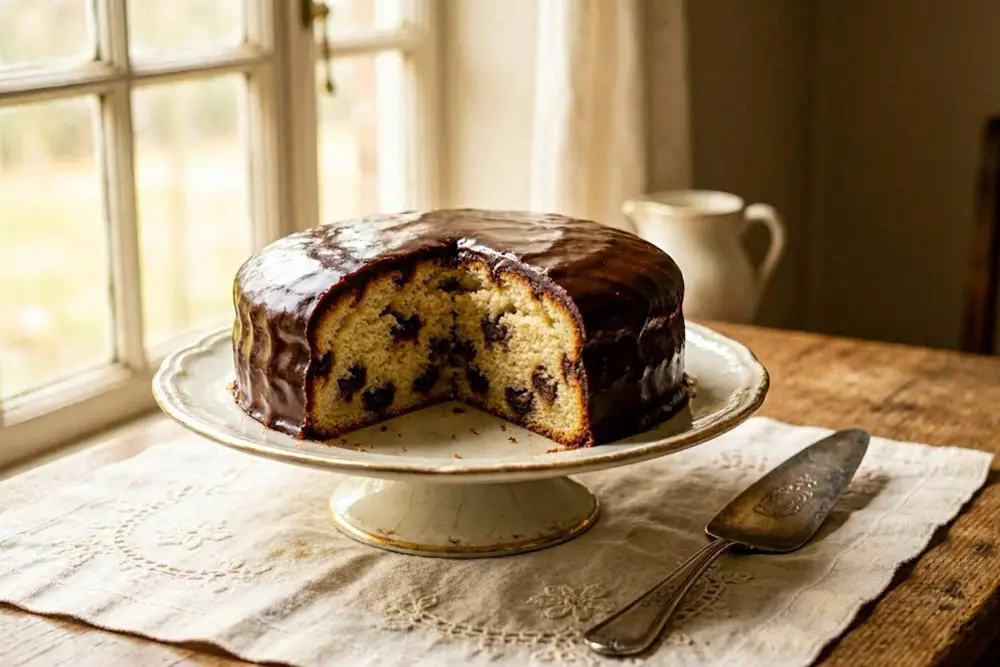
Snow Cake with Chocolate
Flourless almond meringue cake with dark chocolate, candied orange peel, and a poured chocolate glaze — light as snow, rich as the season.
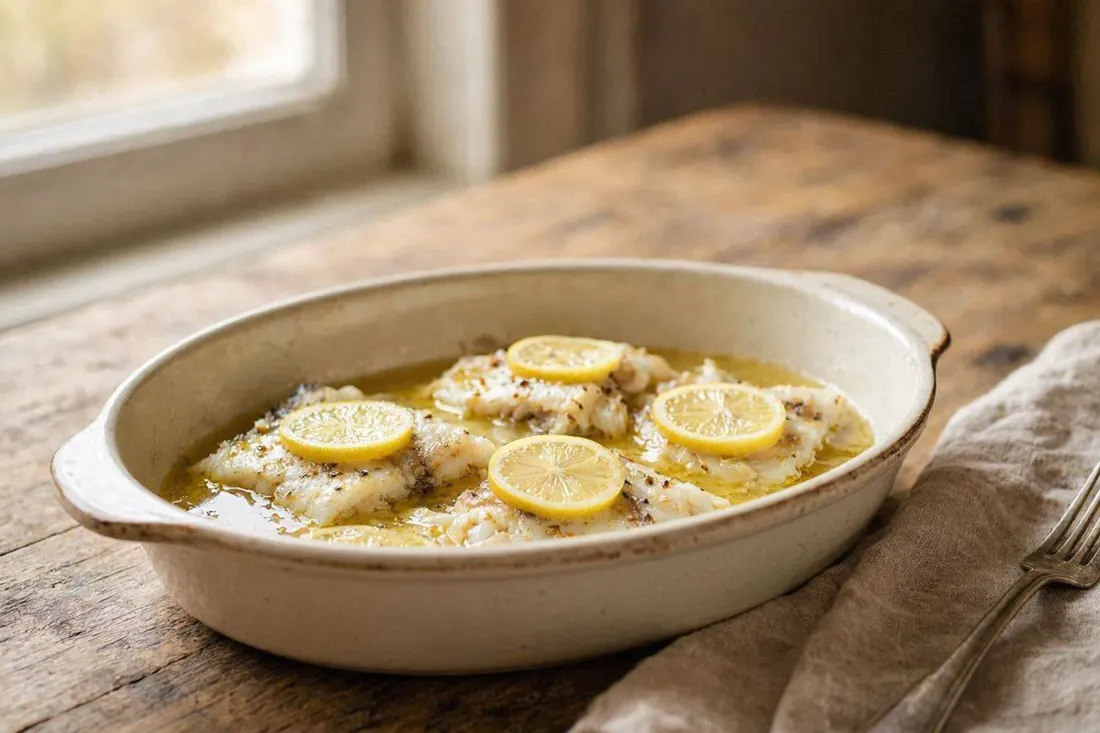
Baked Sea Fish in White Wine
Firm white sea fish baked covered in white wine with butter, lemon slices, and lemon zest until just cooked through.