Lenten Royal Cake
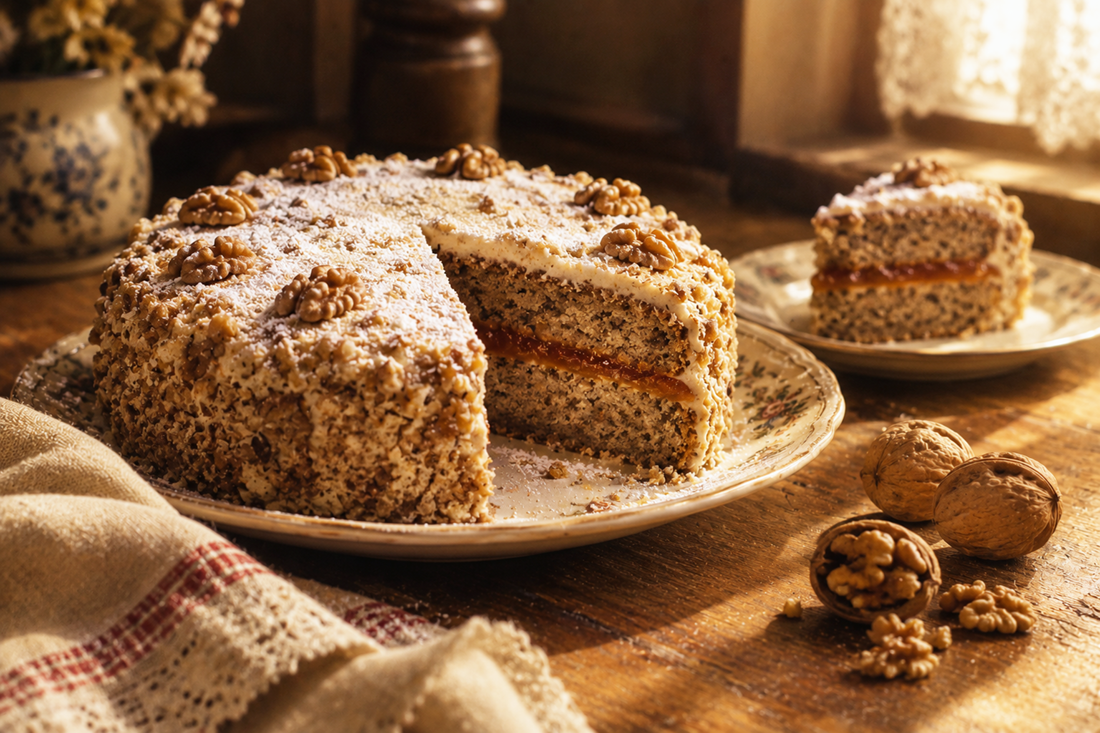
An egg-free, dairy-free walnut torte bound with bean cooking liquid instead of eggs, with a hidden layer of apricot or rosehip jam.
Quick Summary
This Lenten torte uses reserved bean-cooking liquid instead of eggs, providing binding and moisture. A hidden layer of apricot or rosehip jam fills the center, while vanilla-scented sugar finishes the baked cake.
Historical recipe
Modernised adaptation of an early 20th‑century source. Not independently kitchen-tested by Attic Recipes. Quantities, temperatures, and food safety guidance have been updated for a contemporary kitchen — results may vary and errors may exist. Nutritional values, where provided, are estimates only and have not been laboratory tested. Always follow current food safety guidelines for your region. If you have a health condition, allergy, or dietary requirement, consult a qualified professional before preparing this recipe.
Use of this recipe is entirely at your own risk and subject to ourTerms of Service andPrivacy Policy. Attic Recipes accepts no liability for any adverse outcome.
- Gluten
- Tree Nuts
Additional notes
Warning
The bean cooking liquid must come from beans that were soaked (with the soaking water discarded) and then cooked in fresh water at a full, rolling boil until completely tender. This is especially important with red kidney beans, which contain a natural toxin that undercooking does not destroy and that can cause severe vomiting and diarrhea; never use liquid from an undercooked pot, and avoid kidney beans entirely if using a slow cooker or another method that doesn't reach a hard boil first.
Note
Contains tree nuts throughout the batter. Those with tree nut allergies should avoid this recipe.
- 1
In a large bowl, combine the ground walnuts, sugar, flour, breadcrumbs, lemon juice, and baking soda.
- 2
Stir in the bean cooking liquid to form a thick, cohesive batter.
TipThe batter should hold together like a soft dough, not pour like a thin cake batter — if it seems too wet, add a spoonful more breadcrumbs. - 3
Grease a cake mold with the oil. Spread half the batter evenly in the bottom.
- 4
Spread the jam in an even layer over the batter.
- 5
Cover with the remaining batter, spreading it evenly to the edges.
- 6
Bake in the preheated oven until set and a skewer inserted into the cake layer (avoiding the jam) comes out clean, about 40-45 minutes.
- 7
Let the cake cool completely in the mold before turning it out and cutting it into pieces.
- 8
Roll or dust the cut pieces in the vanilla-scented sugar and serve.
Nutrition Informationper 1 slice (approx 1/11 of the cake)
Nutritional values are approximate estimates and may vary based on specific ingredients used, preparation methods, and portion sizes.
Serving Suggestions
Serve at room temperature, dusted with the vanilla-scented sugar; it keeps well for a few days in a covered container.
About This Recipe
This cake belongs to a category of Lenten baking built entirely around ingredients that happened to be both meat- and dairy-free and cheap: ground walnuts and breadcrumbs stand in for most of the flour’s usual job, baking soda does the leavening eggs would otherwise help with, and the cooking liquid left over from a pot of beans binds everything together. A hidden layer of jam through the middle gives it a bit of brightness and moisture against the dense, nutty crumb.
None of this reads as a compromise recipe if you don’t already know it’s egg-free — the walnuts and jam carry plenty of flavor on their own, and the bean liquid’s job is purely structural, not something you’d notice in the finished cake.
Why It Works
Bean cooking liquid carries dissolved starch, a little protein, and natural foaming compounds called saponins out of the beans and into the water as they cook — the same properties that let modern aquafaba stand in for egg whites. Here, combined with baking soda for lift and ground walnuts and breadcrumbs for body, it gives the batter enough structure to hold together and rise modestly without any eggs at all. Baking the jam directly inside the batter, rather than spreading it on afterward, keeps the finished cake moist through the center rather than dry cake wrapped around a separate filling.
Modern Kitchen Tips
If you’re cooking beans specifically to make this cake, plain white beans or chickpeas are the easiest choice — their liquid is close to neutral in both color and taste, so it won’t compete with the walnut and jam. Taste the batter before baking (it contains no raw egg, so this is safe) and adjust the lemon if the jam you’re using is on the sweeter side.
A classic of early 20th century home cooking, preserved and adapted for the modern kitchen.
The Story Behind This Recipe
Historical Context
During Lenten fasting periods, when eggs, butter, and other dairy were avoided, home bakers relied on practical substitutes to give an eggless batter the moisture and binding that eggs would otherwise provide. The cooking liquid left over from beans — a kitchen byproduct that would otherwise be poured away — was one such substitute: a historical precursor to what's known today as aquafaba, put to use well before that term existed.
Modern Kitchen Adaptation
For a reliable result, use only the liquid from beans that have been properly soaked (with the soaking water discarded) and then cooked in fresh water at a full boil until completely tender — never liquid from an undercooked pot. This matters most with red kidney beans specifically, which contain a heat-labile toxin (phytohaemagglutinin) that is only destroyed by a full, rolling boil of at least 10 minutes followed by simmering until soft; discarding the soaking water does not neutralize it, and low, slow cooking that never reaches a hard boil can leave it intact. White beans, cannellini, navy beans, or chickpeas are the most forgiving choice here, both for this safety margin and for a more neutral color and flavor in the finished cake — home-cooked bean liquid varies a good deal between batches, so if a precise, repeatable result matters more than reconstructing the historical ingredient, store-bought aquafaba (the liquid from a can of chickpeas) is a more consistent substitute.
This recipe is an independent modern adaptation developed from historical sources in the public domain. It is provided for informational and educational purposes only and does not constitute professional dietary, nutritional, or medical advice. Food preparation involves inherent risks. The reader assumes full responsibility for safe food handling, ingredient sourcing, and adherence to current local food safety guidelines. The site operator accepts no liability for outcomes resulting from the preparation or consumption of this recipe.
One recipe.
Every week.
You Might Also Like
More recipes you'll enjoy
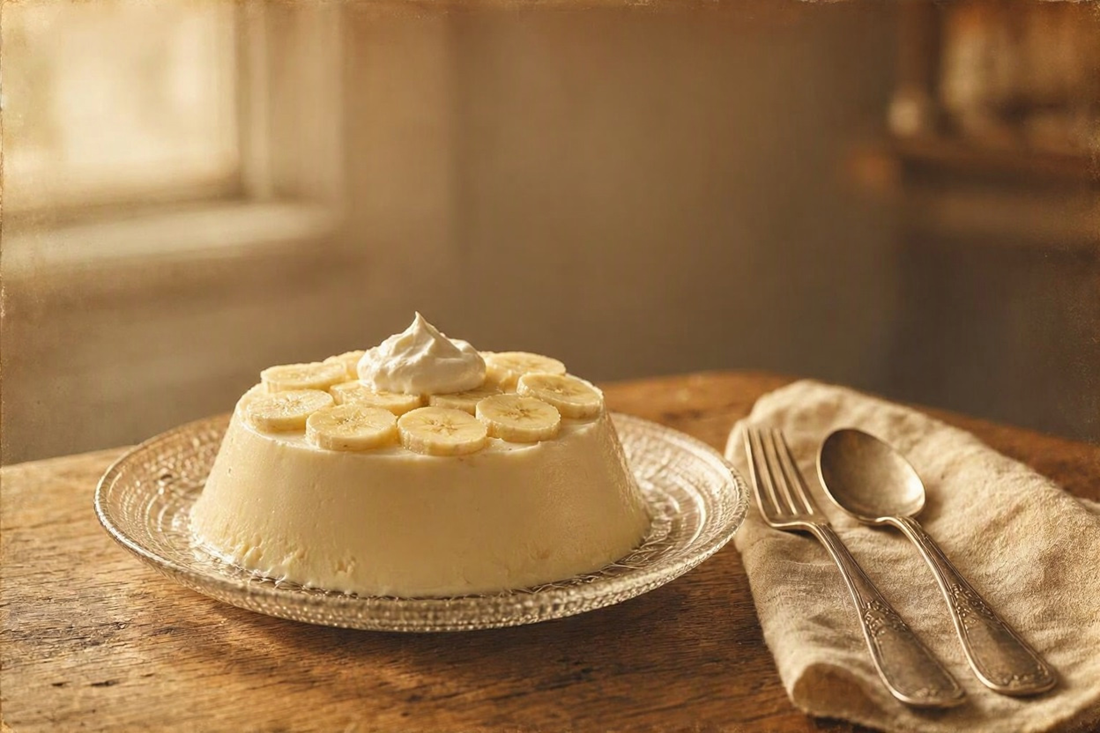
Banana Cream
A chilled, molded custard cream with rum, lemon, and thin banana slices, lightened with whipped cream and unmolded onto a plate to serve.
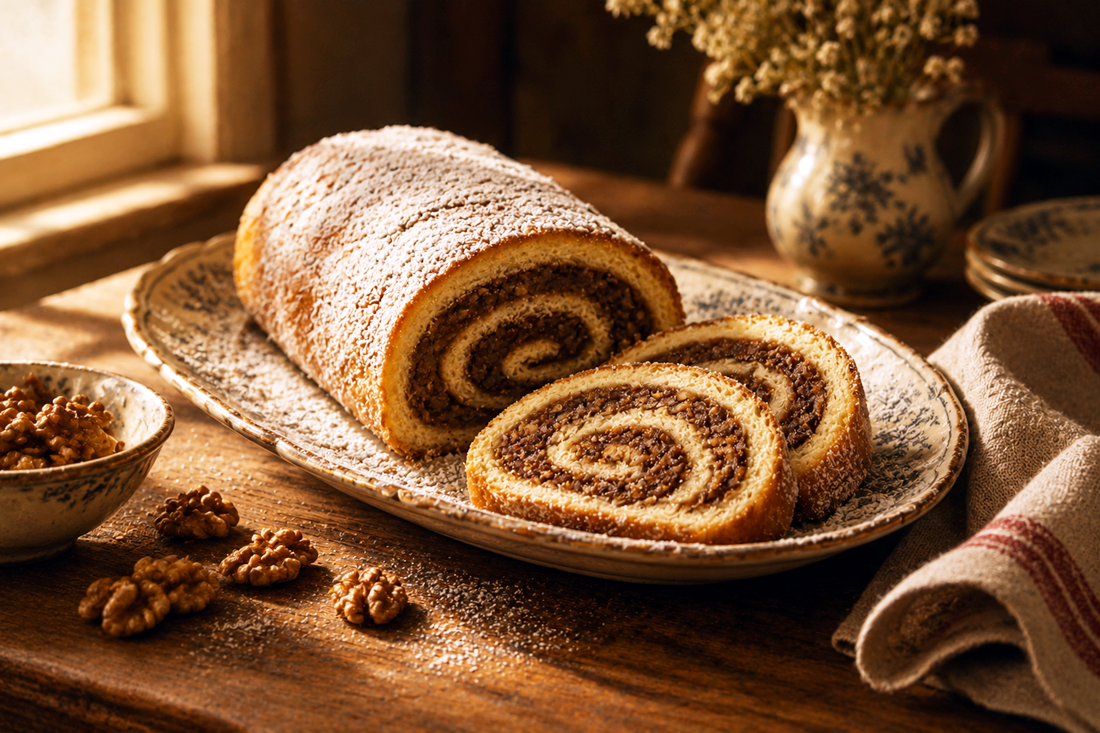
Walnut Roulade
A light egg-foam sponge rolled around a warm, rum-spiked walnut filling, dusted with sugar and served cold in thin slices.
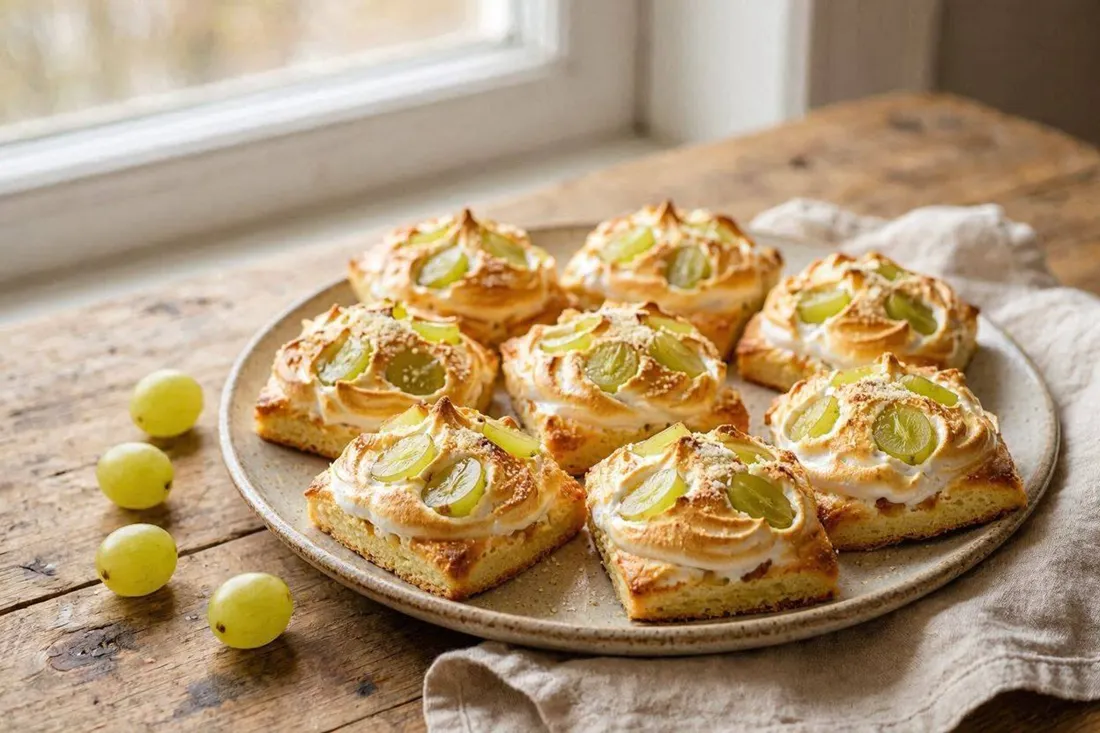
Meringue Grape Cake Squares
A butter cake base spread with apricot jam, topped with sweetened meringue and grapes, baked until golden and cut into squares.