Layered Pumpkin Pastry with Griddle-Baked Dough Sheets
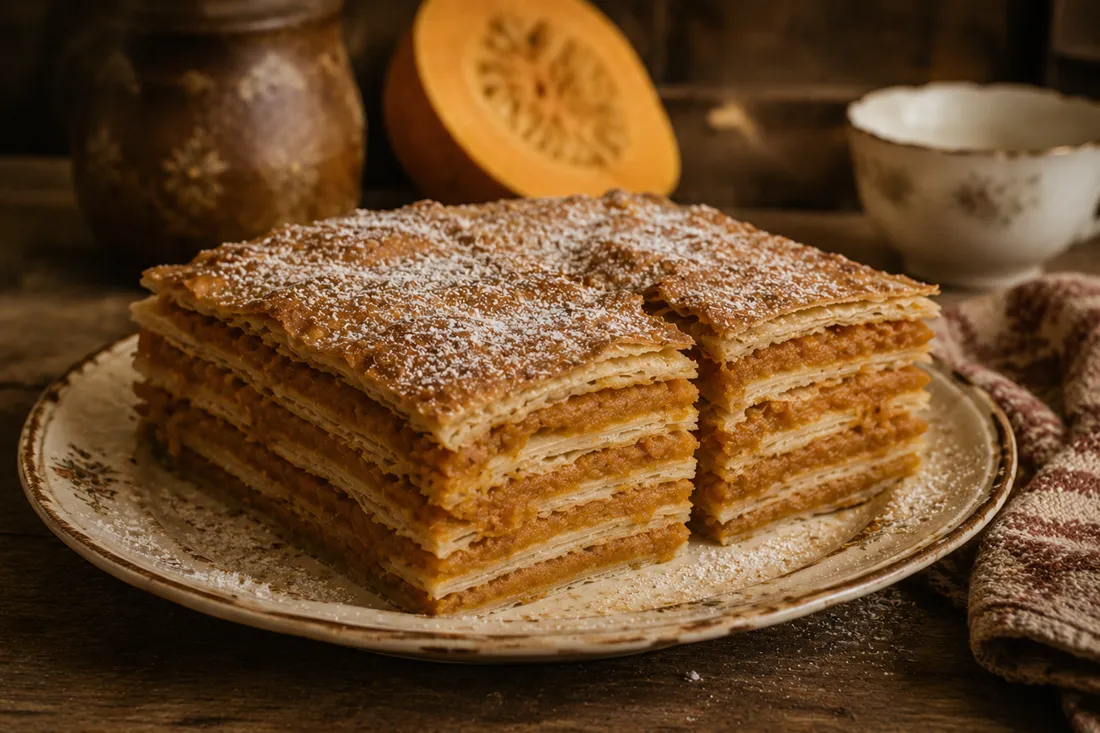
Homemade dough sheets pre-baked on a griddle, layered with a sauteed pumpkin, whipped egg, and cinnamon filling, then baked and finished with vanilla sugar.
Quick Summary
A Central European layered pastry: dough sheets pre-baked on a griddle, filled with sauteed pumpkin, whipped egg, and cinnamon, then baked and finished with vanilla sugar. Takes about 3 hours. Griddle-baked, unrolled sheets set this apart from a rolled strudel pastry.
Historical recipe
Modernised adaptation of an early 20th‑century source. Not independently kitchen-tested by Attic Recipes. Quantities, temperatures, and food safety guidance have been updated for a contemporary kitchen — results may vary and errors may exist. Nutritional values, where provided, are estimates only and have not been laboratory tested. Always follow current food safety guidelines for your region. If you have a health condition, allergy, or dietary requirement, consult a qualified professional before preparing this recipe.
Use of this recipe is entirely at your own risk and subject to our Terms of Service and Privacy Policy. Attic Recipes accepts no liability for any adverse outcome.
- Gluten
- Eggs
- Dairy
Additional notes
-
Warning
The filling contains raw egg yolk and whipped raw egg white before baking. Confirm the filling reaches an internal temperature of 71°C (160°F) before serving, particularly important for pregnant women, young children, the elderly, and immunocompromised individuals.
-
Note
This dish is high in saturated fat due to the lard, butter, and egg yolks used throughout. Those managing saturated fat intake, including pregnant women, elderly, or immunocompromised individuals with specific dietary guidance, may wish to adjust quantities.
- 1
Sift the flour onto a work surface. Add the water, salt, and oil, and knead into a smooth dough, the same way you would for any rolled pastry dough.
- 2
Divide the dough into 8 pieces and roll each one out thin, into sheets about the size of the baking pan.
- 3
Heat a dry griddle, heavy skillet, or crepe pan over medium heat. Bake each dough sheet on the hot dry surface, about 1-2 minutes per side, until lightly golden and set. Set the baked sheets aside.
Tip This replaces the traditional method of baking the sheets directly on a wood-stove hotplate. A dry, ungreased pan works the same way. - 4
Peel the pumpkin, remove the seeds, and grate it coarsely.
- 5
Melt the 1 tbsp lard in a pot. Add the grated pumpkin and sprinkle with the 3 tbsp sugar. Cook, stirring, until the pumpkin is completely soft.
- 6
Remove the pot from the heat and let the pumpkin cool.
- 7
Separately, whisk the 7 egg yolks with the 2 tbsp sugar until pale, then mix them into the cooled pumpkin.
- 8
Add the 50g butter and fold in the whipped egg whites.
- 9
Stir in the 50g sugar and the cinnamon, to taste. Add the 200ml milk gradually until the filling reaches a medium, spoonable consistency.
Tip Add the milk a little at a time; the exact amount needed can vary with how much liquid the pumpkin released while cooking. - 10
Grease the baking pan with some of the 150g lard or butter. Lay down a baked dough sheet, then brush it generously with more of the lard or butter.
- 11
Spread a layer of the pumpkin filling over the sheet, then top with another dough sheet. Repeat the layering — sheet, fat, filling — until all the filling is used.
- 12
Finish with a plain baked dough sheet on top. Pour the 200ml milk evenly over this final layer and pierce it all over with a fork.
- 13
Bake at 180°C (350°F) / 160°C fan for about 40-45 minutes, until the top is golden.
- 14
Check that the filling has reached an internal temperature of 71°C (160°F) before removing from the oven.
Tip Insert a food thermometer into the center of the pastry to confirm doneness, since the filling contains raw egg before baking. - 15
Let cool slightly, then serve warm, cut into pieces and dusted with the vanilla sugar.
Nutrition Information per 1 piece (approx 320g, based on 11 servings)
Nutritional values are approximate estimates and may vary based on specific ingredients used, preparation methods, and portion sizes.
Serving Suggestions
Serve warm, cut into squares, dusted with vanilla sugar as in the traditional finish. A dollop of sour cream or a scoop of vanilla ice cream on the side is a pleasant modern addition, though not part of the traditional serving style.
About This Recipe
This pastry builds its layers from dough sheets that are baked once on their own, before any filling touches them — a method that traces back to kitchens where the sheets were laid straight onto a hot wood-stove surface. Between those pre-baked sheets goes a pumpkin filling that’s had its own two-stage treatment: pumpkin sautéed down with sugar until soft, then folded together with whipped egg yolk and egg white for lightness, cinnamon for warmth, and just enough milk to loosen it to a spreadable consistency.
The finished pastry sits somewhere between a strudel and a custard bake — layered like the first, set like the second, and finished the way both traditions favor: warm, sliced into squares, and dusted with vanilla sugar.
Why It Works
Pre-baking the dough sheets before layering means they hold their structure once the moist pumpkin filling goes between them, rather than turning soggy the way a raw sheet might. Whipping the egg whites separately and folding them in adds air to the filling, so it bakes up lighter than a dense pumpkin custard would on its own. Piercing the top sheet with a fork before pouring milk over it lets that milk soak down through the layers rather than pooling on the surface, keeping the whole pastry moist as it bakes.
Modern Kitchen Tips
A crepe pan is the easiest stand-in for a hotplate — wide, flat, and evenly heated, it bakes the dough sheets quickly without added fat. If eight rolled sheets feels like too much for one session, the dough can be divided and rolled a few sheets at a time while the pumpkin filling cooks, rather than all at once at the start. This recipe pairs naturally with a separate guide to rolling and baking pastry dough sheets from scratch, for anyone who wants the technique in more detail than fits here.
A classic of early 20th century home cooking, preserved and adapted for the modern kitchen.
The Story Behind This Recipe
Historical Context
Early 20th century recipes for this pastry called for the dough sheets to be baked directly on a clean, wiped wood-stove hotplate before layering — a method suited to the kitchens of the period rather than a modern stovetop. The traditional approach did not specify the weight of the pumpkin, the number of dough sheets, or most of the sugar quantities used throughout, leaving these to the cook's judgment and taste.
Modern Kitchen Adaptation
A dry griddle, heavy skillet, or crepe pan on the stovetop replaces the wood-stove hotplate for pre-baking the dough sheets. For a shorter version, store-bought filo or yufka sheets can be substituted for the homemade dough entirely — since those sheets are thin and raw rather than pre-baked, the griddle-baking step is skipped, and the whole assembled pastry is baked once in the oven, closer to a standard layered filo dessert. The pumpkin weight, sheet count, and most sugar quantities are estimated throughout, since the traditional method left these to taste. Because the filling contains raw egg before baking, checking that it reaches 71°C (160°F) internally is a food safety step not present in the traditional version.
This recipe is an independent modern adaptation developed from historical sources in the public domain. It is provided for informational and educational purposes only and does not constitute professional dietary, nutritional, or medical advice. Food preparation involves inherent risks. The reader assumes full responsibility for safe food handling, ingredient sourcing, and adherence to current local food safety guidelines. The site operator accepts no liability for outcomes resulting from the preparation or consumption of this recipe.
One recipe.
Every week.
You Might Also Like
More recipes from the same category
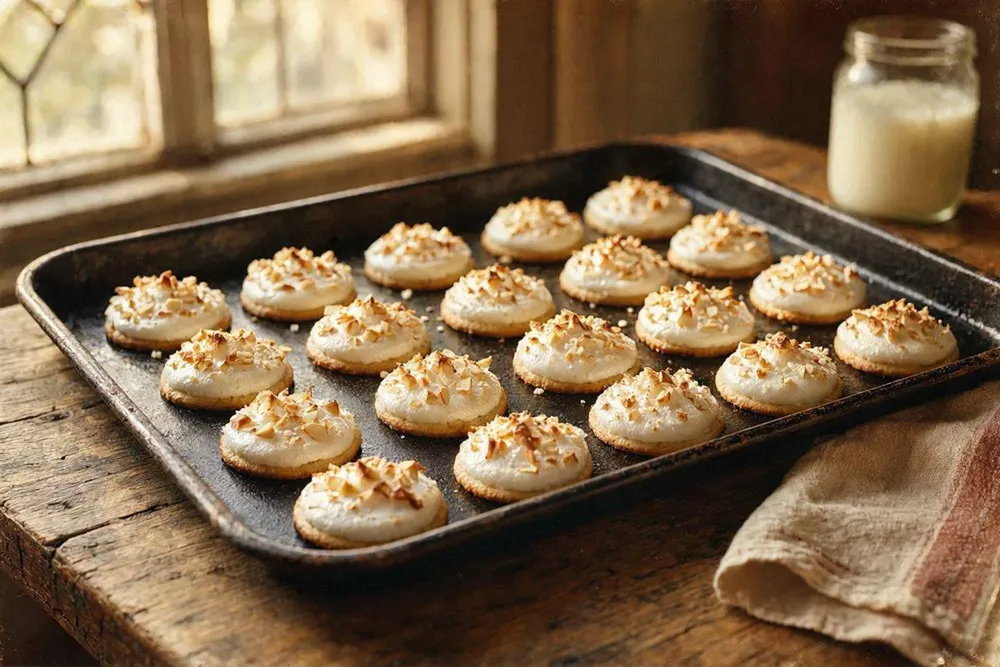
Almond Gurabije Cookies
Small lemon-scented cookies made with lard and egg yolk, indented in the center, coated in whipped egg white, and rolled in sugar and chopped almonds.
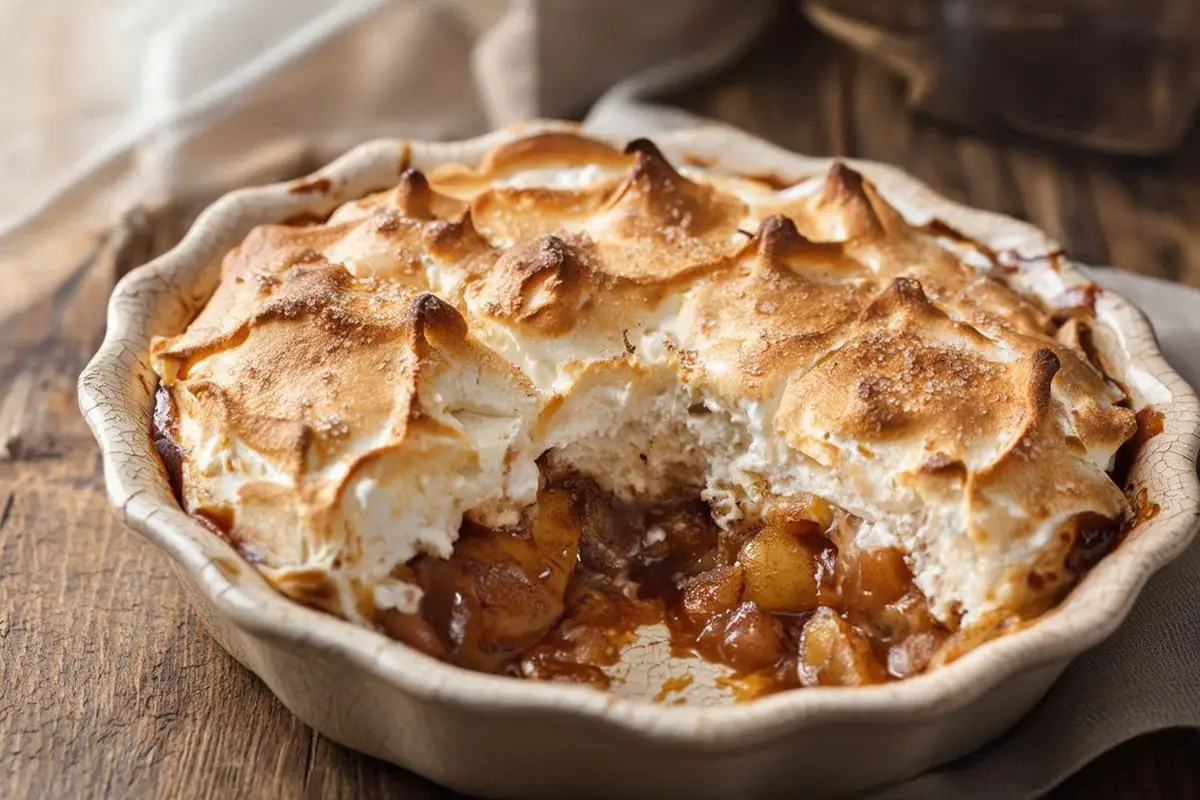
Velvet Apple & Meringue Gratin
A decadent vintage dessert featuring apples slow-cooked in a butter-sugar syrup, topped with a cloud of lemon-scented meringue.
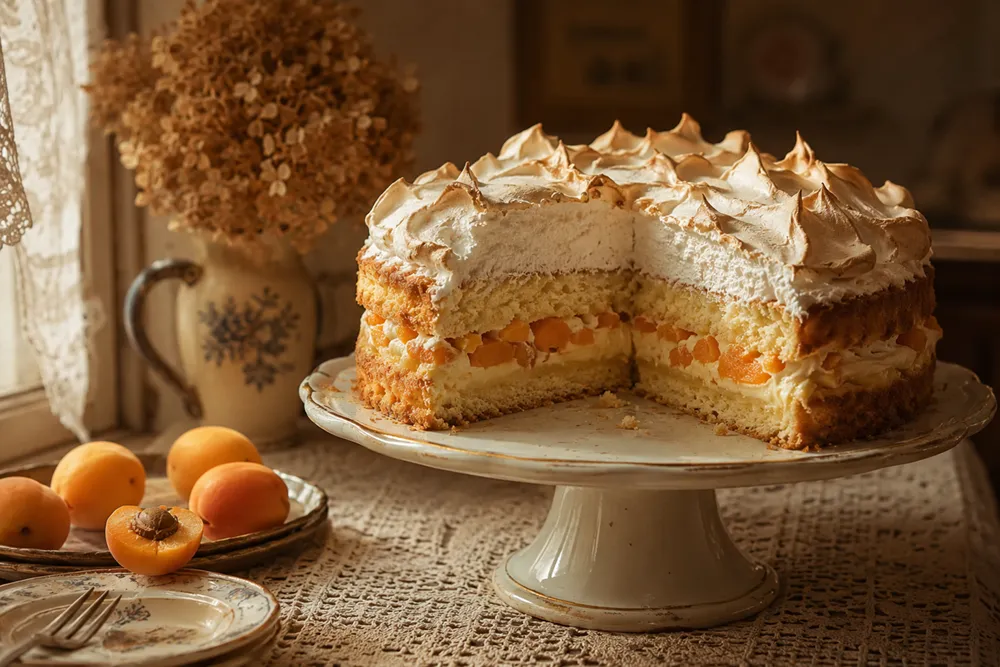
Apricot Cream Torte
Traditional apricot cream cake combining sponge, vanilla custard, and meringue for a timeless European flavor.