Chilled Fruit Cream with Apricot Compote
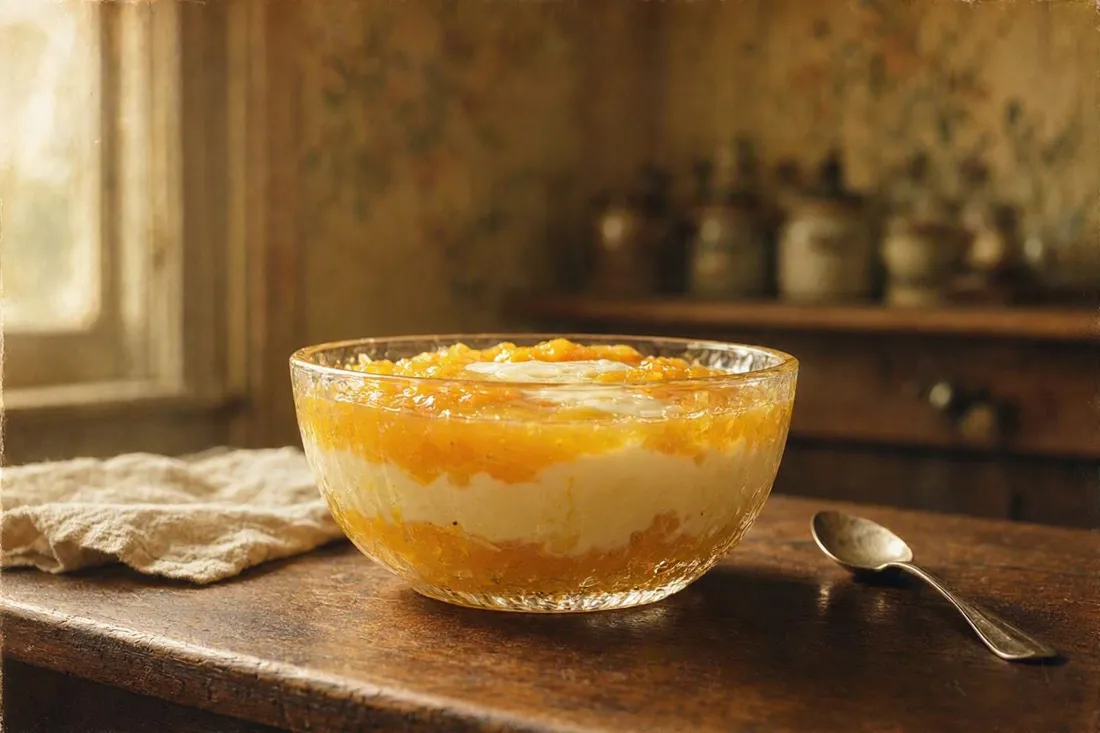
A light, gelatin-set cream layered with apricot compote, made with a cooked meringue and custard base for a safe, silky texture.
Quick Summary
This Central European dessert layers poached apricot compote with a gelatin-set cream made from cooked custard and meringue. Taking 65 minutes to prepare, it yields a light, velvety make-ahead treat that sets completely in the refrigerator.
Historical recipe
Modernised adaptation of an early 20th‑century source. Not independently kitchen-tested by Attic Recipes. Quantities, temperatures, and food safety guidance have been updated for a contemporary kitchen — results may vary and errors may exist. Nutritional values, where provided, are estimates only and have not been laboratory tested. Always follow current food safety guidelines for your region. If you have a health condition, allergy, or dietary requirement, consult a qualified professional before preparing this recipe.
Use of this recipe is entirely at your own risk and subject to our Terms of Service and Privacy Policy. Attic Recipes accepts no liability for any adverse outcome.
- Eggs
Additional notes
-
Warning
The sugar syrup for the meringue reaches a very high temperature and can cause severe burns if splashed or spilled. Use a thermometer and pour it carefully in a thin, steady stream.
-
Note
Both the meringue and custard steps are designed to fully cook the eggs. Follow the stated temperatures closely, especially when serving pregnant women, young children, older adults, or immunocompromised individuals.
-
Note
This is a high-sugar dessert. Those managing blood sugar may want to serve smaller portions.
- 1
Combine the apricots, water, and 100g sugar in a saucepan. Simmer, covered, until the fruit is soft, about 15-20 minutes. Remove from heat and let cool slightly.
Tip If using peaches, peel them first for a smoother compote; sour apples should be peeled and cored. - 2
Strain the compote, reserving the fruit and the juice separately. Measure out 350ml of the juice total for the cream (250ml for the fruit-lemon base, 100ml for the custard).
- 3
Soak the gelatin leaves in the cold water for about 5 minutes until softened.
- 4
In a heatproof bowl, whisk together the egg yolks, the sugar for the custard, the lemon zest, and 100ml of the reserved compote juice. Set the bowl over a pan of gently simmering water and whisk constantly until thickened and the mixture reaches 74°C (165°F).
Tip This fully cooks the egg yolks, making this component food-safe without needing pasteurized eggs. - 5
Remove the custard from the heat and immediately squeeze excess water from the bloomed gelatin and stir it in until fully dissolved. Set aside to cool to room temperature, stirring occasionally to prevent a skin from forming.
- 6
Combine the remaining 250ml reserved compote juice with the lemon juice in a small bowl.
- 7
Combine the sugar for the meringue with the 15ml water in a small saucepan. Cook over medium heat, without stirring, until the syrup reaches 118°C (245°F).
Tip Have a thermometer ready — this stage moves quickly once the syrup gets hot, and boiling sugar causes severe burns if splashed. - 8
While the syrup cooks, begin whipping the egg whites to soft peaks. Once the syrup reaches temperature, carefully stream it into the whipping egg whites, avoiding the whisk and bowl sides, whisking constantly. Continue whipping until the meringue is glossy, stiff, and cooled to room temperature.
Tip Pouring hot syrup into whipping whites cooks them safely — this is the same principle used in Italian meringue, and the finished foam is fully food-safe. - 9
Gently fold the fruit-lemon juice mixture into the meringue, then fold in the cooled custard base until no streaks remain.
- 10
In a deep glass bowl, arrange half the reserved compote fruit in a single layer on the bottom. Pour the cream mixture over the fruit, then arrange the remaining fruit on top.
- 11
Chill in the refrigerator until the cream is fully set, at least 3-4 hours or overnight.
Nutrition Information per 1 serving (approx 200g, based on 7 servings)
Nutritional values are approximate estimates and may vary based on specific ingredients used, preparation methods, and portion sizes.
Serving Suggestions
Serve chilled, spooned into glasses or bowls, with a few extra pieces of compote fruit on top.
About This Recipe
This is a light, chilled fruit dessert built around a simple compote and a gelatin-set cream, layered together in a glass bowl so the pale cream and golden fruit show through the sides. The cream itself is where the real technique lives — rather than the raw whipped eggs of the original method, this version cooks both the whites and the yolks separately using two classic pastry techniques that preserve the same soft, foamy texture without the food safety risk of raw eggs.
It’s a dessert that rewards being made a day ahead: the compote needs time to cool, and the assembled cream needs several hours in the refrigerator to set firmly enough to slice or spoon out cleanly.
Why It Works
Streaming a hot sugar syrup into whipping egg whites — the same method used for Italian meringue — cooks the whites gradually as they whip, rather than all at once, which is what keeps them from turning into scrambled egg bits. The result is a stable, glossy foam that holds its structure even after folding in other ingredients.
The egg yolks get the same safety treatment through a different route: cooking them with sugar and a little liquid over a bain-marie, whisking constantly, thickens them into a light custard by the time they reach a safe temperature. Adding the bloomed gelatin while the custard is still warm lets it dissolve evenly, so the finished cream sets smoothly rather than in gelatin flecks.
Modern Kitchen Tips
Keep a close eye on the sugar syrup once it passes 100°C — it moves from clear syrup to the right temperature quickly, and it’s easy to overshoot if you look away.
If the custard base seems to be thickening unevenly or looks like it might scramble, pull the bowl off the heat for a few seconds while whisking, then return it — the residual heat will keep it cooking without the risk of overheating one spot.
A classic of early 20th century home cooking, preserved and adapted for the modern kitchen.
The Story Behind This Recipe
Historical Context
Early 20th century recipes for a fruit cream like this one relied on raw whipped egg whites and raw egg yolks, set with soaked gelatin, layered with fruit from a simple compote. The compote itself was left flexible to whichever fruit was in season — apricots, peaches, or sour apples were all standard choices for this style of chilled dessert.
Modern Kitchen Adaptation
The original method whips raw egg whites and mixes raw egg yolks directly with soaked gelatin, with no step that cooks the eggs. This recipe replaces that with two cooked techniques that preserve the same light, foamy texture: the egg whites are turned into an Italian meringue by streaming a hot sugar syrup into them as they whip, and the egg yolks are cooked with sugar and a portion of the compote juice over a bain-marie until they reach 74°C (165°F), fully pasteurizing both components. If pasteurized eggs (in-shell or liquid) are available, they can be used with the original raw-mixing method instead, though the syrup and bain-marie steps here give a more stable, silkier result regardless of the eggs used. Fruit, water, and sugar quantities for the compote were not specified in the original and have been estimated to a standard proportion for this format.
This recipe is an independent modern adaptation developed from historical sources in the public domain. It is provided for informational and educational purposes only and does not constitute professional dietary, nutritional, or medical advice. Food preparation involves inherent risks. The reader assumes full responsibility for safe food handling, ingredient sourcing, and adherence to current local food safety guidelines. The site operator accepts no liability for outcomes resulting from the preparation or consumption of this recipe.
One recipe.
Every week.
You Might Also Like
More recipes you'll enjoy
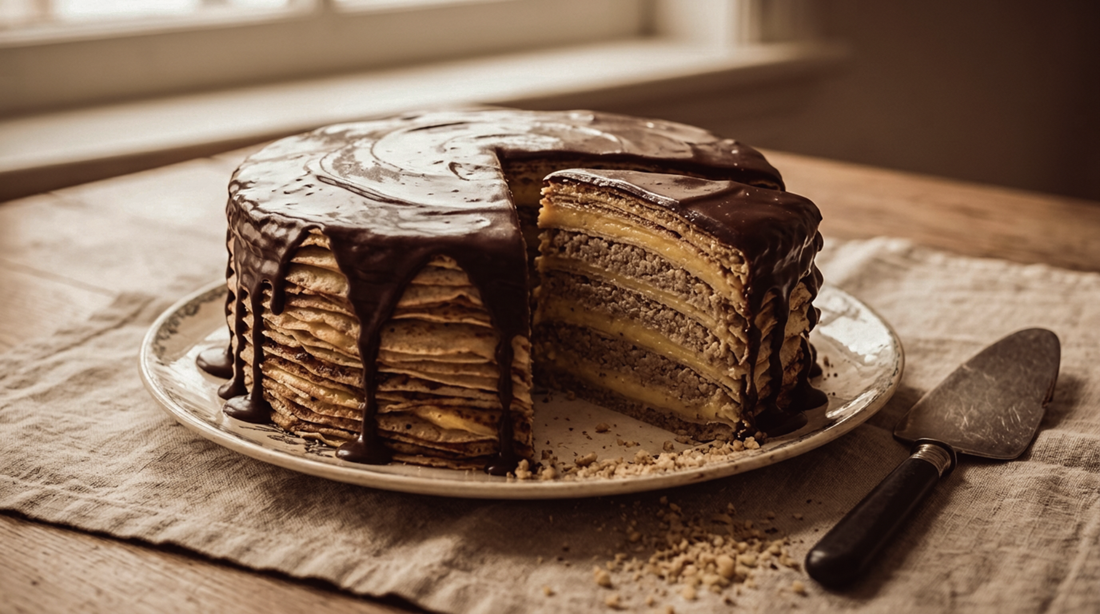
Walnut and Custard Crêpe Torte
Sixteen crêpes layered with a baked vanilla custard filling, walnuts, and biscuit crumbs, then glazed with chocolate for a rich, sliceable torte.
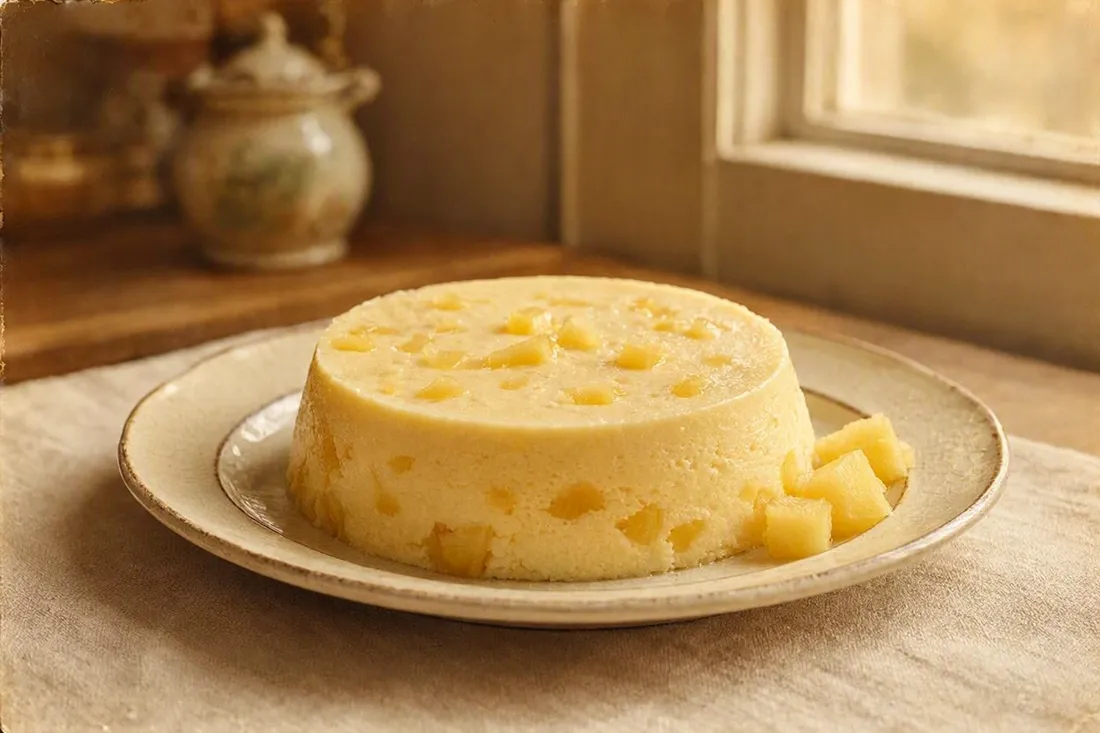
No-Bake Pineapple Cream
A light, chilled pineapple cream made with canned pineapple, gelatin, and whipped cream — no oven required, just a few hours to set.
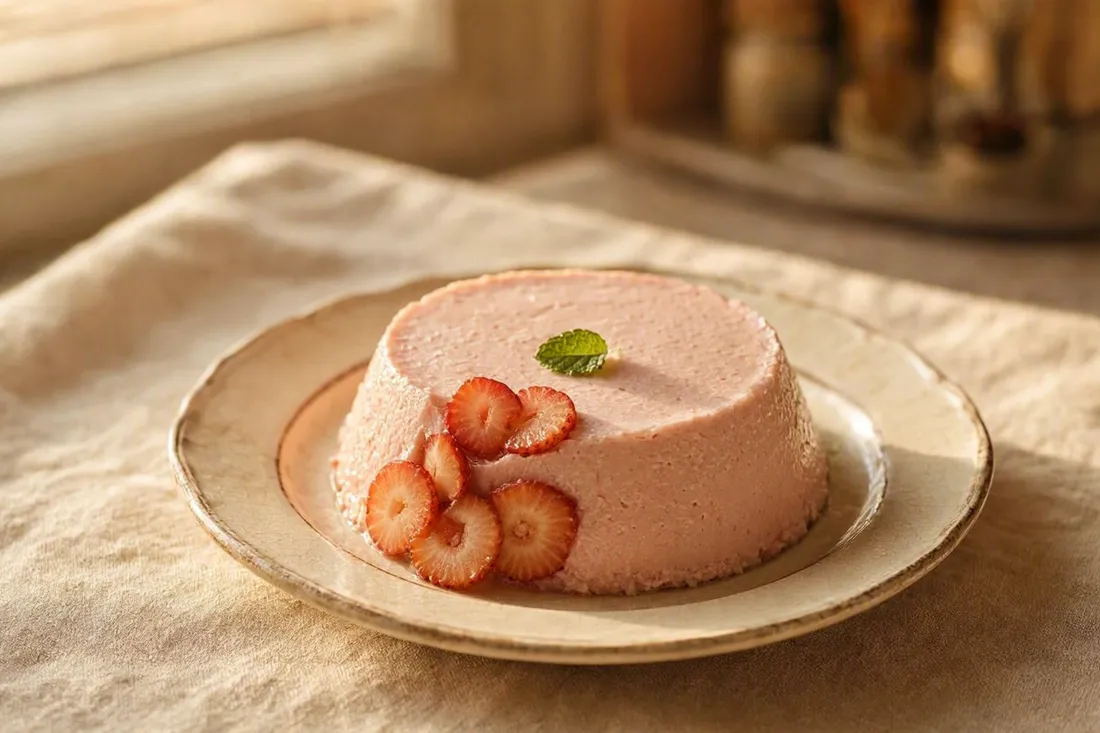
No-Bake Strawberry Cream
A silky, chilled strawberry cream made with fresh strawberries, gelatin, and whipped cream — no oven required, just a few hours to set.