Steamed Pea and Rice Pudding with Mushrooms
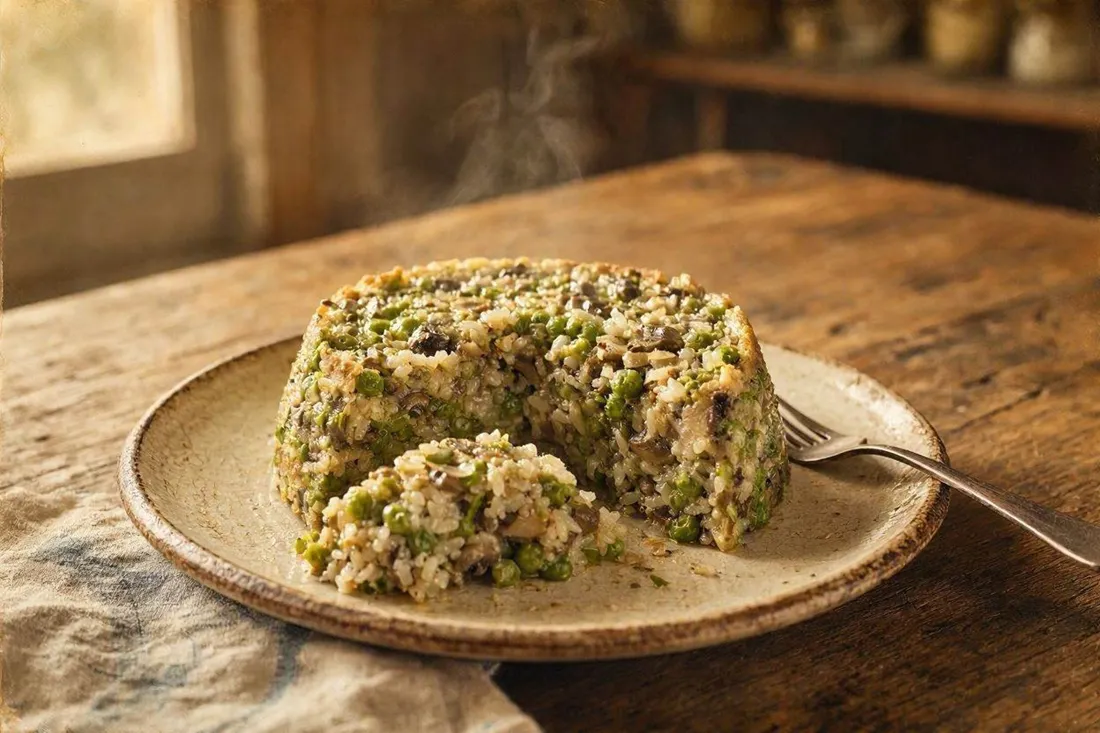
A savory steamed pudding of peas, rice, and mushrooms bound with eggs — a light, elegant side dish traditionally served warm alongside roasted meat.
Quick Summary
This Central European steamed pea, rice, and mushroom pudding is gently set in a water bath with whipped eggs for a light, soufflé-like texture. Total preparation and cooking time is 115 minutes. Serve warm as a side dish..
Historical recipe
Modernised adaptation of an early 20th‑century source. Not independently kitchen-tested by Attic Recipes. Quantities, temperatures, and food safety guidance have been updated for a contemporary kitchen — results may vary and errors may exist. Nutritional values, where provided, are estimates only and have not been laboratory tested. Always follow current food safety guidelines for your region. If you have a health condition, allergy, or dietary requirement, consult a qualified professional before preparing this recipe.
Use of this recipe is entirely at your own risk and subject to our Terms of Service and Privacy Policy. Attic Recipes accepts no liability for any adverse outcome.
- Eggs
- Dairy
- Gluten
- 1
Rinse the peas. In a saucepan, melt 1 tablespoon of butter and fry the peas over medium heat until they begin to soften, about 5-7 minutes.
- 2
In a separate pot, parboil the rinsed rice in lightly salted water for 8-10 minutes, until just tender but not fully cooked. Drain.
- 3
In another pan, melt 1 tablespoon of butter and fry the chopped mushrooms until softened, about 6-8 minutes. Stir in the black pepper and parsley, then remove from heat.
- 4
Once the peas are fried, the rice parboiled, and the mushrooms softened, whip 1 tablespoon of butter together with the egg yolks in a large bowl until light and foamy.
- 5
Fold the peas, rice, and mushrooms into the whipped yolk mixture, and season with the remaining salt.
- 6
In a clean, dry bowl, whip the egg whites to stiff peaks. Fold them evenly into the mixture.
- 7
Butter a heatproof bowl or soufflé dish (about 2.5-3L capacity) and dust it with the breadcrumbs, tapping out the excess.
- 8
Pour the mixture into the prepared dish, filling it no more than two-thirds to three-quarters full.
Tip The mixture expands slightly as it sets. Leaving headroom prevents it from overflowing into the water bath during steaming. - 9
Cover the dish tightly with foil or a lid. Place it in a large pot and add boiling water to reach halfway up the sides of the dish.
- 10
Steam over low-medium heat for 1 hour, topping up the water as needed, until the pudding is set and a knife inserted in the center comes out clean.
- 11
Remove from the water bath and let rest for a few minutes before unmolding, or serve directly from the dish.
- 12
Serve hot, as an accompaniment to roasted meat.
Nutrition Information per 1 portion (approx 220g), based on 5 servings
Nutritional values are approximate estimates and may vary based on specific ingredients used, preparation methods, and portion sizes.
Serving Suggestions
Serve warm, sliced or spooned directly from the dish, as a side alongside roasted pork, chicken, or beef.
About This Recipe
This dish belongs to a category of savory steamed puddings that don’t get much attention today — vegetables and grain bound together with whipped eggs, gently set in a water bath rather than baked. Peas, parboiled rice, and mushrooms are folded into a foamy egg-yolk-and-butter base, lightened at the end with stiffly whipped whites, then steamed slowly until it holds its shape.
The result sits somewhere between a soufflé and a savory bread pudding — tender, light, but substantial enough to serve as a proper side alongside roasted meat.
Why It Works
Steaming in a water bath sets the eggs gently and evenly, without the risk of curdling or drying out that direct oven heat can bring to an egg-bound mixture this delicate. Whipping the egg whites separately and folding them in last does the real work of lightening the dish — without that step, the rice and vegetables alone would make for a dense, heavy result.
Modern Kitchen Tips
Give the mixture room to expand: fill the dish no more than three-quarters full, and keep the water at a gentle simmer rather than a rolling boil, topping it up as needed over the hour. If you don’t have a dedicated soufflé dish, any oven-safe bowl with straight-ish sides and a lid (or a tight foil cover) will work.
A classic of early 20th century home cooking, preserved and adapted for the modern kitchen.
The Story Behind This Recipe
Historical Context
Early 20th century recipes for savory vegetable puddings like this one relied on steaming in a water bath as the standard technique for setting an egg-bound mixture gently, without the direct heat of an oven. Dishes of this kind were commonly served warm alongside roasted meat, using peas and other vegetables of the season to round out the plate.
Modern Kitchen Adaptation
The original recipe did not specify a salt quantity anywhere in the method; a standard amount has been added and divided between the rice water and the mixture. The mold size was not given in the original — a 2.5-3L heatproof dish has been specified, filled only two-thirds to three-quarters full, since the rice continues to absorb liquid and the whipped egg whites add volume during steaming; a tightly sized mold risks overflow. The mushroom variety was not specified and has been standardized to cultivated button mushrooms, the most widely available option today.
This recipe is an independent modern adaptation developed from historical sources in the public domain. It is provided for informational and educational purposes only and does not constitute professional dietary, nutritional, or medical advice. Food preparation involves inherent risks. The reader assumes full responsibility for safe food handling, ingredient sourcing, and adherence to current local food safety guidelines. The site operator accepts no liability for outcomes resulting from the preparation or consumption of this recipe.
One recipe.
Every week.
You Might Also Like
More recipes you'll enjoy
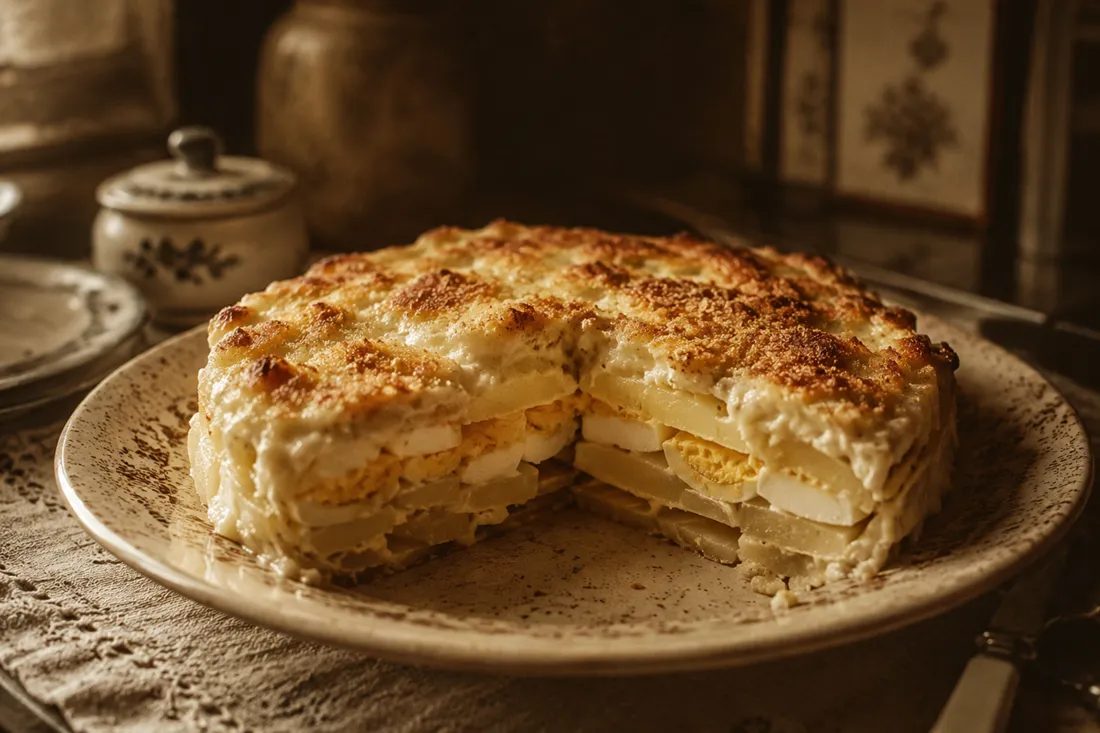
Baked Potato and Egg Gratin with Sour Cream
Layers of sliced boiled potato and hard-boiled egg, baked with sour cream until golden — a simple, hearty Central European side dish.
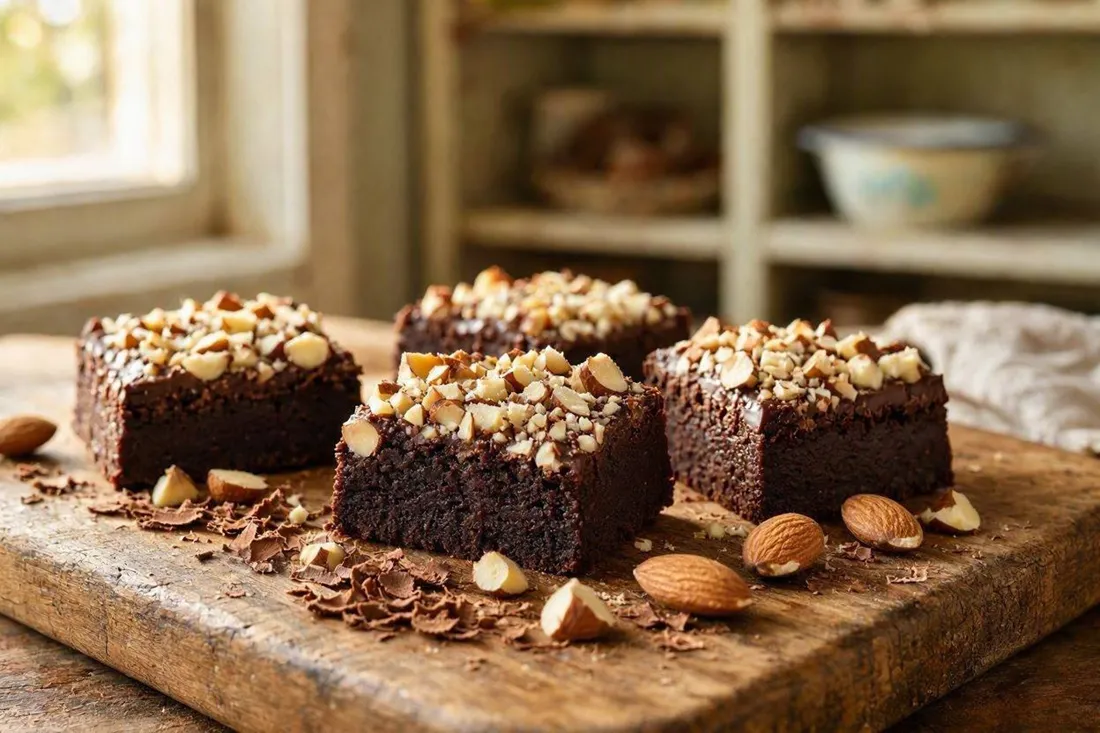
Rich Chocolate Squares with Almonds
A rich, dense chocolate square cake, topped with chopped almonds and baked low and slow until set — cut into neat squares once cooled.
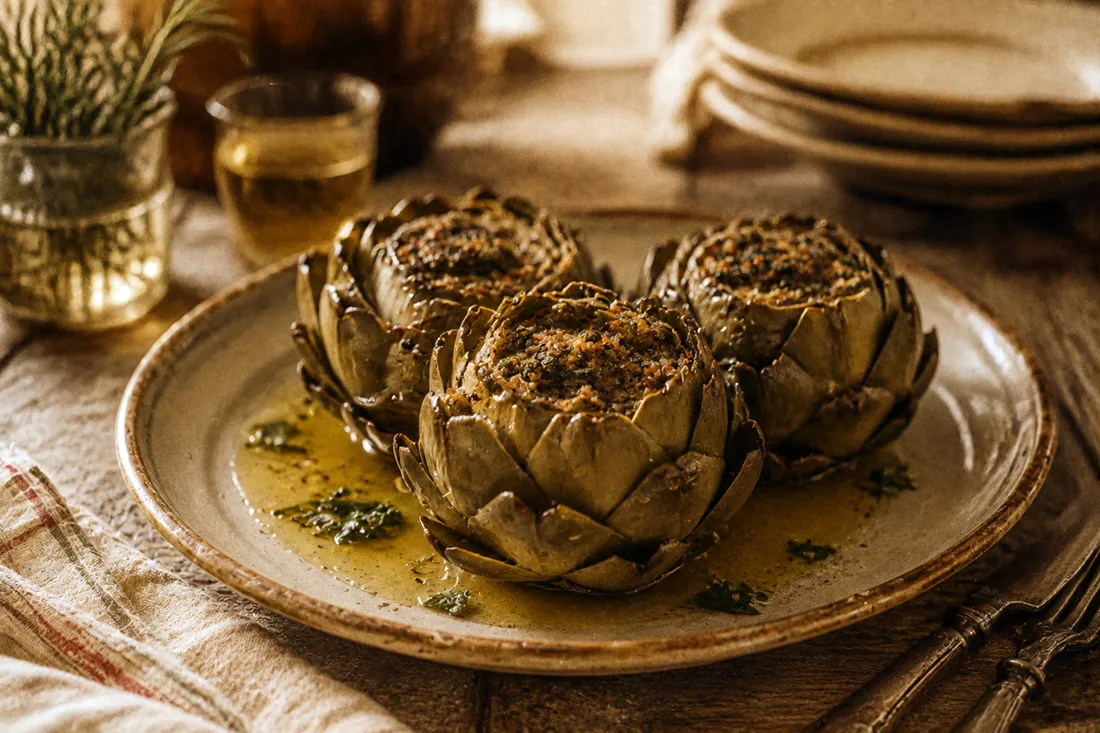
Stuffed Artichokes Braised in Olive Oil
Whole artichokes are stuffed with a savory breadcrumb, onion, and parsley filling, then slowly braised in olive oil and water until fork-tender.