Slow-Simmered Tomato Sauce
A simple, aromatic tomato sauce simmered with onion, garlic, and herbs, then passed through a sieve for a silky, seed-free finish.
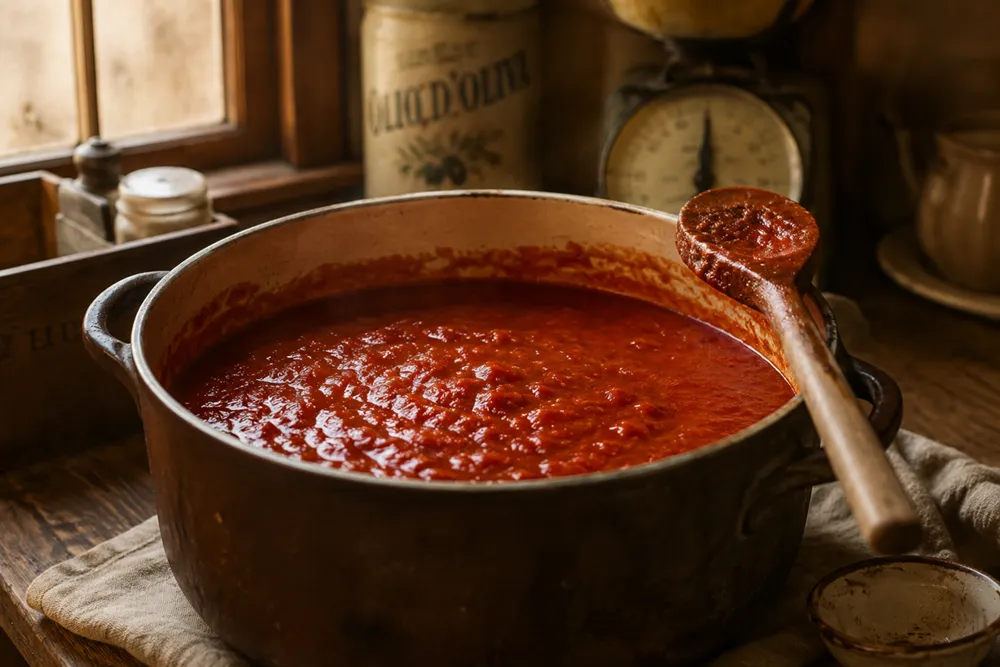
Historical recipe
Modernised adaptation of an early 20th‑century source. Not independently kitchen-tested by Attic Recipes. Quantities, temperatures, and food safety guidance have been updated for a contemporary kitchen — results may vary and errors may exist. Nutritional values, where provided, are estimates only and have not been laboratory tested. Always follow current food safety guidelines for your region. If you have a health condition, allergy, or dietary requirement, consult a qualified professional before preparing this recipe.
Use of this recipe is entirely at your own risk and subject to our Terms of Service and Privacy Policy. Attic Recipes accepts no liability for any adverse outcome.
- Celery
- 1
Finely chop the 60g onion, mince the garlic clove, and finely chop the 15g celery. Have the basil and parsley ready as well.
- 2
Heat the 2.5 tbsp olive oil in a heavy-bottomed saucepan over medium heat. Add the onion, garlic, and celery, and cook, stirring often, for about 5 minutes, until softened but not browned.
- 3
Stir in the basil, parsley, 0.5 tsp salt, and a pinch of pepper.
- 4
Add the 1kg chopped tomatoes (skins on) to the pot. Bring to a gentle simmer.
- 5
Simmer uncovered for 30-40 minutes, stirring occasionally, until the tomatoes have fully broken down and reduced to a thick, liquid consistency.
- 6
Pass the sauce through a fine-mesh sieve or food mill, working it through with the back of a spoon, to remove the skins and seeds and leave a smooth, seed-free sauce.
- 7
Taste and adjust salt and pepper. Serve warm, tossed through pasta or cooked rice, or spoon over meat.
Nutrition Information per 1 serving (approx 100-120g sauce)
Nutritional values are approximate estimates and may vary based on specific ingredients used, preparation methods, and portion sizes.
Serving Suggestions
Excellent tossed through freshly cooked pasta or rice, or spooned over simply cooked meat. Also works well as the tomato component in baked dishes.
About This Recipe
This tomato sauce is about as close as it gets to a foundational recipe — the kind that shows up again and again across early 20th century Central European kitchens, ladled over pasta, folded into rice dishes, or spooned over simply cooked meat. What makes it distinctive isn’t a long ingredient list, but the technique: tomatoes are cooked down whole, skins and all, and the finished sauce is worked through a sieve rather than peeled ahead of time.
It’s a small reversal of the order most modern recipes suggest, and it says something about how efficiently home cooks of the period worked with what they had. Nothing about the method is complicated, but it rewards a little patience — the long, slow simmer is where the flavor actually develops.
Why It Works
Simmering the tomatoes with their skins on, then straining afterward, captures more of the tomato’s flesh than peeling raw tomatoes beforehand ever does — pulp tends to cling stubbornly to a peeled skin, and that’s flavor and body you don’t get back. Cooking first and straining after solves that problem entirely: by the time the tomatoes hit the sieve, the flesh has already separated itself from the skin during the simmer, and pressing it through just finishes the job.
The long, slow reduction also matters. Tomatoes release a lot of water as they break down, and giving that water time to cook off is what turns a watery stew of chopped vegetables into an actual sauce — thick enough to coat a spoon rather than run off it.
Modern Kitchen Tips
If you don’t have a food mill, a regular fine-mesh sieve works fine — just press the sauce through in batches with the back of a spoon or a flexible spatula. An immersion blender run through the pot before straining will speed things up and leave less pulp behind in the sieve.
Prefer to skip straining altogether? Blanch and peel the tomatoes before cooking instead, and remove the seeds by hand if you like a seedless finish. Either method gets you to the same place — pick whichever fits your kitchen setup better.
This sauce also freezes well: let it cool completely, then portion into containers or freezer bags for up to 3 months.
A classic of early 20th century home cooking, preserved and adapted for the modern kitchen.
The Story Behind This Recipe
Historical Context
Home cooks of the period made this sauce by simmering roughly chopped tomatoes — skins left on — together with aromatics and herbs until everything broke down into a thick, fragrant liquid. The finished sauce was then pushed through a fine sieve or hand-cranked food mill to separate out the skins and seeds, leaving a smooth pulp behind. This approach was common in middle-class Central European households of the era, since it captured more of the tomato flesh than peeling raw tomatoes beforehand, where some pulp is inevitably lost clinging to the discarded skin. Salt, pepper, and oil quantities were traditionally left to the cook's judgment rather than measured.
Modern Kitchen Adaptation
The traditional method — simmering unpeeled tomatoes and straining the finished sauce — has been kept here, since it's genuinely more efficient for larger batches. If you'd rather skip the straining step, tomatoes can instead be blanched in boiling water for 30-60 seconds, shocked in cold water, and peeled before cooking; seeds can be scooped out at the same time if you prefer a seedless sauce without milling. An immersion blender followed by a quick pass through a sieve also works well for a smoother texture with less manual pressing. Salt, pepper, and oil amounts were not specified in the original and have been set here as sensible starting points — taste and adjust as you go. Cooking time (30-40 minutes) and yield (approximately 500-600ml, serving 4-6) were estimated based on standard reduction times for a fresh tomato sauce of this quantity, since neither was specified originally.
This recipe is an independent modern adaptation developed from historical sources in the public domain. It is provided for informational and educational purposes only and does not constitute professional dietary, nutritional, or medical advice. Food preparation involves inherent risks. The reader assumes full responsibility for safe food handling, ingredient sourcing, and adherence to current local food safety guidelines. The site operator accepts no liability for outcomes resulting from the preparation or consumption of this recipe.
One recipe.
Every week.
You Might Also Like
More recipes from the same category
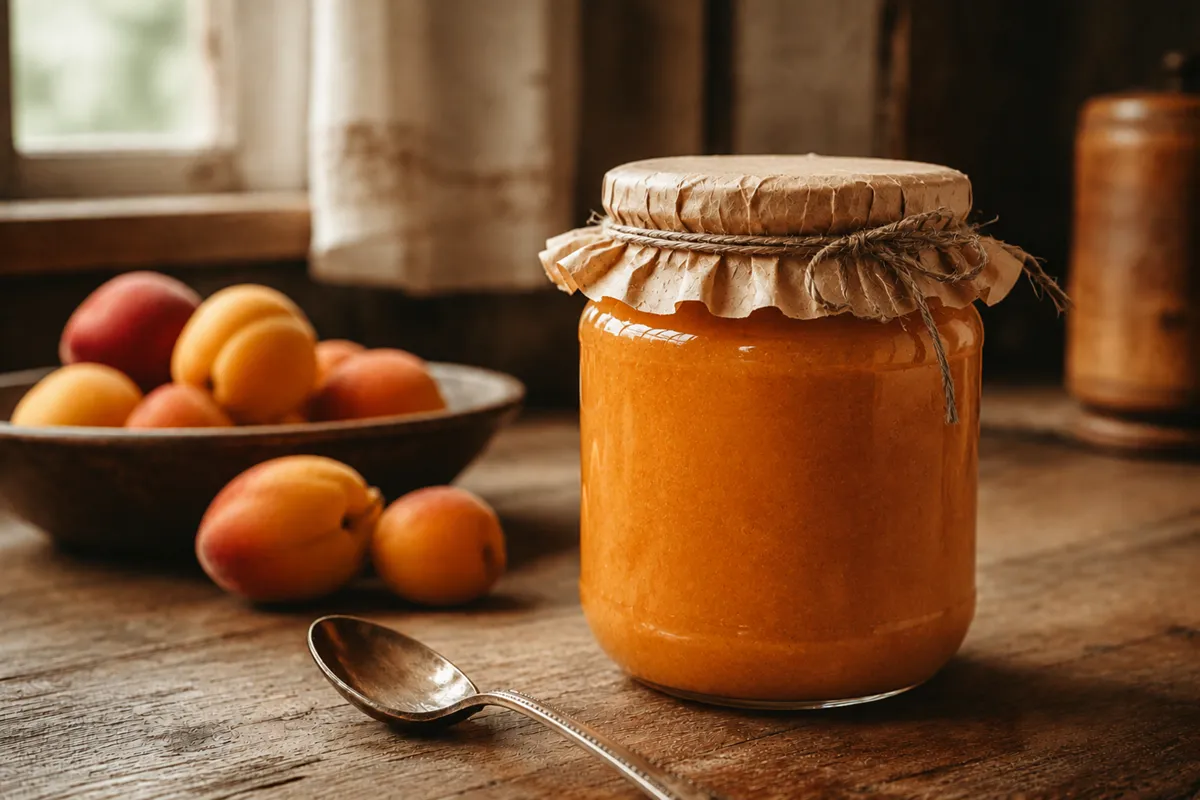
Whipped Apricot or Peach Preserve (No-Cook)
A silky, pale fruit spread made by whipping raw apricot or peach puree with sugar - no cooking required.
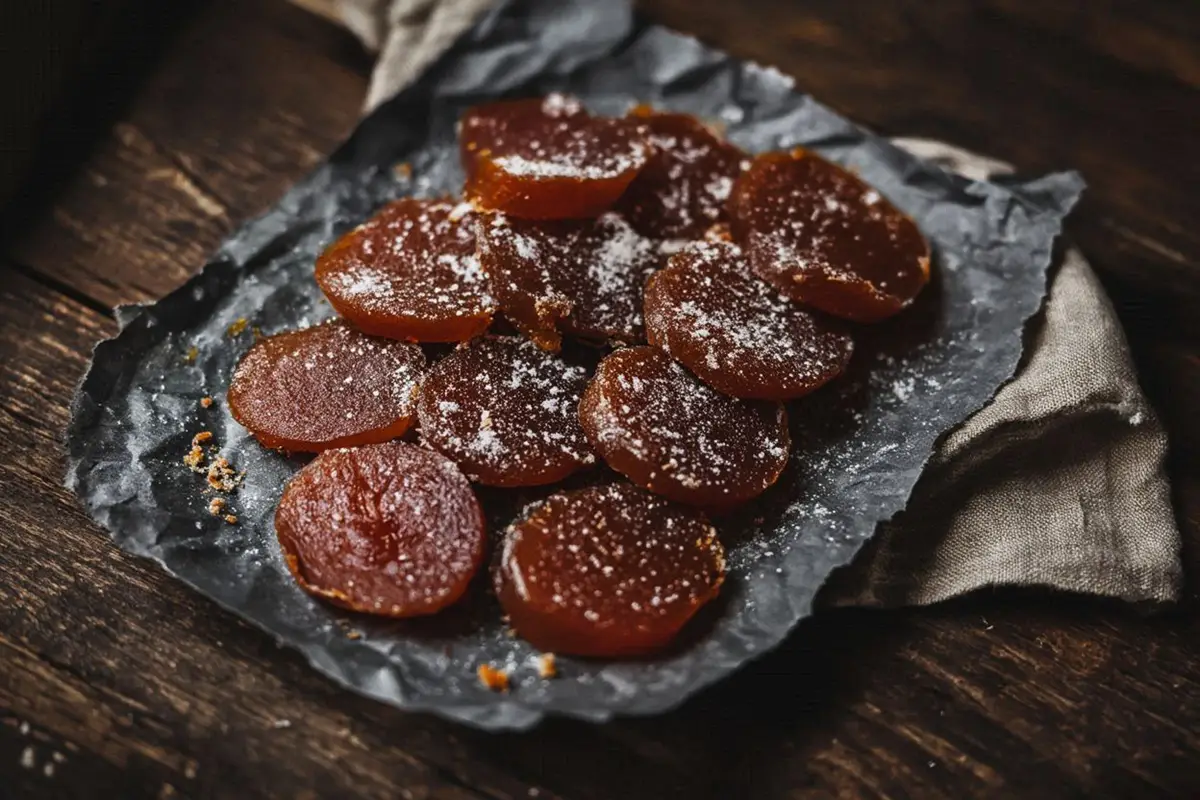
Apricot Fruit Paste
Sieved ripe apricots cooked with equal weight sugar and lemon juice, poured into molds and air-dried — from early 20th century Central European kitchens.
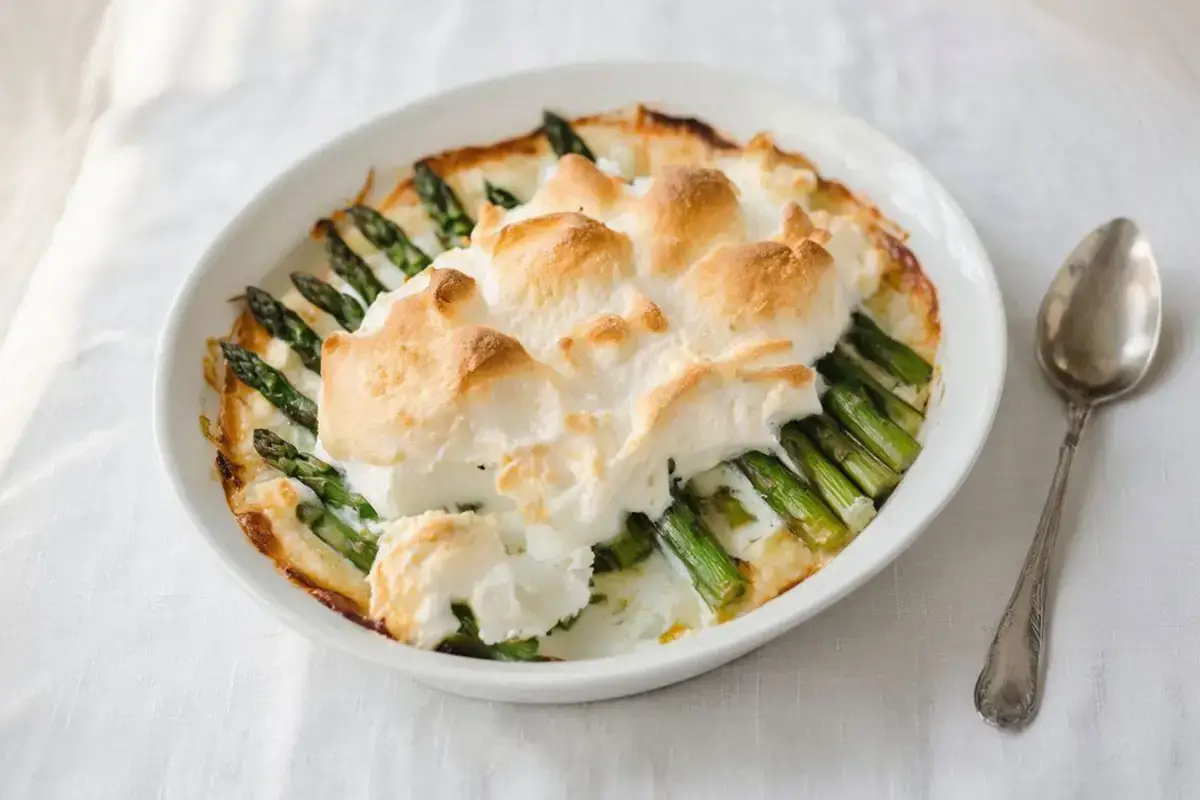
Asparagus Venetian Style
Fresh asparagus baked under a rich egg yolk cream sauce and a golden meringue-cheese topping. An elegant Central European appetizer.