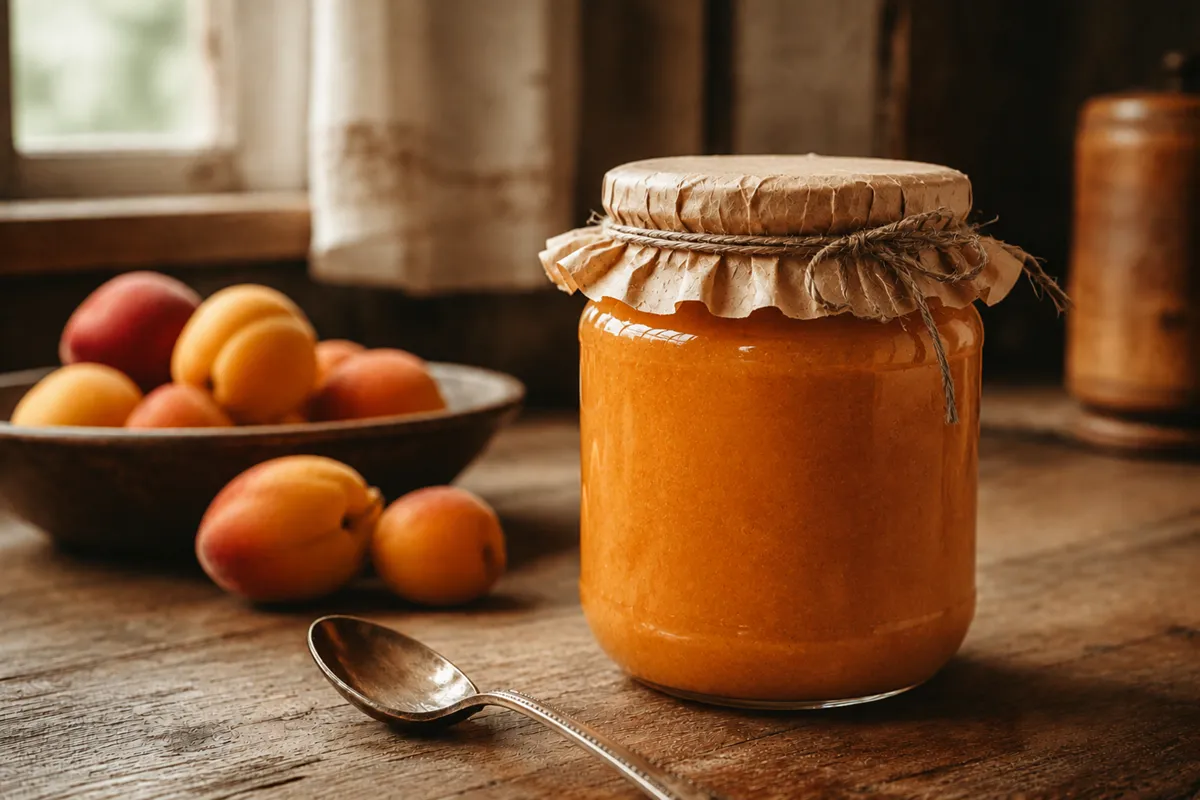
Whipped Apricot or Peach Preserve (No-Cook)
A silky, pale fruit spread made by whipping raw apricot or peach puree with sugar - no cooking required.
Historical recipe
Modernised adaptation of an early 20th‑century source. Not independently kitchen-tested by Attic Recipes. Quantities, temperatures, and food safety guidance have been updated for a contemporary kitchen — results may vary and errors may exist. Nutritional values, where provided, are estimates only and have not been laboratory tested. Always follow current food safety guidelines for your region. If you have a health condition, allergy, or dietary requirement, consult a qualified professional before preparing this recipe.
Use of this recipe is entirely at your own risk and subject to our Terms of Service and Privacy Policy. Attic Recipes accepts no liability for any adverse outcome.
Additional notes
-
Warning
This preserve is not cooked before jarring. Sterilize jars in a boiling water bath before filling, and process the filled, sealed jars for an additional 20 minutes to reduce mold and spoilage risk. Refrigerate after opening and use within a few days. Pregnant women, children under 18, the elderly, and immunocompromised individuals should be especially cautious with inadequately processed preserves.
- 1
Peel 1kg ripe apricots or peaches and press through a fine hair sieve until smooth.
- 2
Add 1kg fine granulated sugar to the puree and mix vigorously with a clean wooden spoon, off the heat, until the mixture turns pale and thick.
Tip This is a mechanical, unheated process — the pale color and thickness come from air incorporation and sugar dissolving into the fruit, not from cooking. Do not place over heat. - 3
Sterilize jars in a boiling water bath for 15 minutes before filling.
Tip Because this preserve is never heated during preparation, jar sterilization is essential for safety, not optional. - 4
Ladle the whipped puree into the sterilized jars, leaving a small gap at the top.
- 5
Sprinkle the surface of the puree in each jar with a finger-thick layer (about 1cm) of the remaining 100g fine sugar as a protective barrier against mold.
- 6
Cover each jar with a round of parchment paper and tie securely with kitchen string.
- 7
Process the filled, tied jars in a boiling or steaming water bath for 20 minutes to seal and reduce spoilage risk.
Tip 74°C internal temperature is not the relevant target here since no protein or raw egg is involved — the water bath processing time is what matters for safe sealing. - 8
Cool completely, label, and store in a cool, dark place.
Nutrition Information per 1 tbsp (approx 30g)
Nutritional values are approximate estimates and may vary based on specific ingredients used, preparation methods, and portion sizes.
Serving Suggestions
Serve as a spread on fresh bread or pastry, or stirred into plain yogurt.
About This Recipe
Not every fruit preserve of the early 20th century relied on the stovetop. This whipped apricot or peach preserve is built entirely by hand — ripe fruit is pressed to a silky puree, then beaten with sugar until it pales and thickens, with no heat involved at any stage of mixing. The result is closer to a fruit butter than a classic cooked jam: lighter in color, softer in texture, and distinctly different from anything reduced over a flame.
The technique rewards patience rather than precision. There’s no reduction to watch or sugar stage to test — just steady mixing until the fruit and sugar transform into something pale, glossy, and thick enough to hold a spoon upright.
Why It Works
Sugar dissolving into raw fruit pulp under vigorous mixing does two things at once: it draws out and binds the fruit’s natural moisture, and it incorporates air into the mixture, which is what produces the pale color and increased volume. Since there’s no cooking to evaporate water or caramelize sugars, the final texture and flavor stay much closer to fresh fruit than a traditional jam.
Because the mixture is never heated, jarring technique carries more of the food-safety burden than usual — proper sterilization and sealing are what make this preserve safe to store, not the process of cooking it.
Modern Kitchen Tips
Use a stand mixer with a paddle attachment if hand-mixing for an extended period isn’t practical — the goal is the same pale, thick result. Choose fully ripe, unblemished fruit, since there’s no cooking step to mask underripe flavor or soften texture. Store finished jars in a cool, dark pantry, and once opened, keep refrigerated.
A classic of early 20th century home cooking, preserved and adapted for the modern kitchen.
The Story Behind This Recipe
Historical Context
Early 20th century recipes for this preserve typically called for whipping raw fruit puree with sugar by hand until pale and thick, without any cooking step. Steaming the filled jars afterward was treated as an optional extra measure for households that wanted added assurance, rather than a required step.
Modern Kitchen Adaptation
Because this preserve is never cooked, modern food safety practice requires sterilizing jars before filling and processing the sealed, filled jars in a boiling water bath afterward — both steps are treated as mandatory here rather than optional, unlike the original approach. Jar size (350–400ml) and the quantity of the protective top sugar layer (about 20g per jar) are estimated, since the original gave only a descriptive finger-width measure.
This recipe is an independent modern adaptation developed from historical sources in the public domain. It is provided for informational and educational purposes only and does not constitute professional dietary, nutritional, or medical advice. Food preparation involves inherent risks. The reader assumes full responsibility for safe food handling, ingredient sourcing, and adherence to current local food safety guidelines. The site operator accepts no liability for outcomes resulting from the preparation or consumption of this recipe.
One recipe.
Every week.
You Might Also Like
More recipes from the same category
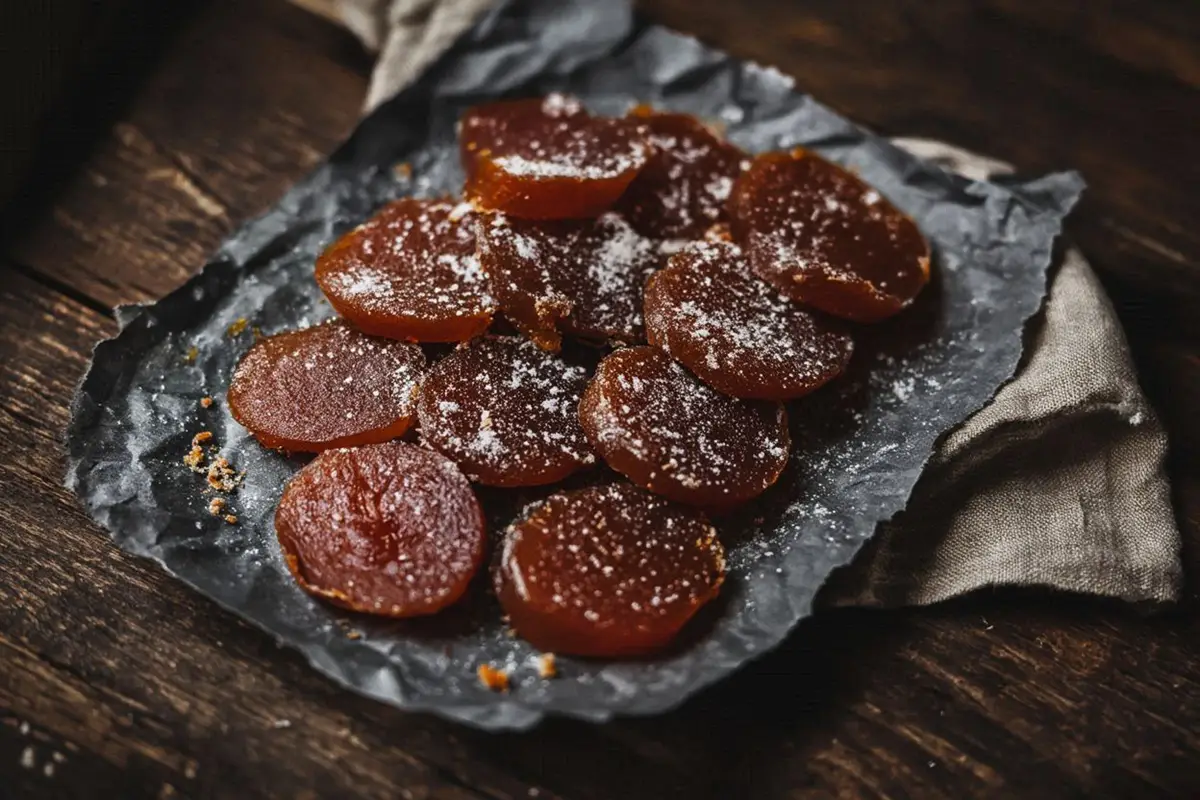
Apricot Fruit Paste
Sieved ripe apricots cooked with equal weight sugar and lemon juice, poured into molds and air-dried — from early 20th century Central European kitchens.
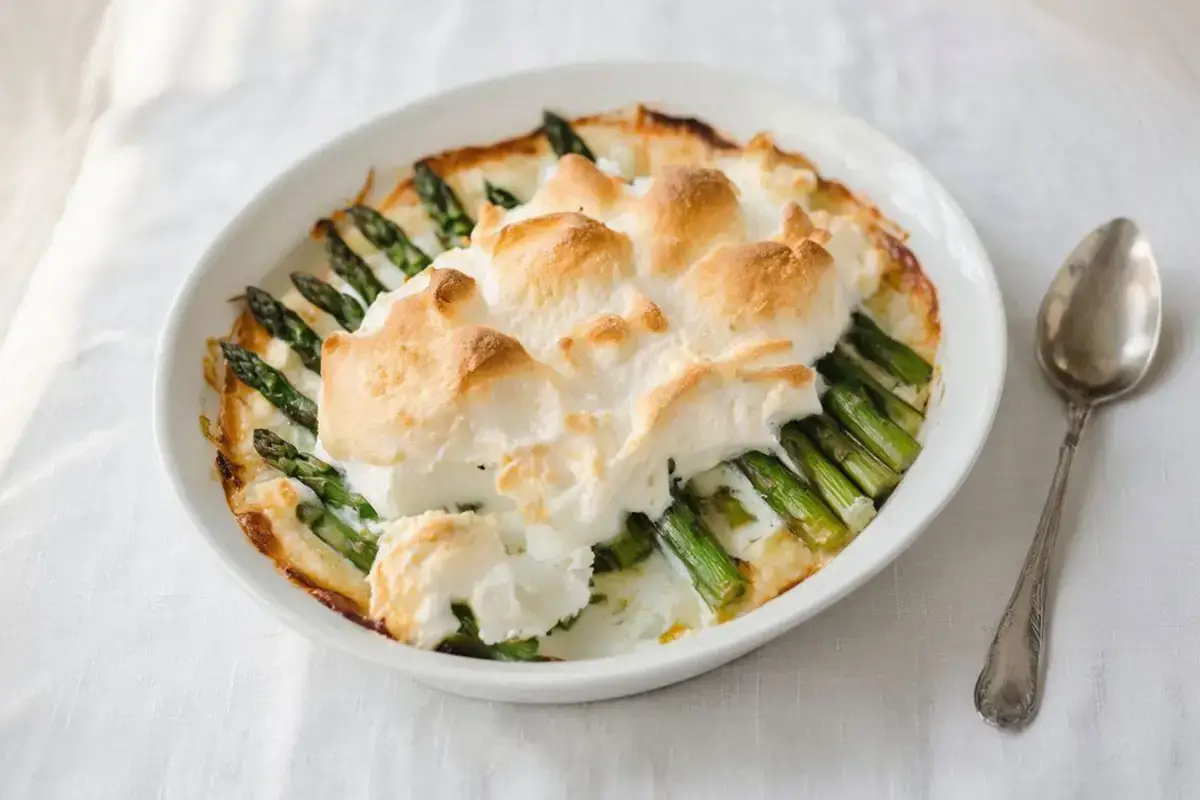
Asparagus Venetian Style
Fresh asparagus baked under a rich egg yolk cream sauce and a golden meringue-cheese topping. An elegant Central European appetizer.
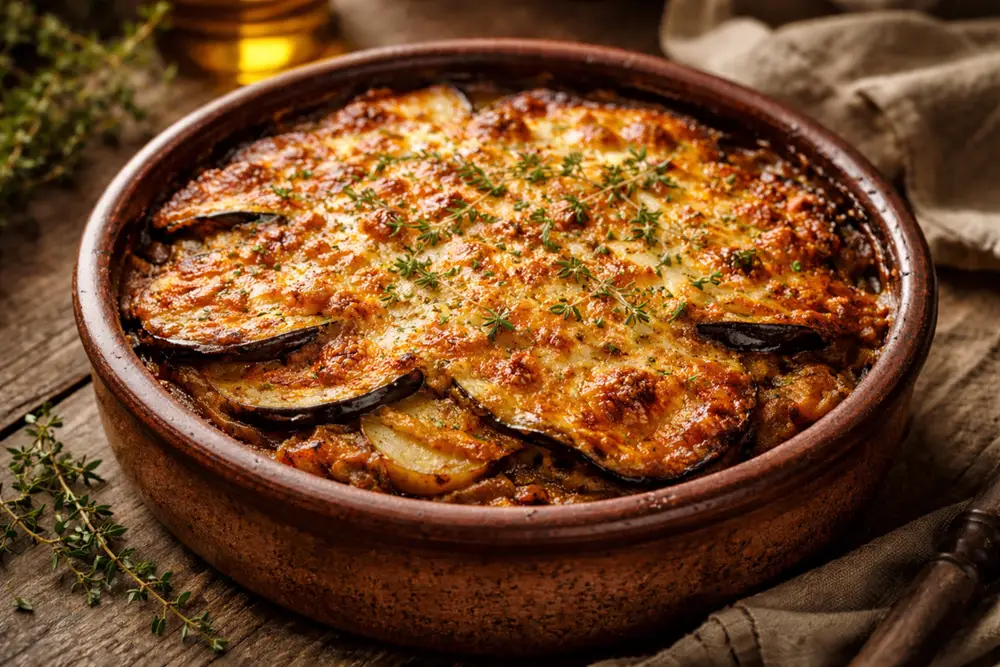
Baked Eggplant with Potatoes
A slow-baked layered casserole of eggplant, parboiled potatoes, golden fried onion, and melted cheese.