Sardine Pâté
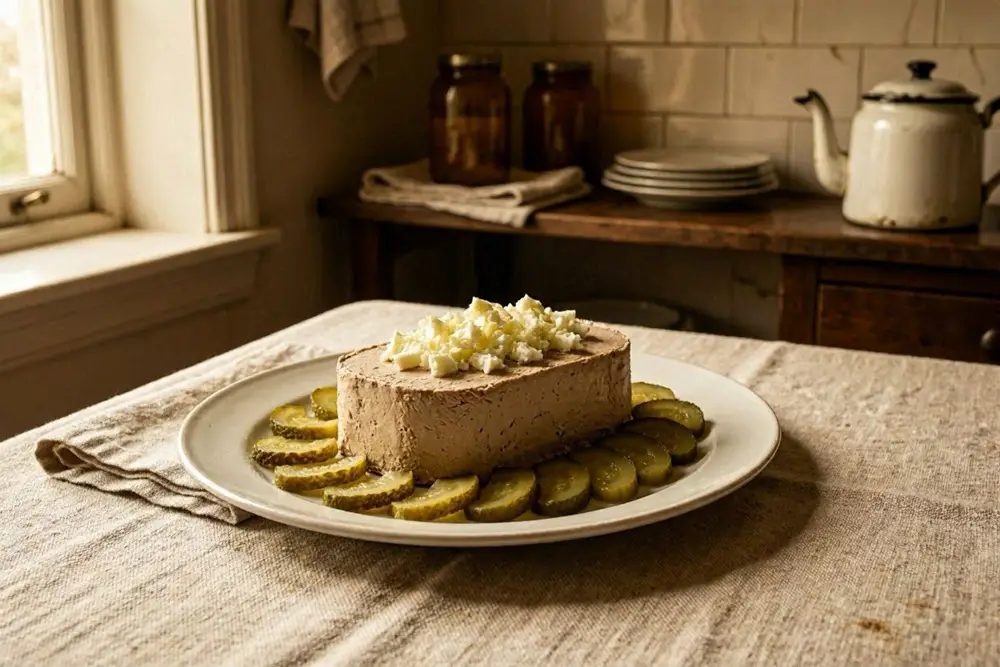
A rich, emulsified sardine spread enriched with boiled egg yolks and butter, garnished with chopped egg whites and pickles.
Quick Summary
A rich, emulsified sardine spread enriched with boiled egg yolks and butter, garnished with chopped egg whites and pickles.
Historical recipe
Modernised adaptation of an early 20th‑century source. Not independently kitchen-tested by Attic Recipes. Quantities, temperatures, and food safety guidance have been updated for a contemporary kitchen — results may vary and errors may exist. Nutritional values, where provided, are estimates only and have not been laboratory tested. Always follow current food safety guidelines for your region. If you have a health condition, allergy, or dietary requirement, consult a qualified professional before preparing this recipe.
Use of this recipe is entirely at your own risk and subject to our Terms of Service and Privacy Policy. Attic Recipes accepts no liability for any adverse outcome.
- Fish
- Eggs
- Dairy
Additional notes
-
Note
This dish contains canned fish and pickled vegetables, which can be high in sodium. Individuals managing high blood pressure, pregnant women, and elderly people may wish to consume smaller portions or look for lower-sodium sardines and pickles.
- 1
Drain the sardines and remove any remaining skin or bones. Mash them well with a fork until smooth.
- 2
Gradually whisk in the olive oil (50ml), adding it drop by drop as if making mayonnaise, until the sardine mixture becomes smooth and emulsified.
- 3
In a separate bowl, combine the softened butter with the 3 boiled egg yolks, the salt, and the black pepper. Beat until light and foamy.
- 4
Add the finely chopped onion to the butter and yolk mixture.
- 5
Fold the butter and yolk mixture into the sardine mixture, combining thoroughly. If the mixture is too thick, add a little more olive oil and the lemon juice to loosen it.
- 6
Shape the pâté into an oblong mound on a serving plate.
- 7
Finely chop the reserved boiled egg whites and sprinkle them over the top of the pâté.
- 8
Cover and refrigerate for at least 30 minutes to allow the pâté to firm up and the flavors to meld.
- 9
Arrange the thinly sliced pickled gherkins around the pâté and serve.
Nutrition Information per 1 portion (approx. 50g)
Nutritional values are approximate estimates and may vary based on specific ingredients used, preparation methods, and portion sizes.
Serving Suggestions
Serve chilled on slices of toasted bread, crusty rolls, or crackers. Pairs well with a simple green salad.
About This Recipe
This sardine pâté turns a simple tin of fish into something that feels surprisingly elegant. By emulsifying good-quality oil into the mashed sardines, much like building a mayonnaise, the texture becomes smooth and spreadable rather than chunky or oily. The addition of hard-boiled egg yolks, beaten into softened butter, adds richness and helps bind everything into a cohesive paste.
It’s a dish built for minimal effort: no stovetop work beyond boiling a few eggs, yet the result looks and tastes like something from a much more involved kitchen. The contrast between the rich, savory pâté and the sharp bite of pickled gherkins makes it a satisfying small plate or starter.
Why It Works
The slow addition of oil into the mashed sardines creates a stable emulsion, similar to mayonnaise, which gives the pâté its silky texture and helps it hold its shape when plated. Cooked egg yolks contribute additional fat and a smooth, slightly mineral richness, while the chopped egg whites on top provide textural contrast and a clean, visual finish. The acidity from the lemon juice and the pickles cuts through the richness of the butter and oil, keeping the dish from feeling heavy.
Modern Kitchen Tips
Use sardines packed in olive oil for the best flavor, and don’t discard that oil entirely — a small amount can be incorporated into the pâté for extra depth. If the mixture seems too firm after combining, loosen it gradually with a little more oil or a splash of lemon juice rather than adding both at once. For a smoother, more spreadable consistency, the pâté can be blended briefly in a food processor, though the traditional fork-mashed texture gives it a more rustic character.
A classic of early 20th century home cooking, preserved and adapted for the modern kitchen.
The Story Behind This Recipe
Historical Context
Fish pâtés of this kind were a common cold appetizer in early 20th century households, valued for using preserved or canned fish to create an elegant dish with minimal cooking. The technique of slowly working oil into mashed fish, much like a mayonnaise, was a familiar method for home cooks of the period, who often relied on this emulsification to stretch a small amount of fish into a richer spread. Hard-boiled eggs were a practical way to add body and visual contrast, with the yolks enriching the paste and the whites used as a simple garnish.
Modern Kitchen Adaptation
The original instructions did not specify exact quantities for the oil, butter, eggs beyond the count, onion measurement beyond a half, salt, pepper, lemon juice, or pickles, so these have been estimated based on standard proportions for a 4-6 serving pâté, with the oil quantity calibrated to avoid over-thinning the small amount of fish. The can size for the sardines has also been estimated at approximately 90g drained weight, reflecting a typical small tin. No changes were made to the core technique, as the cold-preparation method using cooked egg yolks poses no food safety concerns.
This recipe is an independent modern adaptation developed from historical sources in the public domain. It is provided for informational and educational purposes only and does not constitute professional dietary, nutritional, or medical advice. Food preparation involves inherent risks. The reader assumes full responsibility for safe food handling, ingredient sourcing, and adherence to current local food safety guidelines. The site operator accepts no liability for outcomes resulting from the preparation or consumption of this recipe.
One recipe.
Every week.
You Might Also Like
More recipes you'll enjoy
Grilled Stuffed Trout
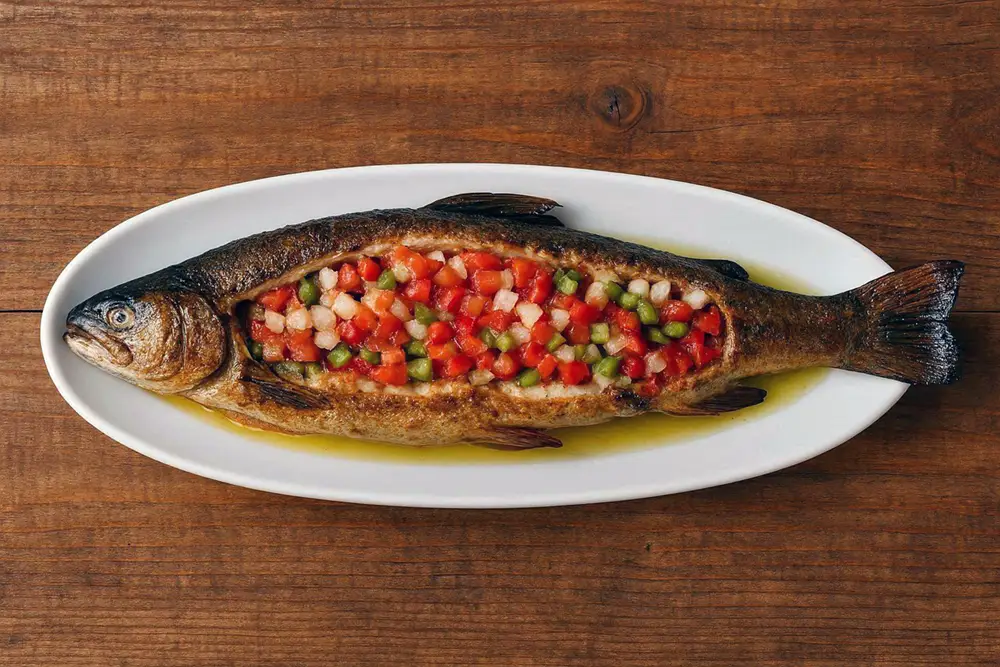
Whole grilled trout, deboned at the table, packed with a raw vegetable filling and finished with a pour of boiling oil and fresh lemon juice.
Mashed Broad Beans with Salted Herring
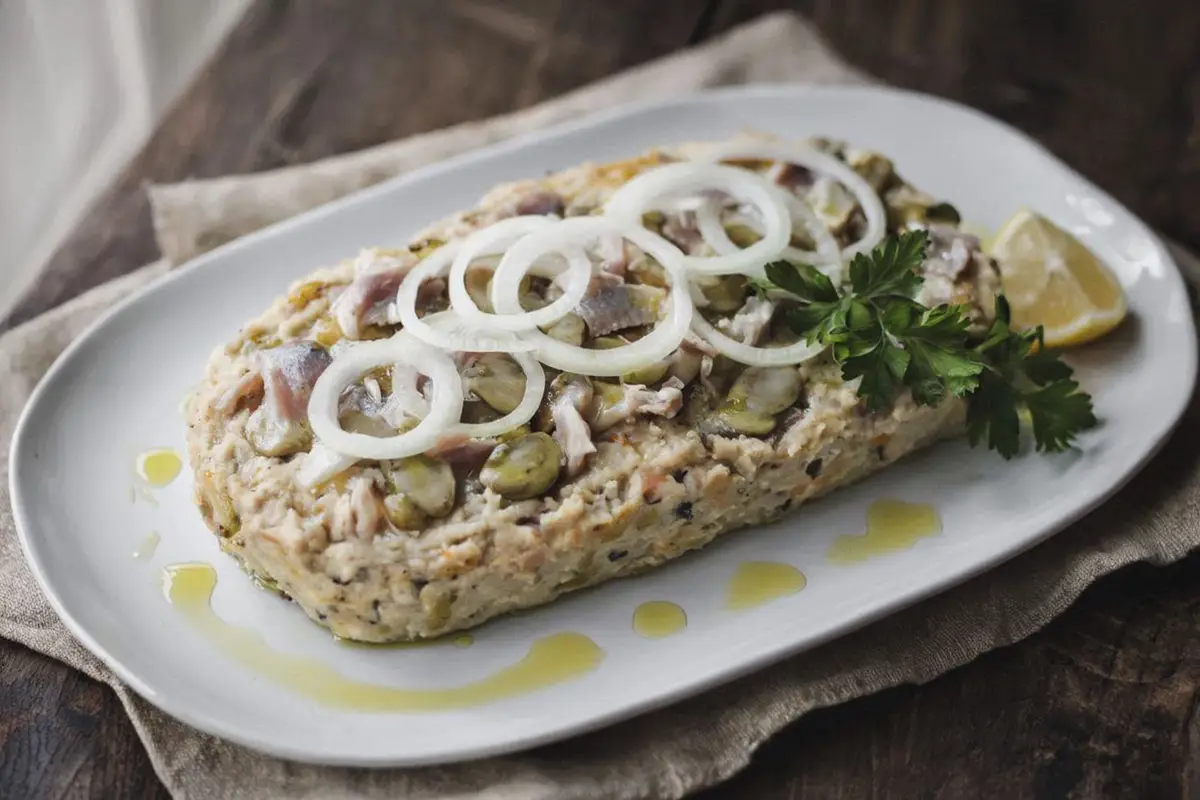
A bold Central European appetizer of pureed broad beans and finely chopped salted herring, shaped into a savory loaf and finished with oil and lemon.
Goose Liver Pudding
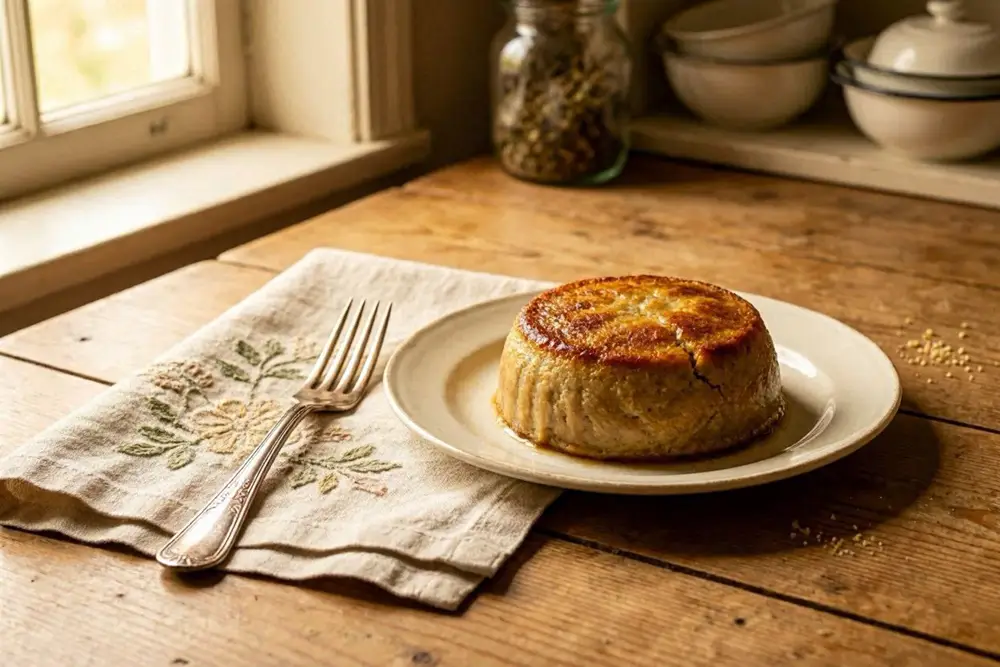
A light, soufflé-textured baked pudding made with pureed goose liver, egg yolks, and stiffly beaten egg whites.