Fig Jam with Almonds or Walnuts
Ripe figs slowly reduced and sweetened, finished with vanilla sugar and finely chopped nuts for a rich, spoonable preserve.
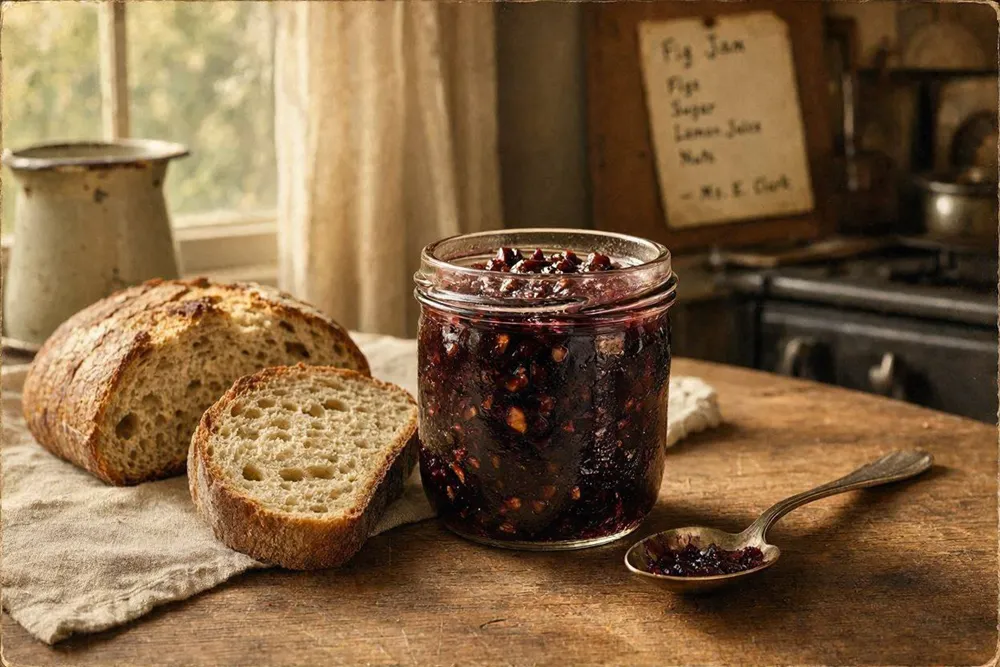
Historical recipe
Modernised adaptation of an early 20th‑century source. Not independently kitchen-tested by Attic Recipes. Quantities, temperatures, and food safety guidance have been updated for a contemporary kitchen — results may vary and errors may exist. Nutritional values, where provided, are estimates only and have not been laboratory tested. Always follow current food safety guidelines for your region. If you have a health condition, allergy, or dietary requirement, consult a qualified professional before preparing this recipe.
Use of this recipe is entirely at your own risk and subject to our Terms of Service and Privacy Policy. Attic Recipes accepts no liability for any adverse outcome.
- Tree Nuts
Additional notes
-
Warning
This preserve must be sealed in properly sterilized jars and processed in a boiling water bath to prevent spoilage and reduce the risk of botulism, particularly important for anyone preparing food for pregnant women, young children, the elderly, or immunocompromised individuals.
If you prefer not to can the jam for long-term storage, it can instead be refrigerated immediately after cooking and used within 3-4 weeks.
- 1
Peel the 1kg figs and grind them to a coarse paste using a meat grinder or food processor.
- 2
Place the ground fig paste in a clean, heavy-bottomed pot. Set over medium heat and cook, stirring constantly, until the water released by the figs has largely evaporated and the mixture has visibly reduced and thickened.
- 3
Once reduced, stir in the 600g sugar. Continue cooking over medium-low heat, stirring constantly, until the jam thickens to a spreadable consistency.
- 4
Remove from the heat. Stir in the 8g vanilla sugar and the 150g finely chopped almonds or walnuts.
- 5
Ladle the hot jam into jars that have been sterilized by boiling for 10 minutes. Fill to just below the rim, wipe the rims clean, and seal with sterilized lids.
- 6
Process the sealed, filled jars in a boiling water bath for 10 minutes to ensure a proper seal and safe shelf storage.
- 7
Let the jars cool completely undisturbed, then check that the lids have sealed (the center should not flex when pressed). Store in a cool, dark place.
Nutrition Information per 1 tablespoon (approx 20g)
Nutritional values are approximate estimates and may vary based on specific ingredients used, preparation methods, and portion sizes.
Serving Suggestions
Spread on warm bread or toast, spooned over soft cheese, or served alongside roasted meats as a sweet-savory accompaniment.
About This Recipe
Fig jam sits somewhere between a preserve and a dessert — the fruit reduces down into something dense and almost caramelized, and the chopped nuts stirred in at the end give it a texture you don’t get from a smooth, strained jam. It’s a straightforward preserve, but one where the order of operations matters more than it might seem.
Adding sugar too early, before the fruit has had a chance to release and cook off its own water, is one of the most common mistakes with fruit preserves of this style — and it’s an easy one to avoid once you know to watch for it.
Why It Works
Figs are mostly water, and that water needs somewhere to go before sugar enters the picture. Cooking the ground fruit down first lets that water evaporate freely; once sugar is added, it binds to the remaining water and makes further evaporation much slower, which is exactly why the two-stage approach — reduce first, sweeten second — produces a properly thickened jam instead of a thin, runny one that never quite sets.
The higher sugar ratio isn’t just about sweetness, either. At this concentration, sugar lowers the water activity of the finished jam enough to make it genuinely shelf-stable once properly sealed.
Modern Kitchen Tips
A food processor works just as well as a meat grinder for the initial fig paste — pulse rather than puree fully, so a little texture remains. If your figs are especially ripe and juicy, the initial reduction step may take a little longer than 20 minutes; just watch for the mixture to visibly thicken and stop looking watery before adding the sugar.
A classic of early 20th century home cooking, preserved and adapted for the modern kitchen.
The Story Behind This Recipe
Historical Context
Period recipes for fig preserves of this kind typically called for a smaller proportion of sugar than is used today — often close to a 1:2 sugar-to-fruit ratio by weight, rather than the higher amounts modern preservation standards call for. The traditional approach also added the sugar to the fruit from the very start of cooking. Home cooks of the period finished the preserve with vanilla sugar and a handful of finely chopped nuts stirred in off the heat.
Modern Kitchen Adaptation
The sugar quantity has been raised to 600g per 1kg of fruit (up from a lower amount in the original), which is the minimum needed for safe, shelf-stable preservation — anything lower increases the risk of mold or fermentation in a sealed jar. The cooking method has also been restructured: rather than adding sugar to the raw fruit at the start, the figs are now reduced on their own first, with sugar added only once most of their water content has cooked off. Adding sugar too early can prevent the fruit from reducing properly and risks scorching. The nut quantity, unclear in the original, has been set at 150g based on the batch size. Sterilization and water-bath processing steps have been added, since the original did not specify a method for sealing the jars for storage.
This recipe is an independent modern adaptation developed from historical sources in the public domain. It is provided for informational and educational purposes only and does not constitute professional dietary, nutritional, or medical advice. Food preparation involves inherent risks. The reader assumes full responsibility for safe food handling, ingredient sourcing, and adherence to current local food safety guidelines. The site operator accepts no liability for outcomes resulting from the preparation or consumption of this recipe.
One recipe.
Every week.
You Might Also Like
More recipes from the same category
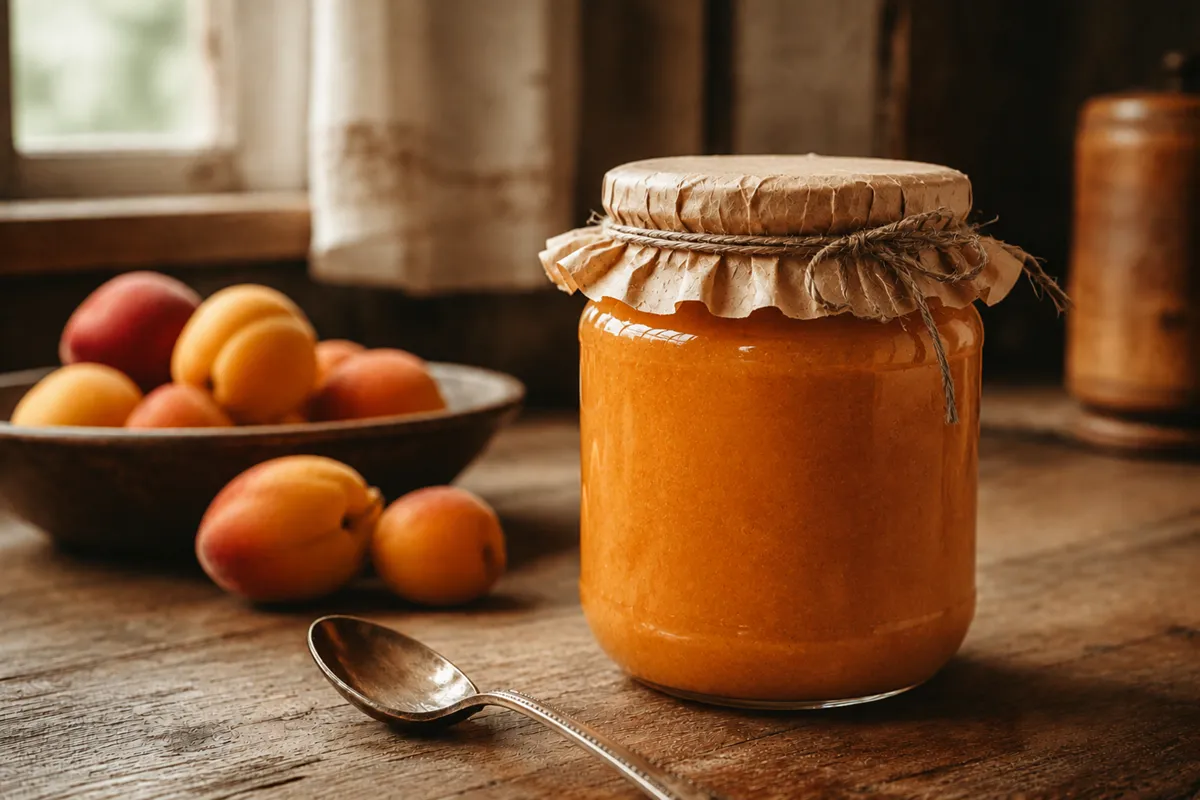
Whipped Apricot or Peach Preserve (No-Cook)
A silky, pale fruit spread made by whipping raw apricot or peach puree with sugar - no cooking required.
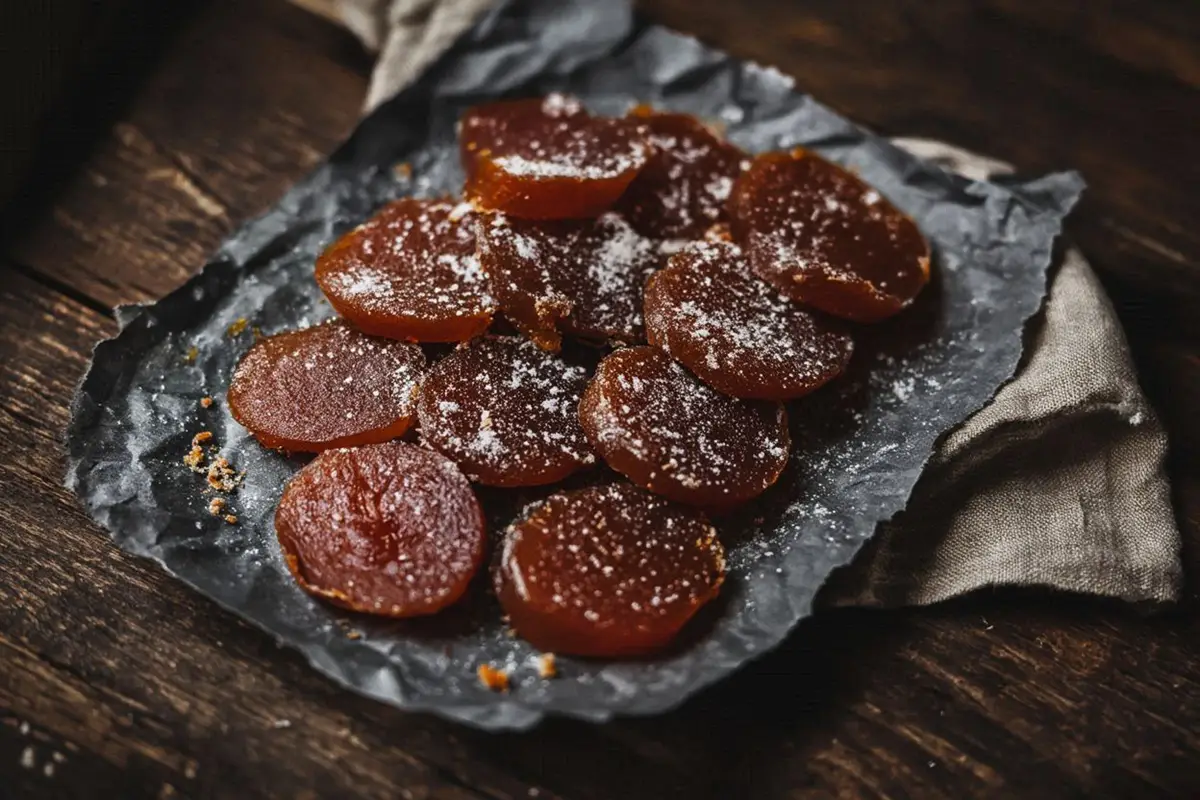
Apricot Fruit Paste
Sieved ripe apricots cooked with equal weight sugar and lemon juice, poured into molds and air-dried — from early 20th century Central European kitchens.
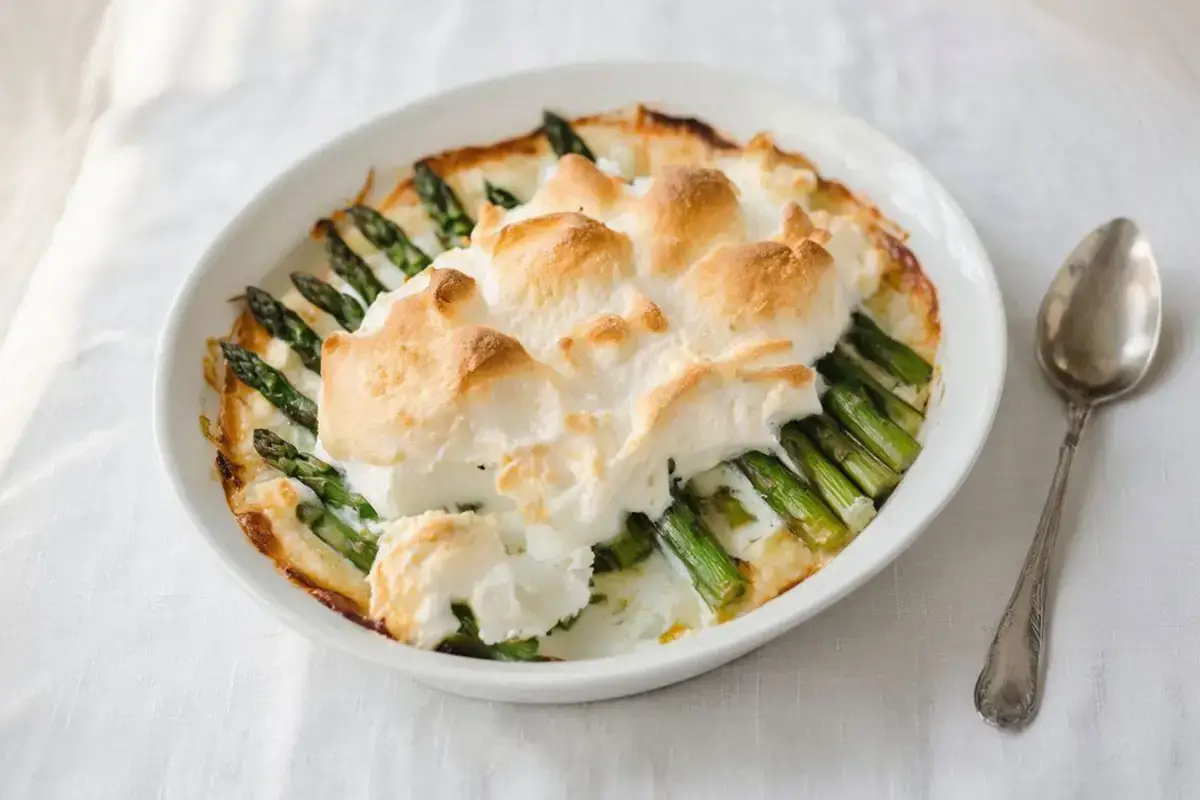
Asparagus Venetian Style
Fresh asparagus baked under a rich egg yolk cream sauce and a golden meringue-cheese topping. An elegant Central European appetizer.