Fermented Shredded Cabbage (Kiseli Kupus Ribanac)
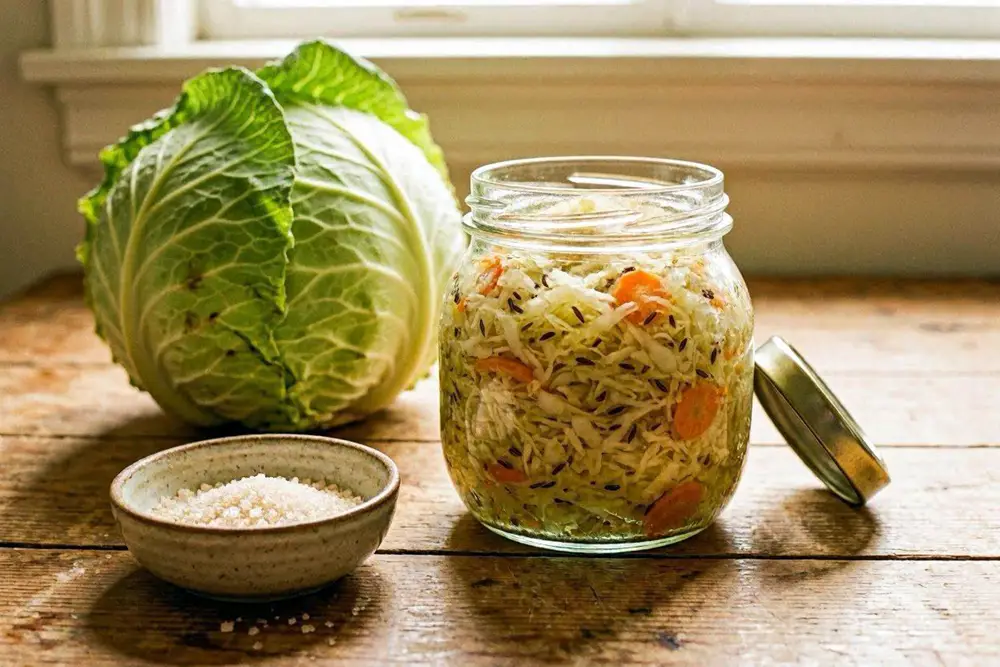
Traditional lacto-fermented shredded cabbage with carrot, apple, and caraway seed — packed into a jar and left to ferment in its own brine for two weeks.
Historical recipe
Modernised adaptation of an early 20th‑century source. Not independently kitchen-tested by Attic Recipes. Quantities, temperatures, and food safety guidance have been updated for a contemporary kitchen — results may vary and errors may exist. Nutritional values, where provided, are estimates only and have not been laboratory tested. Always follow current food safety guidelines for your region. If you have a health condition, allergy, or dietary requirement, consult a qualified professional before preparing this recipe.
Use of this recipe is entirely at your own risk and subject to our Terms of Service and Privacy Policy. Attic Recipes accepts no liability for any adverse outcome.
Additional notes
-
Warning
Lacto-fermentation is a living process. Discard the entire batch if you observe pink, red, black, or fuzzy mold at any point — do not attempt to salvage by removing the affected area. White foam on the surface is normal and harmless; skim it off with a clean spoon. Ensure the cabbage remains fully submerged below the brine at all times — any vegetable matter exposed to air is at risk of mold growth.
-
Warning
Do not use iodized salt. Iodine inhibits the Lactobacillus bacteria essential for safe lacto-fermentation and will result in a failed or unsafe batch. Use only non-iodized fine salt or canning salt.
-
Note
This recipe is high in sodium. Individuals on sodium-restricted diets should be aware that a single 80g serving contains approximately 310mg of sodium. Rinsing the fermented cabbage before serving reduces sodium content significantly.
-
Note
Fermented foods contain live bacteria cultures. While these are the same Lactobacillus strains used in yogurt and other fermented dairy products, individuals with compromised immune systems should consult a physician before consuming unpasteurized fermented vegetables.
- 1
Remove and discard the outer leaves of the cabbage. Quarter the heads, remove the core, and shred finely on a mandoline or box grater — aim for strips approximately 2–3mm wide. Weigh the shredded cabbage after grating: you need exactly 2000g. Adjust if needed.
Tip Consistent thickness matters. Unevenly shredded cabbage ferments at different rates — very thick pieces may remain crunchy and under-fermented while thin pieces are ready. - 2
Place the shredded cabbage in a large bowl. Add all 40g of salt. Using clean hands, massage and squeeze the cabbage firmly for 8–10 minutes until it releases a significant amount of liquid and visibly softens. The cabbage should feel wet and limp, and a good handful squeezed tightly should release a stream of juice.
Tip Do not rush this step. The more liquid you draw out now, the more natural brine you will have in the jar, and the better the fermentation environment. - 3
Add the carrot rounds, apple slices, and caraway seeds to the bowl. Mix well to distribute evenly through the cabbage.
- 4
Sterilize your jar or fermentation crock: wash thoroughly with hot soapy water, rinse well, then fill with boiling water and let stand for 5 minutes. Drain and allow to cool.
- 5
Pack the cabbage mixture into the jar in layers, pressing each layer down firmly with a wooden tamper or the end of a rolling pin before adding the next. Pack as tightly as possible — you are forcing out air pockets and encouraging the brine to rise above the cabbage. Leave at least 4–5cm of headspace at the top of the jar.
Tip The brine must cover the cabbage completely. If it does not rise to cover everything after packing, set the jar aside for 1 hour — the salt will continue drawing liquid. If still not covered after 24 hours, add the emergency brine. - 6
Place a fermentation weight directly on top of the packed cabbage to keep it submerged below the brine. Alternatively, fill a zip-lock bag with 2% brine (10g salt per 500ml water), seal tightly, and place it on top of the cabbage as a flexible weight that conforms to the jar shape.
- 7
Cover the jar loosely with a clean cotton cloth or muslin secured with a rubber band. Do not seal airtight — fermentation produces CO₂ gas that must escape. Place the jar in a cool, dark location at approximately 18–22°C.
Tip Avoid placing the jar in direct sunlight or near a heat source. Warmer temperatures (above 22°C) accelerate fermentation but reduce complexity of flavor and increase the risk of off-flavors. Cooler temperatures slow fermentation and develop a more complex, pleasantly sour result. - 8
Check the jar daily. Press the cabbage down if it has risen above the brine. After 2–3 days, you will see bubbles forming — this is CO₂ from active lacto-fermentation and is a good sign. Rinse the cloth every 7 days for the first 3 weeks, then less frequently.
Tip Skim off any white foam that forms on the surface — this is normal yeast activity. White foam is harmless; discard it with a clean spoon. Pink, black, or fuzzy mold means the batch has been compromised and should be discarded. - 9
The cabbage is ready to taste after 14 days. At this point it will be mildly sour and crunchy. For a more developed, fully sour flavor, continue fermenting for 3–4 weeks total, tasting every few days. When the sourness is to your liking, seal the jar and transfer to the refrigerator or a cold cellar (below 10°C) to halt further fermentation.
Nutrition Information per 1 portion (approx 80g)
Nutritional values are approximate estimates and may vary based on specific ingredients used, preparation methods, and portion sizes.
Serving Suggestions
Serve cold or at room temperature as a side dish alongside roasted meats, sausages, or bean dishes. Also used as a base for čorba od kiselog kupusa (sour cabbage soup) or as a filling for pastry. Keeps refrigerated in a sealed jar for up to 3 months after fermentation is complete. The brine is edible and flavorful — use it in dressings or drink it as a traditional tonic.
About This Recipe
Every autumn, before the first frost, Central European households put up their winter supply of fermented cabbage. It was not a recipe in the modern sense — it was a seasonal ritual, as fixed in the calendar as harvesting itself. The method was consistent across generations: shred the cabbage, salt it, pack it down hard, weight it, and wait. What happens in the jar over the following weeks is one of the oldest food preservation techniques known — lacto-fermentation, driven entirely by salt, pressure, and the bacteria that live naturally on the surface of fresh cabbage leaves.
This recipe follows the original method closely, scaling it to a single 3–4L jar. Carrot rounds, tart apple slices, and caraway seeds were the standard additions in the Central European tradition — the carrot adds color and a small amount of sugar to feed the fermentation, the apple contributes acidity and a subtle sweetness that rounds the final flavor, and the caraway is the aromatic signature of this particular regional style. None of these are optional flavoring; they are part of the technique.
The result after two to four weeks is a crunchy, pleasantly sour fermented vegetable that keeps for months in a cool place. It is one of the most forgiving preserves to make, requiring almost no equipment, no heat, and no specialist knowledge — only patience and attention to the one non-negotiable rule: keep the cabbage below the brine.
Why It Works
Lacto-fermentation is driven by Lactobacillus bacteria — microorganisms that live naturally on the surface of fresh cabbage leaves. In the presence of salt, these bacteria produce lactic acid, which progressively acidifies the brine and creates an environment hostile to harmful pathogens. The process is self-regulating: as the pH drops, conditions favor the acid-tolerant Lactobacillus strains and suppress competing microorganisms.
Salt serves two functions here. First, it draws water out of the cabbage cells through osmosis, creating the brine that submerges the vegetable and provides the fermentation medium. Second, it controls the rate and safety of fermentation — too little salt (below approximately 1.5% by weight) and fermentation proceeds too fast, favoring unwanted microorganisms; too much (above 3%) and the Lactobacillus bacteria are suppressed. The 2% ratio used here is the established safe and effective concentration for vegetable lacto-fermentation.
The caraway seeds contribute more than flavor. Caraway contains carvone and limonene, both of which have mild antimicrobial properties that complement the salt in creating a selective fermentation environment. The apple’s malic acid contributes additional acidity to the early fermentation stage, before the Lactobacillus bacteria have had time to produce sufficient lactic acid on their own.
Modern Kitchen Tips
Weight is everything in this recipe. The single most common cause of failed fermentation is cabbage that floats above the brine and becomes exposed to air. A zip-lock bag filled with 2% brine makes an excellent flexible weight — it conforms exactly to the jar opening, leaves no gaps, and if it leaks, it adds correctly salted brine rather than diluting the existing brine with plain water.
Glass is the right material for the fermentation vessel. Ceramic crocks are traditional and work well; food-grade plastic is acceptable for short fermentations. Avoid metal — lactic acid will react with most metals and affect both flavor and safety.
Temperature has a significant effect on fermentation speed and flavor. At 18–20°C, the process takes approximately three to four weeks and produces a complex, well-rounded sourness. At 22–24°C, it will be ready in two weeks but with a sharper, less nuanced flavor. Below 15°C, fermentation slows dramatically — useful for extending the process intentionally, but not for getting started.
A classic of early 20th century home preserving, preserved and adapted for the modern kitchen.
The Story Behind This Recipe
Historical Context
Early 20th century Central European households put up large quantities of fermented cabbage each autumn — enough to last through the winter months when fresh vegetables were unavailable. The traditional method used a wooden barrel, layers of shredded cabbage alternating with salt, carrot rounds, apple slices, and caraway, pressed down with a wooden pestle and weighted with a pine cross and a heavy river stone. Pine wood (čamovina) was the practical choice for the cross — it was cheap, readily available, lightweight enough to handle easily, and sufficiently neutral in flavor not to affect the fermenting brine. A clean white cloth laid under the weight collected the foam of active fermentation and was washed every seventh day. Whole heads of cabbage were often layered in alongside the shredded ribanac, providing leaves for sarma (stuffed cabbage rolls) later in the winter — the shredded cabbage provided the brine and the fermentation environment that the whole heads needed to pickle evenly. The ribanac itself was never transferred to a new vessel during fermentation.
Modern Kitchen Adaptation
The barrel and river stone have been replaced by a wide-mouth glass jar and a fermentation weight or brine-filled zip-lock bag — both achieve the same function of keeping the cabbage submerged. The pine cross cloth method is replaced by a muslin cover that allows CO₂ to escape while keeping dust and insects out. The whole cabbage heads traditionally layered in with the ribanac are not included in this scaled recipe — whole heads require a larger vessel (a small food-grade plastic barrel is the practical modern equivalent) and are typically prepared separately for use as sarma leaves. Non-iodized salt is essential: iodine is antimicrobial and directly inhibits the Lactobacillus bacteria responsible for lacto-fermentation. Standard iodized table salt will produce an inferior or failed fermentation.
This recipe is an independent modern adaptation developed from historical sources in the public domain. It is provided for informational and educational purposes only and does not constitute professional dietary, nutritional, or medical advice. Food preparation involves inherent risks. The reader assumes full responsibility for safe food handling, ingredient sourcing, and adherence to current local food safety guidelines. The site operator accepts no liability for outcomes resulting from the preparation or consumption of this recipe.
One recipe.
Every week.
You Might Also Like
More recipes from the same category
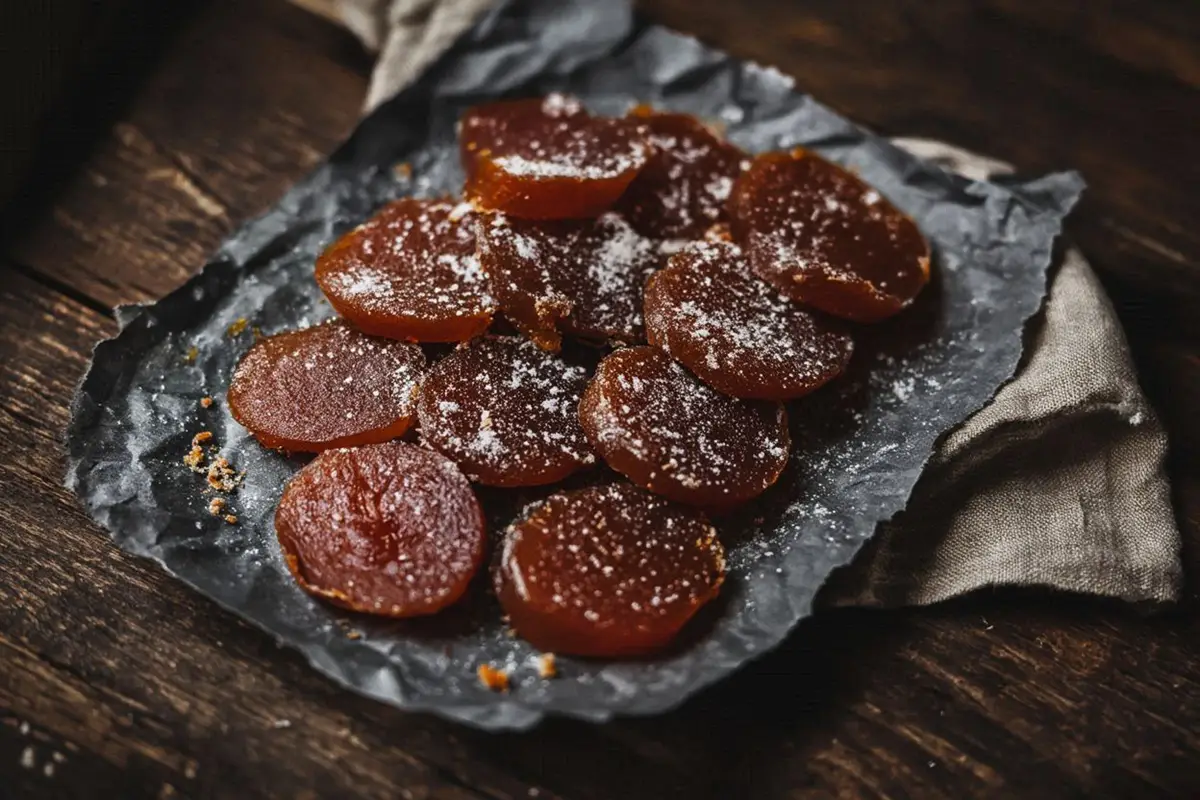
Apricot Fruit Paste
Sieved ripe apricots cooked with equal weight sugar and lemon juice, poured into molds and air-dried — from early 20th century Central European kitchens.
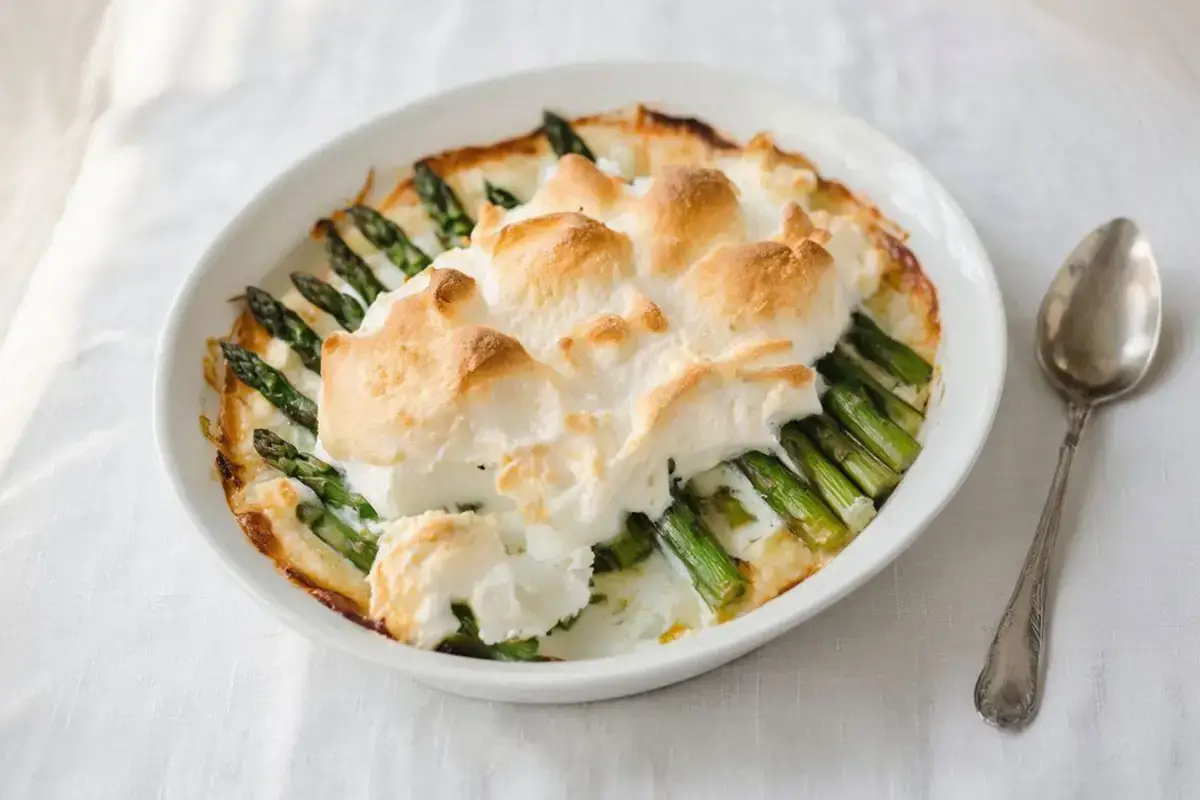
Asparagus Venetian Style
Fresh asparagus baked under a rich egg yolk cream sauce and a golden meringue-cheese topping. An elegant Central European appetizer.
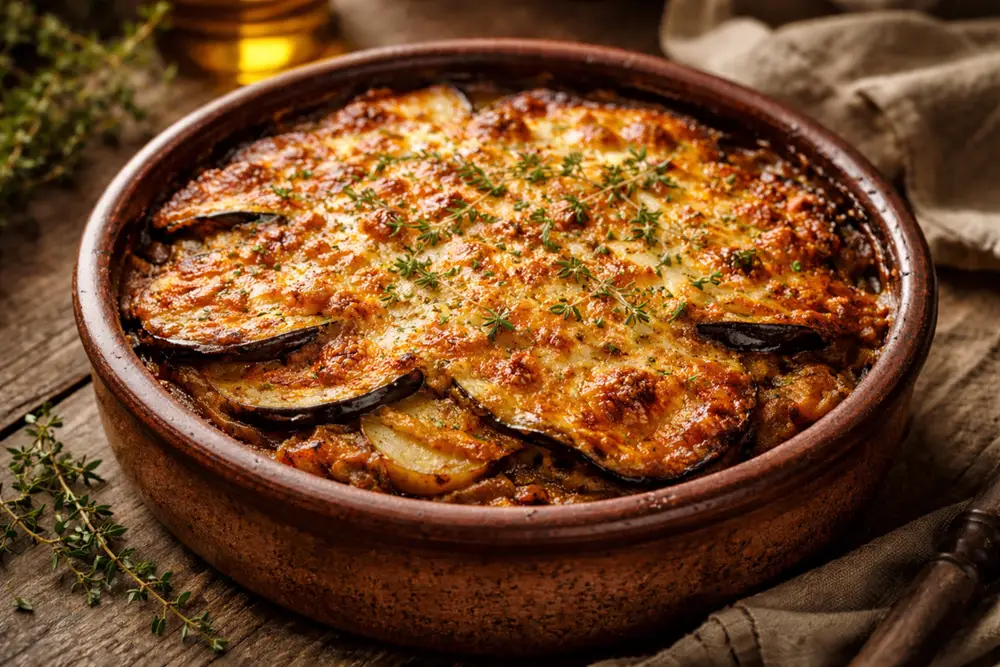
Baked Eggplant with Potatoes
A slow-baked layered casserole of eggplant, parboiled potatoes, golden fried onion, and melted cheese.