Black Beer
A traditional dark malt beverage from the early 20th century, brewed with roasted Kneipp barley, hops, and corn flour.
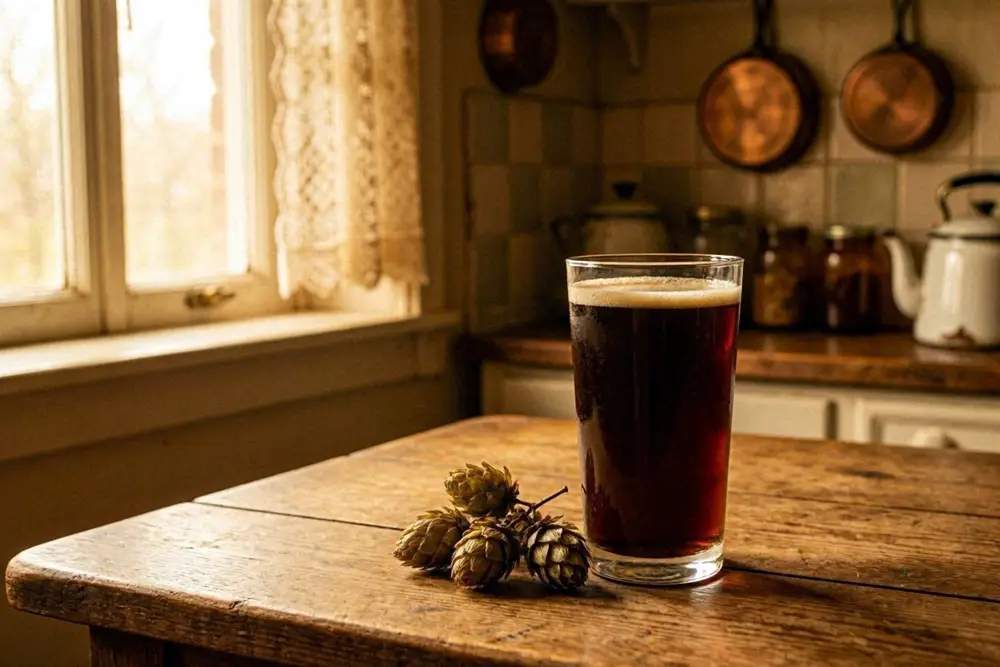
Historical recipe
Modernised adaptation of an early 20th‑century source. Not independently kitchen-tested by Attic Recipes. Quantities, temperatures, and food safety guidance have been updated for a contemporary kitchen — results may vary and errors may exist. Nutritional values, where provided, are estimates only and have not been laboratory tested. Always follow current food safety guidelines for your region. If you have a health condition, allergy, or dietary requirement, consult a qualified professional before preparing this recipe.
Use of this recipe is entirely at your own risk and subject to our Terms of Service and Privacy Policy. Attic Recipes accepts no liability for any adverse outcome.
- Gluten
Additional notes
-
Warning
Bottling active yeast in sealed glass bottles creates significant CO₂ pressure. Always allow 12–24 hours of open pre-fermentation before bottling. Leave at least 3–4cm headspace in every bottle. Store in the refrigerator immediately after bottling. Open bottles slowly and carefully over a sink. Discard any bottle that shows signs of extreme pressure, leakage, or unusual smell.
-
Caution
Discard the batch if you notice any of the following signs of spoilage: a sour or vinegary smell (beyond gentle yeast notes), visible slime or mold on the surface, unusual cloudiness that develops after bottling, or an off-putting taste. Fermented beverages produced without commercial sterilization carry a higher risk of contamination than commercial products.
-
Note
This beverage is very low in alcohol due to the short fermentation window and modest sugar content. However, trace alcohol may be present. Not recommended for pregnant women, children under 18, elderly persons, or immunocompromised individuals without medical guidance.
- 1
Combine 18 liters of water, 300g of roasted barley, and 20g of dried hops in a large stockpot. Bring to a full rolling boil over high heat.
- 2
Maintain a constant boil for 1 hour, uncovered. Do not let it drop to a simmer — the liquid must boil continuously throughout.
- 3
Place 60g of fine corn flour into a muslin bag and tie it securely. Lower the bag into the boiling liquid and continue boiling for a further 1 hour. The corn flour adds body and helps build a foam head.
- 4
Remove the pot from heat. Remove the corn flour bag. Strain the liquid through a fine cloth or cheesecloth into a clean vessel, discarding the spent barley and hops.
- 5
Add 250g of sugar to the hot strained liquid and stir until fully dissolved.
- 6
Allow the liquid to cool to approximately 25–28°C (77–82°F) before adding yeast. Adding yeast to hot liquid will kill it.
Tip Speed up cooling by setting the pot in a sink of cold water. - 7
Sprinkle 20g of dry brewer's yeast over the surface of the cooled liquid. Stir gently to combine and allow 10–15 minutes for the yeast to hydrate and begin to equalize with the liquid.
- 8
Cover the vessel loosely with a clean cloth — do not seal it. Allow the mixture to sit at room temperature for 12–24 hours. You should see light foaming as fermentation begins.
Tip This open pre-fermentation step is essential for safety. Bottling immediately after adding yeast, as the original recipe instructs, creates dangerous pressure in sealed bottles. - 9
After 12–24 hours, strain the liquid once more through a fine cloth. Fill bottles to no more than 80% capacity — leave at least 3–4cm of headspace. Seal with swing-top caps or screw caps.
Tip Plastic bottles are useful here: if the bottle becomes rock-hard, fermentation is active and pressure is building. Move to the refrigerator immediately. - 10
Store the sealed bottles in the refrigerator for 2–3 days before serving. The cold slows yeast activity and controls carbonation. Serve chilled.
Tip Open bottles slowly over a sink, especially in the first pour. Tilt the glass and pour gently to preserve the foam head.
Nutrition Information per 1 porcija (approx 300ml)
Nutritional values are approximate estimates and may vary based on specific ingredients used, preparation methods, and portion sizes.
Serving Suggestions
Serve well chilled in tall glasses. Best consumed within 5–7 days of bottling, while carbonation is at its peak. The beverage pairs naturally with dark rye bread, aged cheese, or as a table drink alongside roasted meats.
About This Recipe
Before refrigeration, before commercial soft drinks, and long before the craft beer movement, Central European households brewed their own dark malt beverages at home. This recipe — roasted barley, hops, corn flour, a modest measure of sugar, and yeast — produces something that sits outside modern categories: it is not quite beer, not quite a soft drink, but something altogether older and more interesting than either.
The roasted barley used here is not brewer’s malt. It is the same grain that was sold across Central Europe as a coffee substitute — dark-roasted, caffeine-free, with a bitter, toasty character that colours the liquid deeply and gives it a flavour profile closer to a very light stout than to anything commercial. The hops add a gentle bitterness that balances the sugar. The corn flour, boiled in a cloth bag, contributes body and a modest foam head without leaving the liquid cloudy.
The result is a lightly carbonated, deeply coloured, nearly alcohol-free table drink — something the whole household would have consumed in the course of an ordinary week.
Why It Works
The chemistry here is simpler than it appears. Roasted barley contributes colour, bitterness, and a small amount of soluble starch, but it has not been malted — meaning the enzymes needed to convert starch to fermentable sugar are absent. The sugar added after straining is therefore the yeast’s primary food source, not the grain. With only 250g of sugar across 18 litres and a fermentation window of just 2–3 days, the yeast produces CO₂ for carbonation and very little alcohol before the cold of the refrigerator slows it to a halt.
The corn flour bag is a period technique that deserves more attention. Boiling starch in an enclosed cloth allows gelatinisation to occur — the starch swells, releases soluble proteins and polysaccharides into the liquid, and creates the body and foam stability that would otherwise be absent from a sugar-and-water base. It is a low-technology solution that works.
Modern Kitchen Tips
The single most important departure from the original method is the pre-fermentation step. Do not bottle immediately after adding yeast. Give the liquid 12–24 hours uncovered at room temperature — you will see gentle foaming begin, which confirms the yeast is active. Only then bottle, leaving headspace, and move straight to the refrigerator.
If you cannot source Kneipp-style roasted barley, roasted barley sold for coffee substitutes (sometimes labelled “barley coffee” or “grain coffee”) is a direct equivalent and is widely available in health food shops. Avoid using malted barley or pale malt — these will produce a different, more alcoholic result.
Swing-top (Grolsch-style) bottles are ideal for this recipe. The rubber gasket allows a small amount of pressure to escape if over-carbonation occurs, and the bottles are reusable and easy to clean.
A classic of early 20th century home brewing, preserved and adapted for the modern kitchen.
The Story Behind This Recipe
Historical Context
Early 20th century home brewing in Central Europe relied on widely available substitutes rather than purpose-malted grain. Roasted barley coffee substitutes — sold under brand names of the Kneipp tradition — were a common pantry staple, used both as a hot drink and as a base for dark home-brewed beverages. The addition of corn flour in a cloth bag is a period technique for adding body and improving foam without clouding the liquid. Home cooks of the period bottled the liquid almost immediately after adding yeast, relying on the natural CO₂ produced in the first days of fermentation to carbonate the drink. The result was a lightly fizzy, sweet, deeply coloured malt beverage — consumed by the whole household, including children, as alcohol levels remained negligible given the short fermentation window and modest sugar content.
Modern Kitchen Adaptation
The original recipe calls for bottling immediately after adding yeast and sealing hermetically — this creates a significant bottle explosion risk as CO₂ builds with no outlet. The modern approach adds a 12–24 hour open pre-fermentation step before bottling, and recommends leaving 3–4cm headspace in each bottle. Swing-top bottles or food-grade plastic bottles are recommended over plain corked glass. Dry brewer's yeast (SafAle S-04 or equivalent) replaces fresh baker's yeast for more consistent fermentation and better flavour. The original quantity of sugar has been retained at 250g for 18 litres — this is a modest amount that supports light carbonation and gentle sweetness without overwhelming the roasted barley character. Refrigeration immediately after bottling is strongly recommended to slow fermentation and control pressure.
This recipe is an independent modern adaptation developed from historical sources in the public domain. It is provided for informational and educational purposes only and does not constitute professional dietary, nutritional, or medical advice. Food preparation involves inherent risks. The reader assumes full responsibility for safe food handling, ingredient sourcing, and adherence to current local food safety guidelines. The site operator accepts no liability for outcomes resulting from the preparation or consumption of this recipe.
One recipe.
Every week.
You Might Also Like
More recipes from the same category
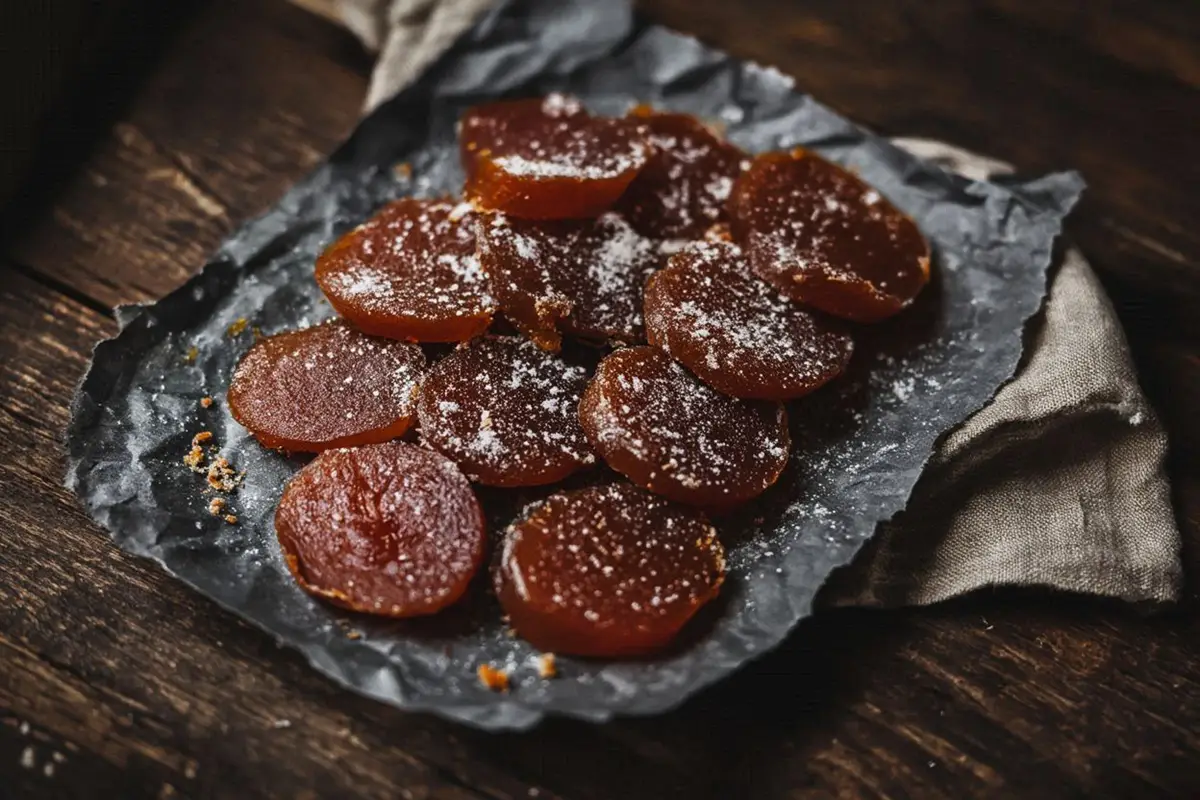
Apricot Fruit Paste
Sieved ripe apricots cooked with equal weight sugar and lemon juice, poured into molds and air-dried — from early 20th century Central European kitchens.
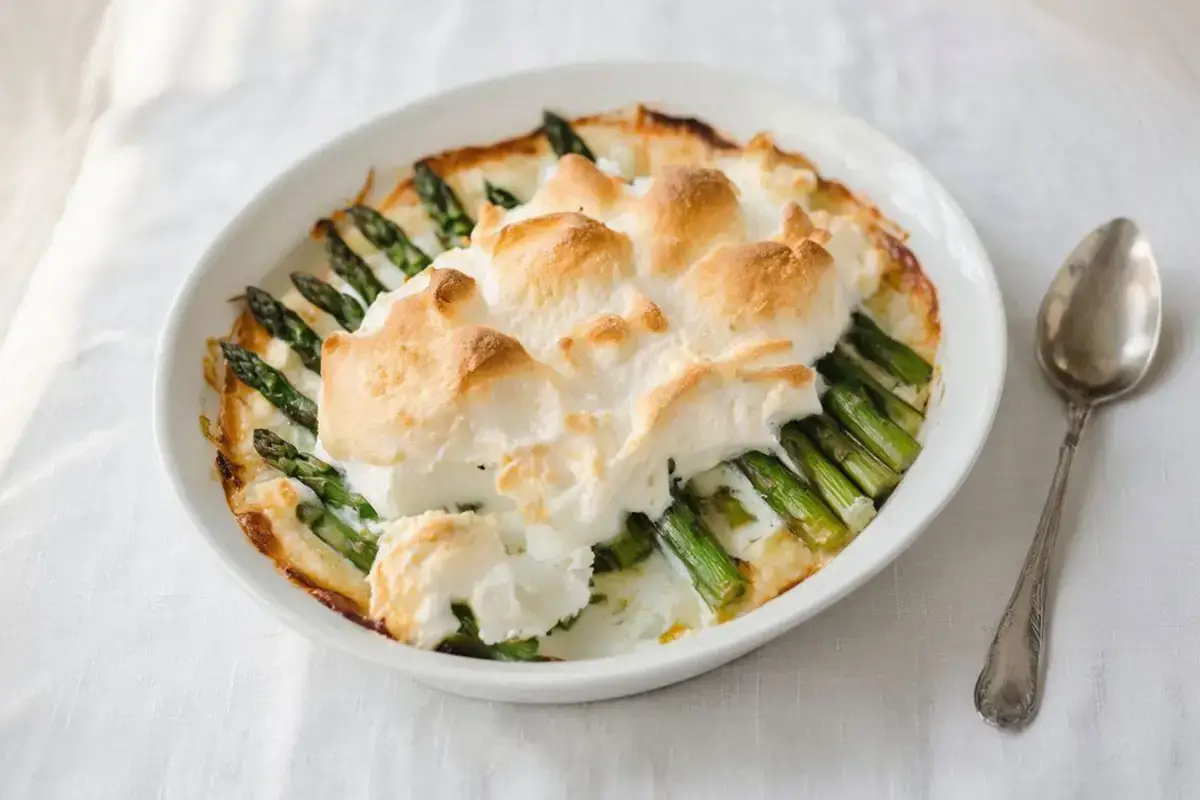
Asparagus Venetian Style
Fresh asparagus baked under a rich egg yolk cream sauce and a golden meringue-cheese topping. An elegant Central European appetizer.
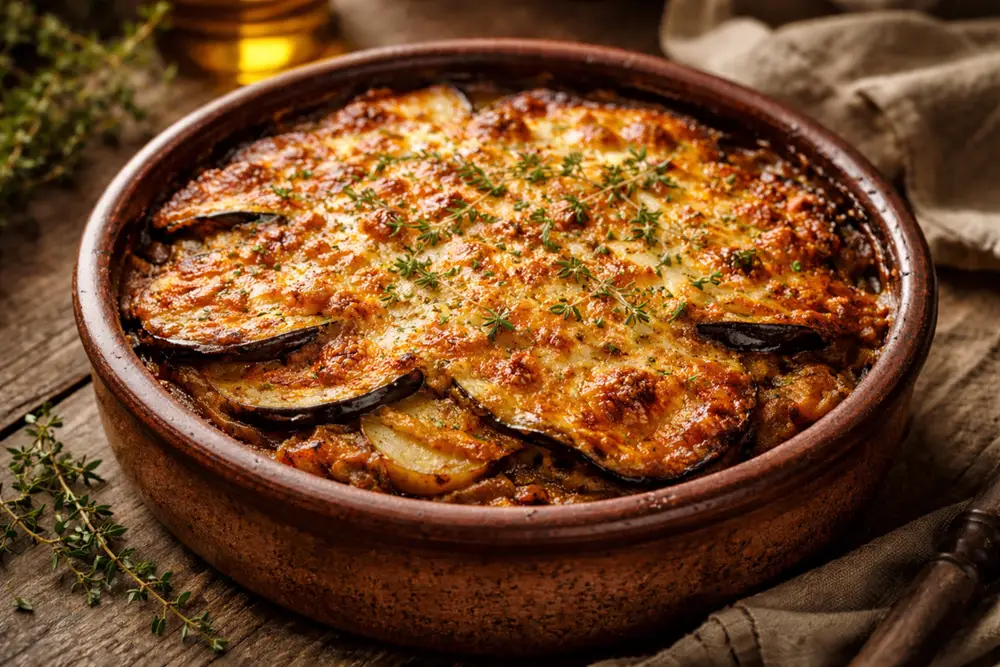
Baked Eggplant with Potatoes
A slow-baked layered casserole of eggplant, parboiled potatoes, golden fried onion, and melted cheese.