Sage and Onion Stuffing for Duck, Goose, or Pork
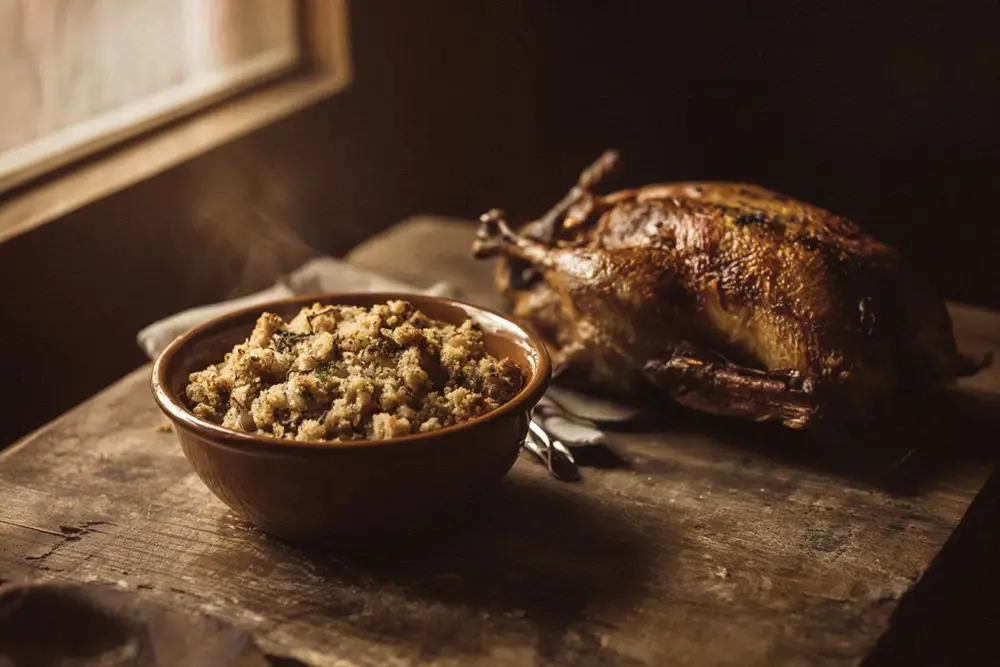
A traditional sage and onion stuffing for rich roasting meats — double-blanched onions, fresh sage, butter, and breadcrumbs bound with egg.
Historical recipe
Modernised adaptation of an early 20th‑century source. Not independently kitchen-tested by Attic Recipes. Quantities, temperatures, and food safety guidance have been updated for a contemporary kitchen — results may vary and errors may exist. Nutritional values, where provided, are estimates only and have not been laboratory tested. Always follow current food safety guidelines for your region. If you have a health condition, allergy, or dietary requirement, consult a qualified professional before preparing this recipe.
Use of this recipe is entirely at your own risk and subject to our Terms of Service and Privacy Policy. Attic Recipes accepts no liability for any adverse outcome.
- Eggs
- Dairy
- Gluten
Additional notes
-
Warning
When used as a cavity stuffing, the internal temperature of the stuffing must reach a minimum of 74°C (165°F) before the bird or joint is considered safe to eat. The stuffing temperature must be verified separately from the meat temperature using an instant-read thermometer inserted into the centre of the stuffing. Pregnant women, young children, elderly individuals, and immunocompromised persons should take particular care to verify stuffing temperature.
-
Note
This recipe contains raw egg as a binder. The egg is fully cooked when the stuffing reaches 74°C (165°F) during roasting. If baking stuffing balls separately, verify the internal temperature reaches 74°C (165°F) before serving.
- 1
Place the 4 whole peeled onions in a large saucepan. Pour over enough boiling water to cover and leave to scald for 5 minutes. Drain and rinse with cold water.
Tip Scalding removes the sharp raw edge of the onion and makes the outer layers easier to remove cleanly. - 2
Return the onions to the saucepan with fresh boiling water. Cook over medium heat until completely soft when pierced with a knife, about 20–25 minutes.
- 3
Add the 10 sage leaves to the pan for the final 5 minutes of cooking. Drain thoroughly and allow to cool slightly.
- 4
Transfer the onions and sage to a chopping board and chop finely.
Tip The mixture should be a rough paste — not puréed, but with no large pieces remaining. - 5
In a mixing bowl, combine the 150g fresh white breadcrumbs with the 50g softened butter. Add the chopped onion and sage mixture and mix until evenly combined.
- 6
Add the beaten egg, 1 tsp salt, and ½ tsp black pepper. Mix until the stuffing comes together into a cohesive, slightly sticky paste. Taste and adjust seasoning.
- 7
Use immediately to stuff the cavity of a duck, goose, or pork joint before roasting. Do not pack the cavity tightly — leave room for the stuffing to expand during cooking. Alternatively, shape into balls and bake separately (see serving suggestions).
Nutrition Information per 1 portion (approx. 80g)
Nutritional values are approximate estimates and may vary based on specific ingredients used, preparation methods, and portion sizes.
Serving Suggestions
Use to stuff a duck, goose, or pork joint before roasting. To cook separately: shape the stuffing into balls (approximately 40g each), place on a lightly buttered baking tray, and bake at 190°C (375°F) / 170°C fan for 25–30 minutes until golden and set. Separately baked stuffing balls are the recommended method when roasting pork, as the internal cavity of a pork joint is smaller and less suited to a large quantity of stuffing.
About This Recipe
Sage and onion stuffing occupies an interesting position in the Central European kitchen: common enough to appear in early 20th century cookbooks with no preamble, yet precise enough in technique to reward careful attention. The double-blanching method — scalding first, then boiling in fresh water — is the detail that separates a well-made stuffing from a harsh one. Raw onion, even finely chopped, can overpower the delicate fat of duck or goose; blanching twice draws out much of its pungency and leaves a softer, rounder flavour that works with the meat rather than against it.
The combination of sage and onion is a natural one: the herb’s slight bitterness and camphor notes cut through rendered fat in a way that more delicate herbs cannot. This is why it remains the standard pairing for duck, goose, and pork across Central European cookery — not by convention alone, but because the chemistry of the pairing is genuinely effective.
The recipe as written produces a moist, cohesive stuffing. It is not a dry forcemeat and should not be treated as one.
Why It Works
The double-blanching technique is the technical core of this recipe. The first scald in boiling water — just five minutes — begins breaking down the outer cell walls of the onion without cooking it through. The rinse in cold water halts this process and removes the first flush of sulphur compounds responsible for the sharp, raw onion taste. The second cook in fresh water finishes the onion completely and further dilutes any remaining pungency. Adding the sage for the final five minutes of the second cook is deliberate: long exposure to boiling water destroys the volatile oils that give sage its flavour. Five minutes extracts enough to perfume the stuffing without losing the herb’s character entirely.
Fresh white breadcrumbs, as opposed to dried, serve a specific function here. They absorb the moisture released by the cooked onions and the fat from the butter, swelling slightly and binding the mixture without making it dense. Dried crumbs would absorb too aggressively, producing a stiff, heavy stuffing that does not expand properly during roasting.
The egg binds the mixture and sets it during cooking. Without it, the stuffing tends to crumble when sliced.
Modern Kitchen Tips
Drain the onions well — press them gently in a clean cloth or leave them in a sieve for several minutes before chopping. Excess water is the most common reason a stuffing fails to hold together.
If making stuffing balls rather than stuffing a bird, chill the shaped balls for 30 minutes before baking. This helps them hold their shape and produces a crisper exterior.
Stuffing made a day ahead and refrigerated overnight develops a noticeably better flavour as the sage and onion permeate the breadcrumbs. Bring to room temperature before using or baking.
A classic of early 20th century home roasting, preserved and adapted for the modern kitchen.
The Story Behind This Recipe
Historical Context
Early 20th century recipes of this type treated sage and onion stuffing as a standard preparation for fatty roasting birds and pork, requiring no introduction. The double-blanching technique — scalding first, then boiling in fresh water — was the standard period method for moderating the pungency of raw onion before incorporating it into a stuffing. Home cooks of the era would have used lard in place of butter for greasing and, in leaner households, stale bread soaked and squeezed rather than fresh breadcrumbs. Salt and pepper quantities were not specified; seasoning was left entirely to the cook's judgment.
Modern Kitchen Adaptation
Salt and pepper quantities have been standardised to 1 tsp salt and ½ tsp cracked black pepper as a baseline; both are marked to taste. Fresh white breadcrumbs are specified in place of the original unspecified 'bread crumbs' — fresh crumbs are the culinary standard for this type of moist, baked stuffing, as dried crumbs absorb too much moisture and produce a dense result. Butter replaces any period use of lard; the quantity and technique remain unchanged. The egg is lightly beaten before adding, a step not specified in the original.
This recipe is an independent modern adaptation developed from historical sources in the public domain. It is provided for informational and educational purposes only and does not constitute professional dietary, nutritional, or medical advice. Food preparation involves inherent risks. The reader assumes full responsibility for safe food handling, ingredient sourcing, and adherence to current local food safety guidelines. The site operator accepts no liability for outcomes resulting from the preparation or consumption of this recipe.
One recipe.
Every week.
You Might Also Like
More recipes from the same category
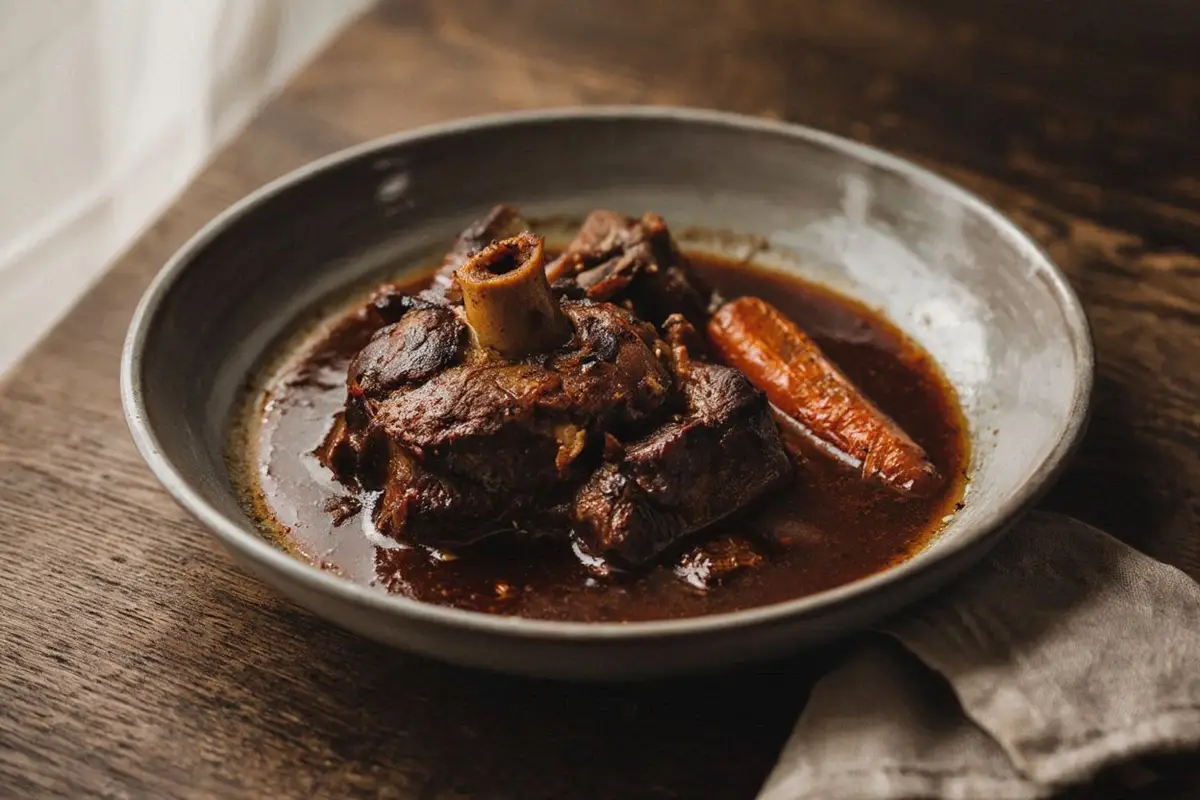
Beef Tail in Red Wine Sauce
Slow-braised oxtail in a rich red wine broth with carrots, lemon zest, and a silky roux-thickened sauce. A forgotten Central European classic.
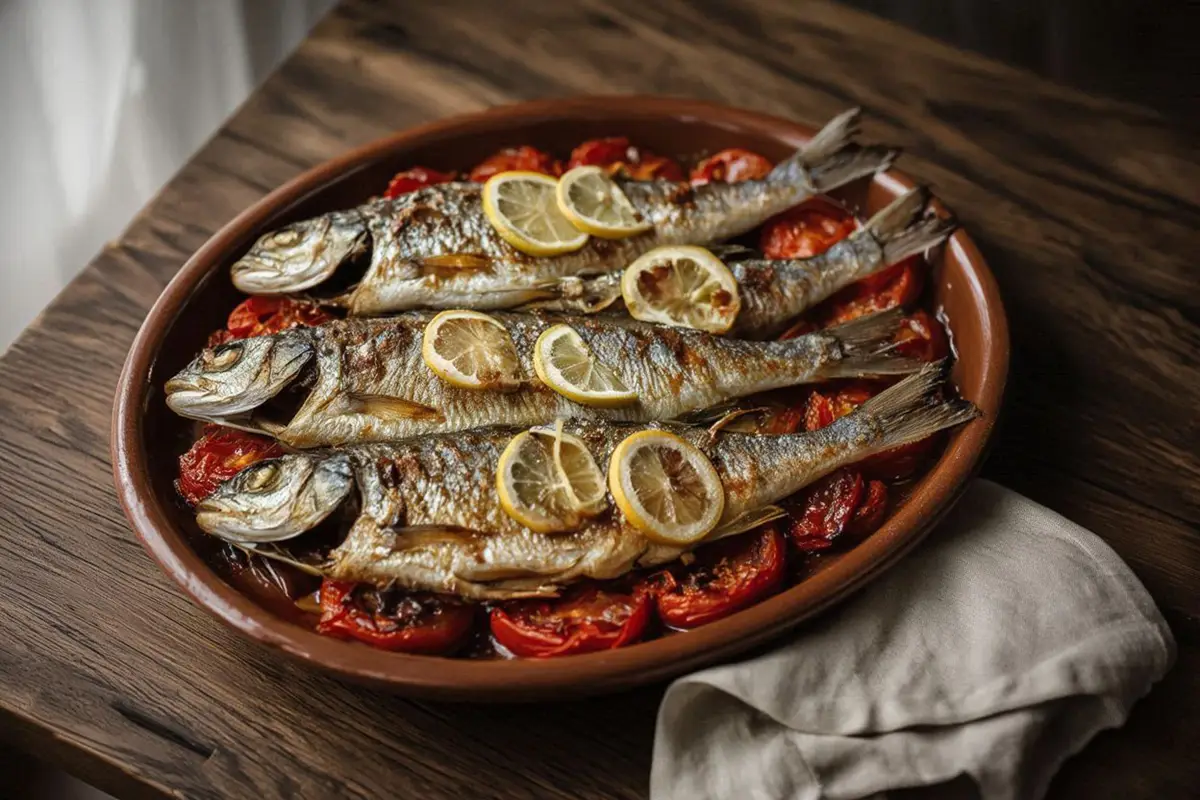
Baked Fish with Tomatoes
Whole fish baked over ripe tomatoes with generous olive oil and lemon — a simple, fragrant Central European oven dish.
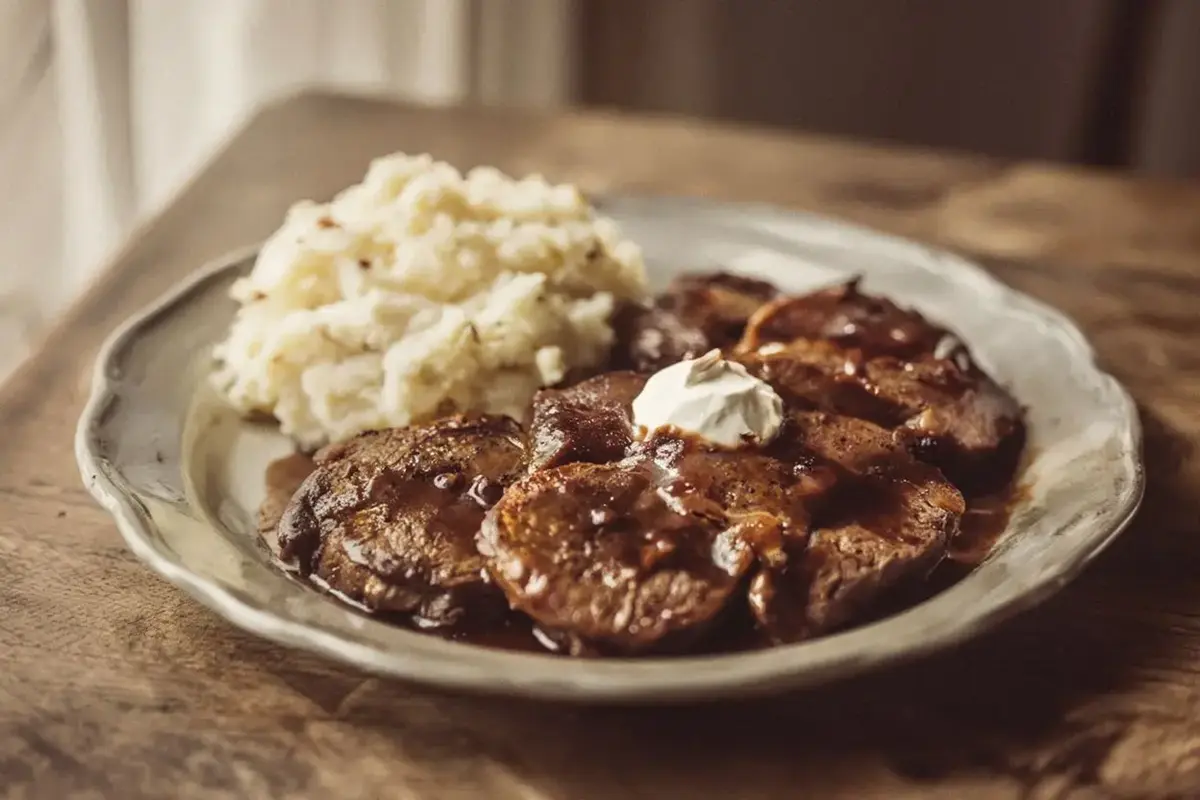
Beef Kidney with Wine
Beef kidney marinated in red wine, braised with herbs, finished with sour cream. Tender, rich, and deeply flavored.