Pear Torte with Wine Cream
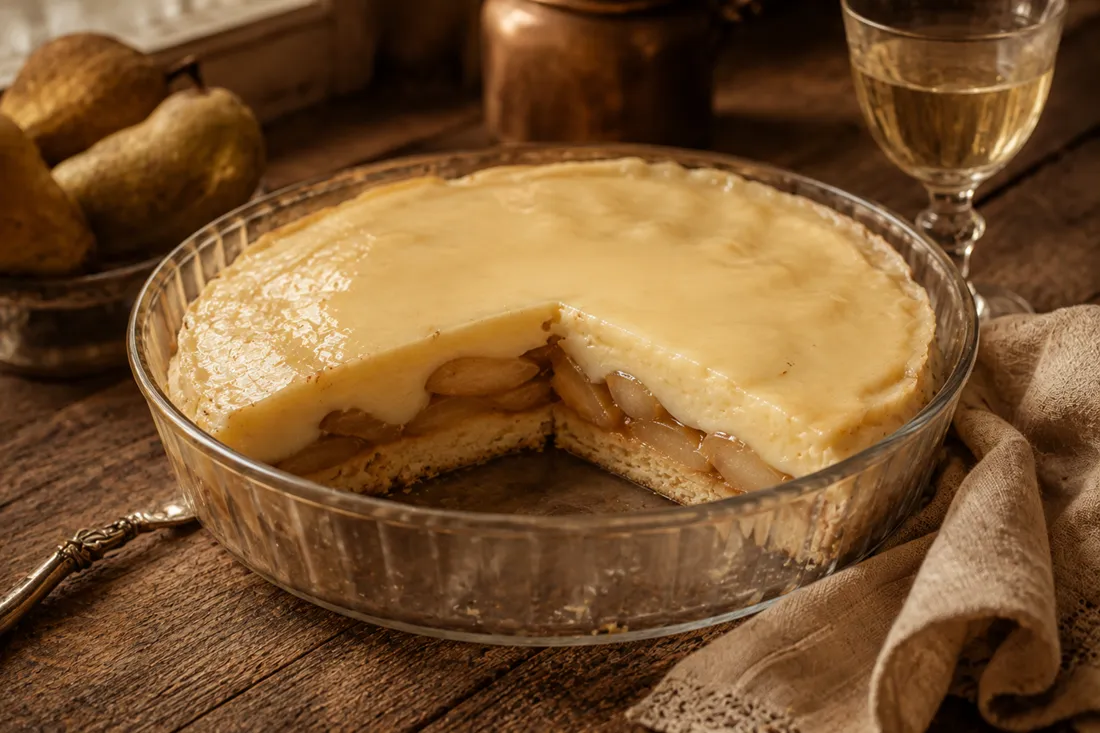
A buttery pastry base topped with jam, poached pears in spiced wine syrup, and a whisked wine custard — an elegant layered torte.
Quick Summary
A short buttery crust is baked, spread with jam and sponge crumbs, then topped with pears poached in spiced white wine. A whisked wine and cornstarch custard is cooked on the stovetop until thickened and poured over the top. A rich, layered dessert best served chilled.
Historical recipe
Modernised adaptation of an early 20th‑century source. Not independently kitchen-tested by Attic Recipes. Quantities, temperatures, and food safety guidance have been updated for a contemporary kitchen — results may vary and errors may exist. Nutritional values, where provided, are estimates only and have not been laboratory tested. Always follow current food safety guidelines for your region. If you have a health condition, allergy, or dietary requirement, consult a qualified professional before preparing this recipe.
Use of this recipe is entirely at your own risk and subject to our Terms of Service and Privacy Policy. Attic Recipes accepts no liability for any adverse outcome.
- Gluten
- Eggs
- Dairy
- Sulphites
Additional notes
-
Note
This dessert contains a significant amount of wine; while much of the alcohol cooks off during poaching and thickening, some may remain. Pregnant people, children, and anyone avoiding alcohol should be aware before serving or eating this dish.
- 1
Work the butter into the flour until combined, then bind with the egg to form a dough. Roll the dough out to about 1cm thick.
- 2
Grease the cake tin with butter and dust with flour. Using the size of the tin's base as a guide, roll out and fit a piece of the dough into the tin.
- 3
Bake in a preheated oven at 180°C (350°F) until pale in color, about 15-18 minutes — the crust should not brown.
- 4
While the crust is still warm, spread it with the jam. Sprinkle the sponge cake crumbs evenly over the jam.
- 5
Transfer the prepared base to the deep glass serving dish.
- 6
In a pot, combine the 500ml of white wine and the sugar for the poaching syrup. Bring to a boil.
- 7
Add the pears, the cinnamon stick, and the lemon zest. Cook until the pears are completely soft.
- 8
Drain the pears from the poaching liquid and spread them evenly over the jam- and crumb-topped crust.
- 9
In a heatproof bowl or saucepan, whisk together the sugar for the wine cream, the eggs, the cornstarch, the lemon juice, and the 750ml of white wine until fully combined.
- 10
Set the bowl over a double boiler (or a heavy saucepan over the lowest direct heat), and whisk continuously until the mixture thickens into a smooth custard that coats the back of a spoon, reaching about 82-85°C (180-185°F).
Tip Whisk constantly and don't step away — this mixture can scramble or scorch on the bottom of the pot quickly if left unattended, especially over direct heat. - 11
Pour the hot wine custard evenly over the poached pears on the torte.
- 12
Let the torte cool, then chill for at least 1 hour before slicing and serving.
Nutrition Information per 1 slice (1/10 of torte)
Nutritional values are approximate estimates and may vary based on specific ingredients used, preparation methods, and portion sizes.
Serving Suggestions
Serve chilled, sliced into wedges. A dollop of lightly whipped cream on the side complements the wine custard well.
About This Recipe
This torte builds itself up in distinct stages: a simple buttery crust, a fruit-preserve layer to add sweetness and moisture, a bed of poached pears, and finally a glossy, wine-scented custard poured warm over the top. Each layer is straightforward on its own, but together they add up to something considerably more elaborate than any single step suggests.
The wine cream is really the centerpiece — a cornstarch-thickened custard built almost entirely from white wine, whisked over heat until it turns silky and coats a spoon. It’s an unusual way to finish a fruit torte, closer to a dessert wine sauce than a standard pastry cream, and it’s what gives this dessert its distinct character.
Serve it chilled, once the layers have had time to set against one another.
Why It Works
Baking the crust only until pale, rather than fully golden, keeps it tender enough to hold up under the moisture from the jam, the poached pears, and the wine custard without turning tough or overly crisp. The sponge crumbs scattered over the jam add a layer that absorbs excess moisture, keeping the crust from turning soggy where it meets the fruit.
Whisking the wine cream’s ingredients together cold before applying heat, rather than tempering hot liquid into the eggs, works here because the cornstarch helps stabilize the egg proteins as the mixture heats — but it still needs continuous whisking and gentle, even heat to come together smoothly rather than curdling or catching on the bottom of the pot.
Modern Kitchen Tips
- Roll the dough between two sheets of parchment if it feels too soft to transfer to the tin cleanly.
- A double boiler makes the wine cream far more forgiving than direct heat — worth the extra dish if you’re making this for the first time.
- The torte slices more cleanly once fully chilled; don’t rush the final rest.
A classic of early 20th century home cooking, preserved and adapted for the modern kitchen.
The Story Behind This Recipe
Historical Context
Whisked wine custards like this one drew on more elaborate patisserie technique, and pairing them with poached fruit over a simple pastry base was a way to turn a plain butter crust into a special-occasion torte. The layer of sponge cake crumbs between the jam and the fruit served a practical purpose, helping keep the base from turning soggy before more modern glazing methods were common.
Modern Kitchen Adaptation
The original recipe leaves several quantities unspecified — the jam, the sponge crumbs, the poaching sugar, the lemon zest, and the lemon juice for the wine cream are all estimated here to reasonable, adjustable amounts. The oven temperature for the crust is also estimated, since the original only specifies baking it 'pale.' The ingredient listed as 'brašno nišesteno' is cornstarch, not wheat flour — a regional term from the period, translated correctly here. The original has you mix the wine cream ingredients cold, then set the pot directly over stovetop heat, whisking until thick; this version recommends a double boiler instead, since it gives much more control over the heat and reduces the risk of scrambling the eggs or scorching the bottom of the pot, though the original's direct-heat method can still work with attentive, continuous whisking. A target temperature and consistency are given for the custard, since the original specifies only that it should thicken.
This recipe is an independent modern adaptation developed from historical sources in the public domain. It is provided for informational and educational purposes only and does not constitute professional dietary, nutritional, or medical advice. Food preparation involves inherent risks. The reader assumes full responsibility for safe food handling, ingredient sourcing, and adherence to current local food safety guidelines. The site operator accepts no liability for outcomes resulting from the preparation or consumption of this recipe.
One recipe.
Every week.
You Might Also Like
More recipes you'll enjoy
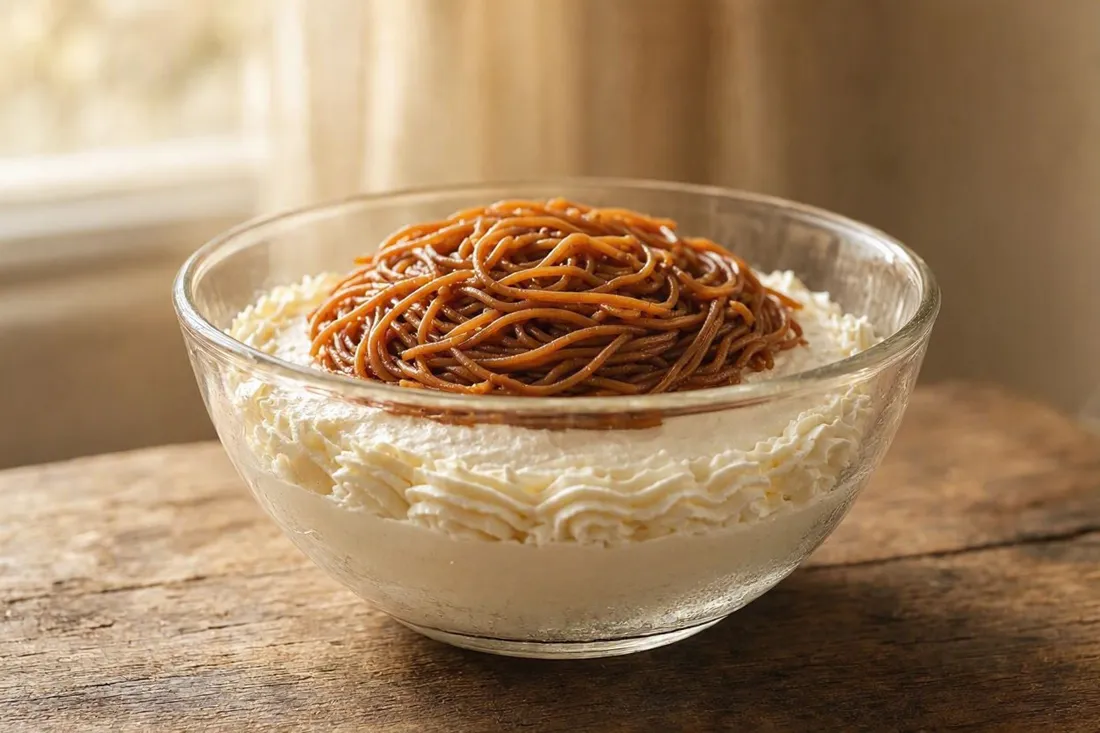
Chestnut Purée with Whipped Cream
Sweetened chestnut puree is pressed through a ricer over whipped cream and finished with a piped border of cream — a rich chestnut dessert.

Coffee Cream Tartlets
Bite-sized chocolate-coated tartlets filled with silky coffee custard cream, unmolded like a bonbon. A no-bake Central European confection for dessert tables.
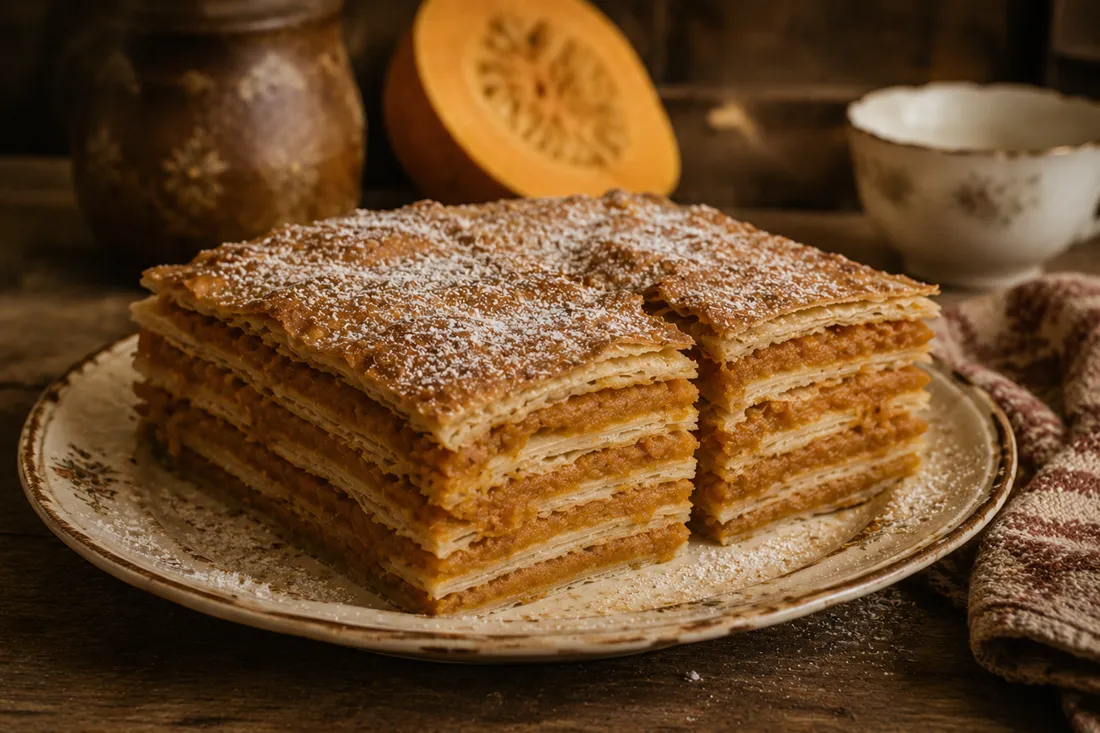
Layered Pumpkin Pastry with Griddle-Baked Dough Sheets
Homemade dough sheets pre-baked on a griddle, layered with a sauteed pumpkin, whipped egg, and cinnamon filling, then baked and finished with vanilla sugar.