Coffee Cream Tartlets
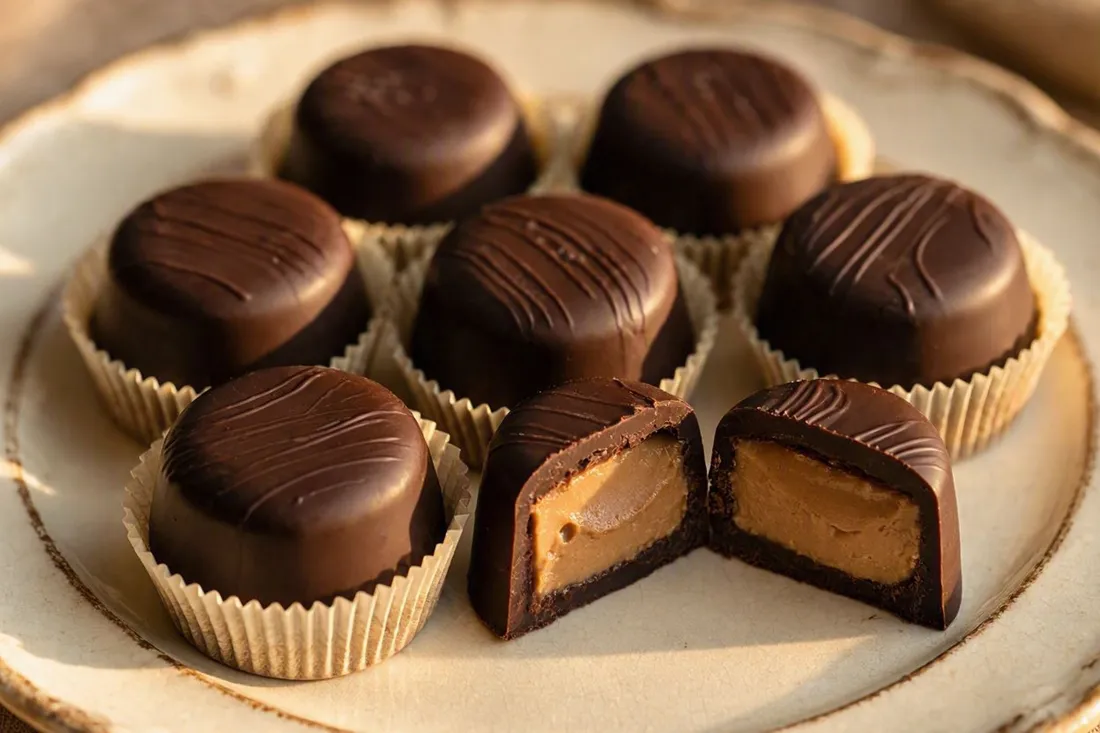
Bite-sized chocolate-coated tartlets filled with silky coffee custard cream, unmolded like a bonbon. A no-bake Central European confection for dessert tables.
Quick Summary
Small molds are lined with chocolate, filled with a rich coffee custard cream, then sealed with more chocolate and chilled until firm. A no-bake, mold-set Central European sweet, ready in about an hour of prep plus chilling time.
Historical recipe
Modernised adaptation of an early 20th‑century source. Not independently kitchen-tested by Attic Recipes. Quantities, temperatures, and food safety guidance have been updated for a contemporary kitchen — results may vary and errors may exist. Nutritional values, where provided, are estimates only and have not been laboratory tested. Always follow current food safety guidelines for your region. If you have a health condition, allergy, or dietary requirement, consult a qualified professional before preparing this recipe.
Use of this recipe is entirely at your own risk and subject to our Terms of Service and Privacy Policy. Attic Recipes accepts no liability for any adverse outcome.
- Eggs
- Dairy
- Gluten
- Soy
Additional notes
-
Warning
This filling is a cooked egg yolk custard. Make sure it is properly tempered and reaches at least 74°C (165°F) during cooking so it is safe to eat. Pregnant women, young children, the elderly, and those with weakened immune systems should take particular care that the custard is fully and evenly cooked.
- 1
Melt the chocolate coating with the 10g of butter, stirring until smooth.
- 2
Brush a thin, even layer of the melted chocolate over the inside walls of each mold, coating them completely.
Tip The layer should be thin enough to set crisp but sturdy enough to hold its shape once unmolded — about 2mm. - 3
Place the lined molds in a cool place until the chocolate sets firm.
- 4
In a saucepan, whisk together the sugar, flour, and egg yolks until smooth.
- 5
Warm the strained coffee separately, then gradually whisk a small amount into the yolk mixture to temper it before combining the rest.
Tip Tempering prevents the yolks from scrambling once the mixture goes back on the heat. - 6
Cook the mixture over low heat, stirring constantly with a wooden spoon, until it thickens into a custard. Do not let it boil.
Tip Target an internal temperature of 74°C (165°F). Stir constantly and watch closely — overcooking will curdle the custard. - 7
Remove the custard from the heat and let it cool completely.
- 8
Once cooled, beat in the softened butter and vanilla sugar. Continue mixing in a cool place until the cream is fully cold and firm.
- 9
Fill the chocolate-lined molds with the cold coffee cream, leaving a little room at the top.
- 10
Gently rewarm the remaining chocolate coating and spoon or brush it over the top of each filled mold, sealing the cream inside completely.
- 11
Chill the filled molds until the chocolate is fully set and the cream inside is firm.
- 12
To unmold, flex the mold gently (or press a rigid mold firmly and invert) until each tartlet releases.
- 13
Arrange the tartlets in small paper cups and serve chilled.
Nutrition Information per 1 tartlet (approx 35g)
Nutritional values are approximate estimates and may vary based on specific ingredients used, preparation methods, and portion sizes.
Serving Suggestions
Serve chilled, arranged in small paper petit-four cups, as part of a dessert table or alongside coffee.
About This Recipe
These small tartlets belong to a family of no-bake, mold-set sweets built the way a chocolate bonbon is built rather than the way a cake is baked. The molds used in the period were thin, closed tin shapes flexible enough to press by hand — chocolate was brushed over the inside walls first and left to set into a firm shell, then filled with a cold cream once that shell was ready.
The filling itself is a coffee-flavored custard, thickened on the stovetop with egg yolks and flour rather than cornstarch alone, then finished with butter once cooled to give it a firmer, more spreadable texture. Once the mold is filled, a second layer of chocolate seals the cream in completely, so what comes out after chilling and unmolding is a fully enclosed little cake with a crisp chocolate shell and a soft coffee center.
Why It Works
Sealing the cream inside a chocolate shell rather than piping it onto a finished base means the filling never needs to hold its own shape — the mold and the chocolate coating do that work instead. Cooking the custard slowly and tempering the egg yolks properly is what keeps the texture smooth rather than grainy, while beating in softened butter after the custard has cooled thickens it further and gives the filling enough body to be cut and unmolded cleanly once chilled.
Modern Kitchen Tips
Small silicone tartlet or bonbon molds make this far easier than the original tin versions — flex the mold gently rather than prying at the chocolate shell to release each piece cleanly. Work with the coffee cream cold and the chocolate coating just melted, not hot, so the two layers don’t blend into each other when the tartlets are sealed.
A classic of early 20th century home cooking, preserved and adapted for the modern kitchen.
The Story Behind This Recipe
Historical Context
Early 20th century versions of this sweet were made in small, closed tin molds thin enough to flex by hand. The mold was lined with a thin coat of chocolate, filled with a cold cream once the shell had set, then sealed with a second layer of chocolate and left to firm up completely before the finished piece was pressed and inverted out of the mold, much like unmolding a chocolate bonbon. Period versions sometimes included a small amount of chicory in the coffee for a deeper, more bitter flavor.
Modern Kitchen Adaptation
Flexible silicone tartlet or bonbon molds are a practical stand-in for the thin tin molds of the period, making the mold-lining and unmolding steps far easier. The chocolate used for lining and sealing is a compound (coating) chocolate rather than a couverture, since it sets firmly at room or refrigerator temperature without tempering, matching the way the original technique treated it. The optional chicory has been left out of this version: chicory root has traditionally been associated with mild laxative and cholagogue (bile-stimulating) effects, which may not suit every reader, so it has been omitted here rather than included as a default. Hard (bread) flour, as called for in the original, can be substituted with all-purpose flour with no meaningful difference in this application, since the flour is fully cooked into a custard rather than relied on for gluten structure. Because the filling contains egg yolks cooked into a custard, the mixture should be properly tempered and brought to at least 74°C (165°F) to ensure it is safe to eat, and watched closely afterward, since overcooking will curdle it.
This recipe is an independent modern adaptation developed from historical sources in the public domain. It is provided for informational and educational purposes only and does not constitute professional dietary, nutritional, or medical advice. Food preparation involves inherent risks. The reader assumes full responsibility for safe food handling, ingredient sourcing, and adherence to current local food safety guidelines. The site operator accepts no liability for outcomes resulting from the preparation or consumption of this recipe.
One recipe.
Every week.
You Might Also Like
More recipes you'll enjoy
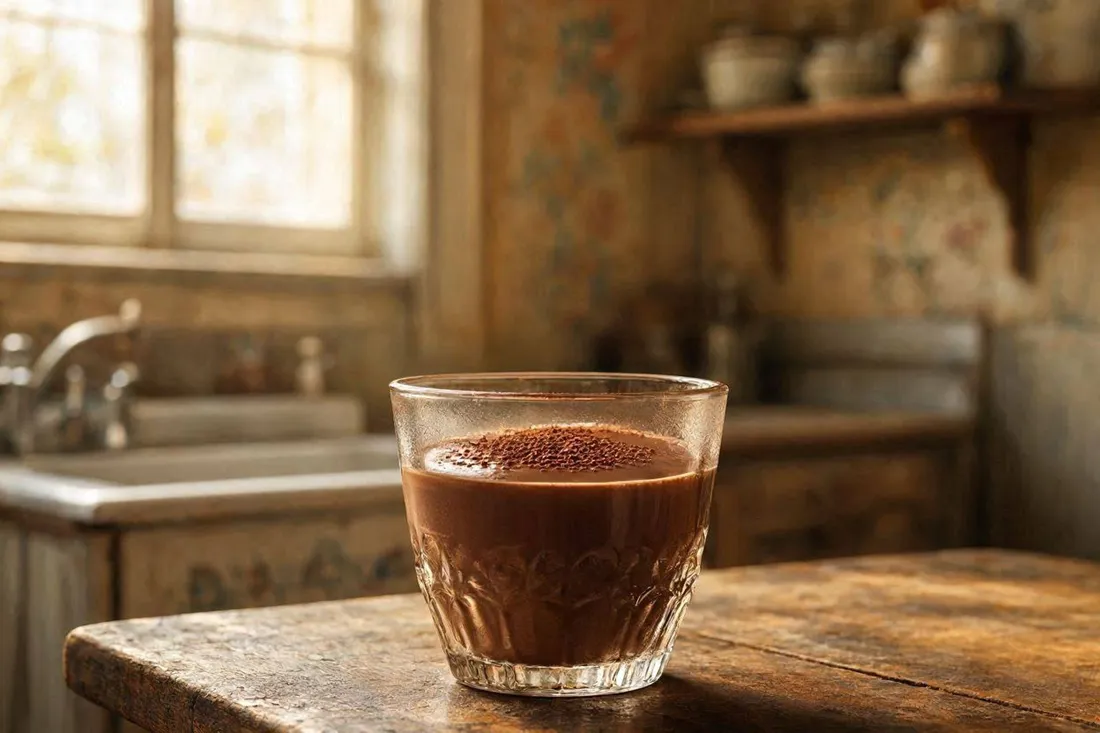
Chocolate Cream Without Eggs
A rich egg-free chocolate cream, thickened with flour instead of yolks, cooked on the stovetop and chilled until set.
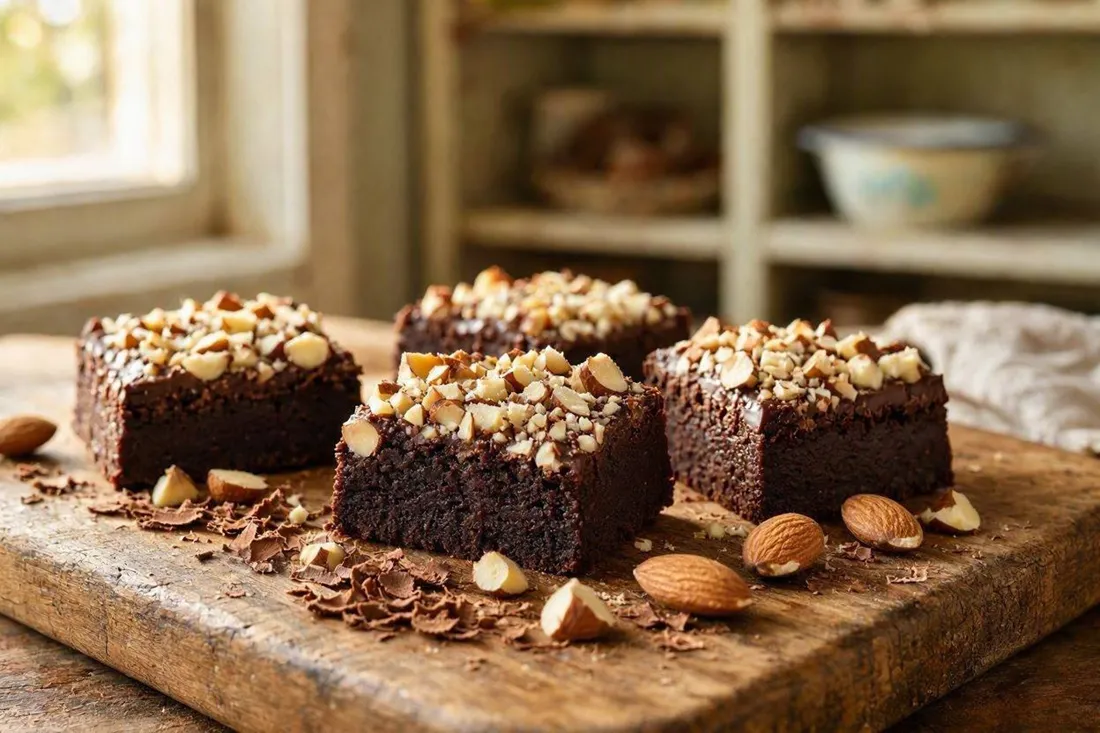
Rich Chocolate Squares with Almonds
A rich, dense chocolate square cake, topped with chopped almonds and baked low and slow until set — cut into neat squares once cooled.
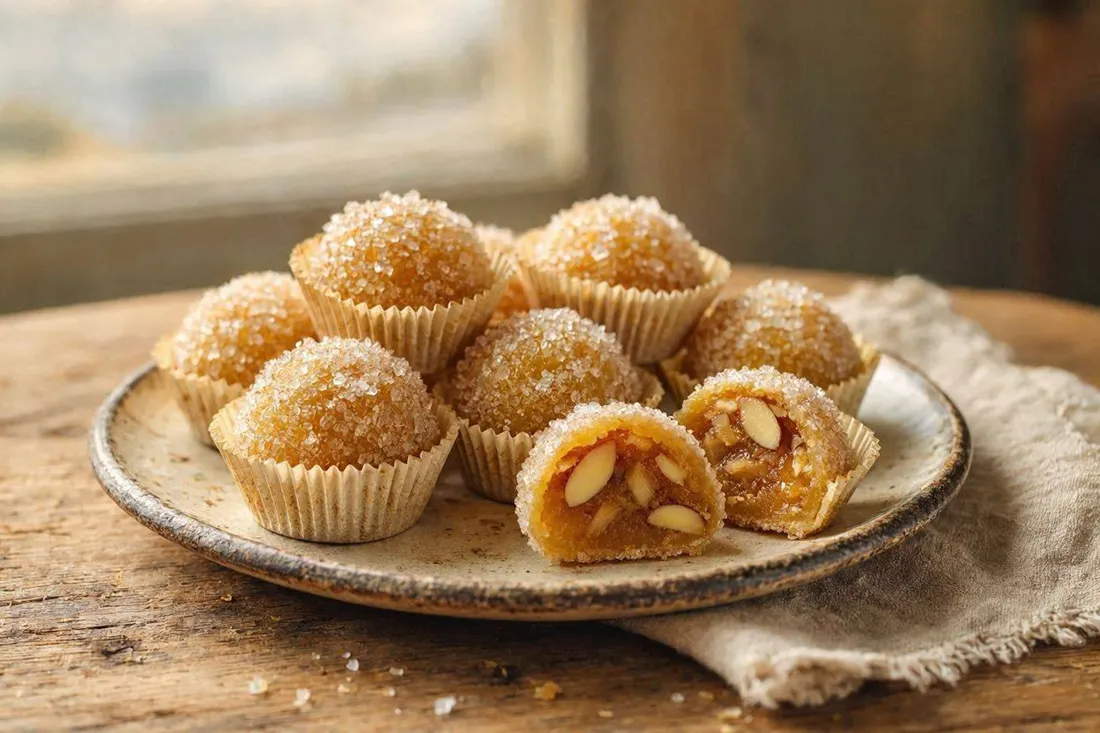
Apple and Orange Bonbons
Grated tart apple cooked with sugar and orange until thick, mixed with sliced almonds, shaped into bonbons, and rolled in crystal sugar.