Chestnut Roll with Chocolate Glaze
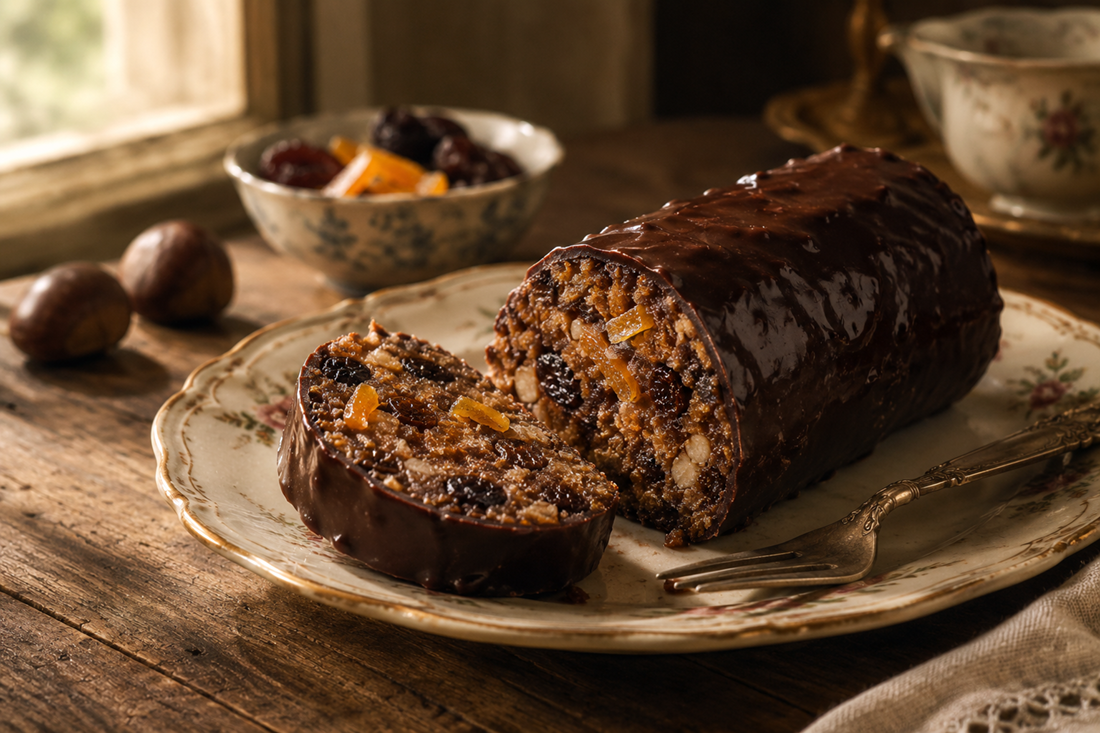
A dense, no-bake chestnut confection studded with candied citrus peel, dates, and raisins, and finished with a glossy dark chocolate glaze.
Quick Summary
This chestnut roll pairs puréed chestnuts with candied citrus peel, dates, and raisins, wrapped in a dark chocolate glaze. It's a dense, no-bake confection, ready in about an hour of active time plus extra time for the glaze to set.
Historical recipe
Modernised adaptation of an early 20th‑century source. Not independently kitchen-tested by Attic Recipes. Quantities, temperatures, and food safety guidance have been updated for a contemporary kitchen — results may vary and errors may exist. Nutritional values, where provided, are estimates only and have not been laboratory tested. Always follow current food safety guidelines for your region. If you have a health condition, allergy, or dietary requirement, consult a qualified professional before preparing this recipe.
Use of this recipe is entirely at your own risk and subject to our Terms of Service and Privacy Policy. Attic Recipes accepts no liability for any adverse outcome.
- Tree Nuts
- Dairy
- Gluten
- Sulphites
Additional notes
-
Note
Contains a small amount of rum, which isn't cooked or evaporated in this recipe. Not suitable for children, pregnant women, or anyone avoiding alcohol.
For an alcohol-free version, soak the candied peel in orange juice or strong black tea instead of rum.
-
Note
High in saturated fat and sugar per serving due to the butter and chocolate. Those managing cholesterol, heart health, or diabetes — particularly older adults — may want to keep portions small.
-
Note
Contains chestnuts. Though chestnuts aren't on the official EU or FALCPA major allergen list, documented tree-nut cross-reactivity means those with a known nut allergy should exercise caution.
- 1
Boil the 500g of chestnuts in their shells in a large pot of water until tender, about 30–35 minutes.
Tip Scoring an X into each shell before boiling makes peeling much easier. - 2
While the chestnuts are still warm, peel away the shells and inner skins, then pass the flesh through a fine sieve or food mill to make a smooth paste.
Tip A food processor or potato ricer works well in place of a traditional food mill. Purée while the chestnuts are still warm — they firm up and are harder to press through once fully cooled. - 3
In a separate bowl, cream 50g of the butter until light, then beat in the 125g of sugar. Fold this mixture into the chestnut purée.
- 4
Finely chop the 50g of candied citron peel and 50g of candied orange peel, then let them sit in the 2 tsp of rum for about 15 minutes to soften.
Tip This soaking time is an estimate — anywhere from 10 to 20 minutes works. - 5
Finely chop the 125g of dates. Clean the 50g of raisins. Fold the chopped dates, raisins, and the soaked candied peel (with any remaining rum) into the chestnut mixture until evenly distributed.
- 6
Dust a clean board or work surface with the 2 tbsp of flour. Turn the chestnut mixture out onto the floured surface and shape it into a compact, even log with your hands. Transfer to a long serving plate.
- 7
Gently melt the 300g of chocolate over a double boiler or in short bursts in the microwave, then stir in the remaining 80g of butter until fully combined.
Tip A double boiler gives more even, controllable melting than an oven and avoids scorching the chocolate. - 8
Set the glaze in a cool spot and whisk it occasionally until it thickens to a spreadable, coating consistency, about 10–15 minutes.
- 9
Pour the thickened glaze over the roll, spreading it evenly to coat the top and sides. Let it set completely at room temperature or in the refrigerator before slicing.
- 10
Once the glaze has fully set, slice the roll into rounds and serve.
Nutrition Information per 1 slice (approx 110g)
Nutritional values are approximate estimates and may vary based on specific ingredients used, preparation methods, and portion sizes.
Serving Suggestions
Slice thinly and serve chilled or at room temperature with coffee or a dessert wine. Leftovers keep well, tightly wrapped, in the refrigerator for several days.
About This Recipe
This chestnut roll takes cooked, puréed chestnuts and turns them into a dense, richly studded log filled with candied citrus peel, dates, and raisins, all coated in a glossy chocolate glaze. It sits somewhere between a confection and a cake — no flour or eggs hold it together, just the natural body of the chestnut purée itself.
The combination of ingredients reflects a kitchen stocked for winter: chestnuts kept well in storage, and candied peel and dried fruit didn’t spoil the way fresh produce would. A splash of rum brightens the dried fruit and citrus without requiring anything more exotic.
Why It Works
Chestnuts are unusually starchy for a nut-like ingredient, giving the purée enough body to hold its shape once rolled, without needing flour or eggs as a binder. Creaming the butter and sugar separately before folding them into the purée lightens what would otherwise be a dense, pasty texture. The chocolate glaze relies on cocoa butter firming up as it cools — whisking it in a cool spot encourages the fat to set into a smooth, matte coating rather than a greasy sheen.
Modern Kitchen Tips
- A food processor or potato ricer replaces the traditional food mill for puréeing the chestnuts, giving a smooth result with less effort.
- Score an X into each chestnut shell before boiling; it makes peeling much easier while they’re still warm.
- If the glaze thickens too much before you pour it, gently rewarm it over the double boiler for a few seconds.
- Chill the finished roll before slicing for cleaner, more even rounds.
A classic of early 20th century home cooking, preserved and adapted for the modern kitchen.
The Story Behind This Recipe
Historical Context
Chestnut confections like this one were popular festive treats in Central European households in the early 20th century, especially around the winter holidays, when chestnuts were plentiful and candied citrus peel was a prized pantry ingredient. Home cooks of the period commonly used a fine sieve or food mill to press cooked chestnuts into a smooth paste, since an even texture was considered essential for this type of confection. Dried fruit like dates and raisins, along with candied citrus peel, were pantry staples that added sweetness through the winter months when fresh fruit was scarce.
Modern Kitchen Adaptation
The traditional method calls for softening the chocolate glaze in the oven; a double boiler or short bursts in the microwave gives more even, controllable melting and lowers the risk of scorching. The fine sieve or food mill traditionally used to purée the chestnuts has been swapped for a food processor or potato ricer, which give a comparably smooth result with far less effort. The weight of the chocolate used for the glaze wasn't standardized historically, so 300g is an estimate based on a typical bar size — adjust slightly if the glaze seems too thin or too thick. The flour amount for dusting the work surface and the soaking time for the rum-soaked candied peel are also estimates, since the traditional method didn't specify exact quantities for either.
This recipe is an independent modern adaptation developed from historical sources in the public domain. It is provided for informational and educational purposes only and does not constitute professional dietary, nutritional, or medical advice. Food preparation involves inherent risks. The reader assumes full responsibility for safe food handling, ingredient sourcing, and adherence to current local food safety guidelines. The site operator accepts no liability for outcomes resulting from the preparation or consumption of this recipe.
One recipe.
Every week.
You Might Also Like
More recipes you'll enjoy
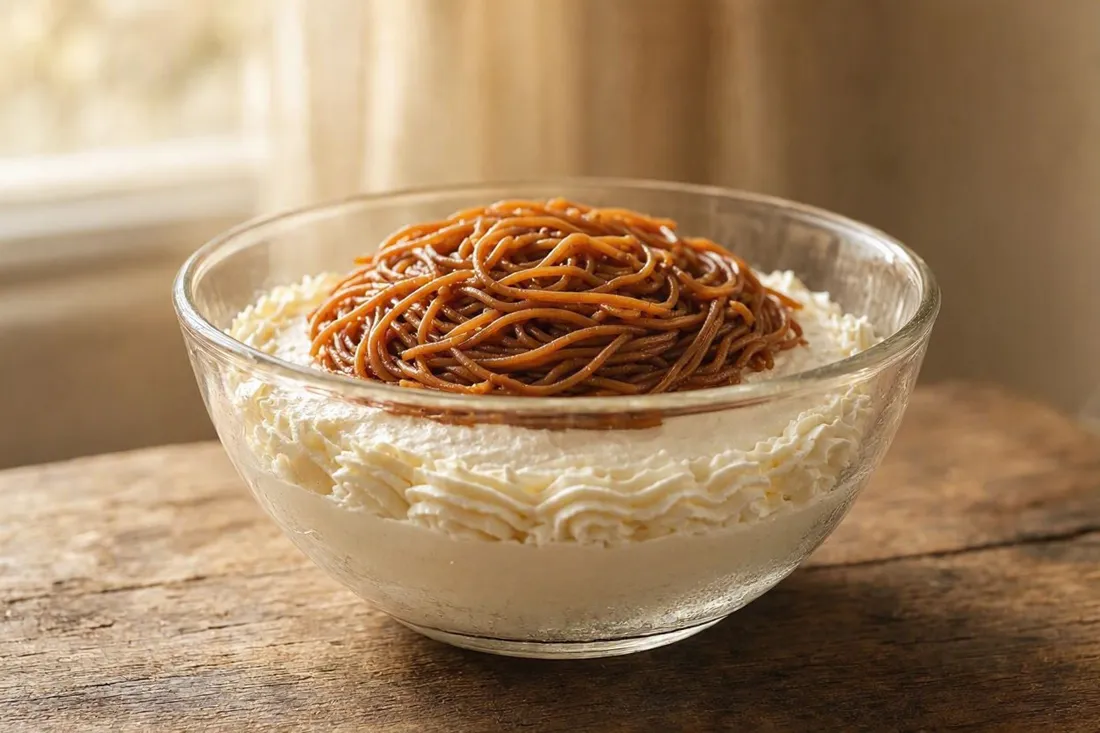
Chestnut Purée with Whipped Cream
Sweetened chestnut puree is pressed through a ricer over whipped cream and finished with a piped border of cream — a rich chestnut dessert.
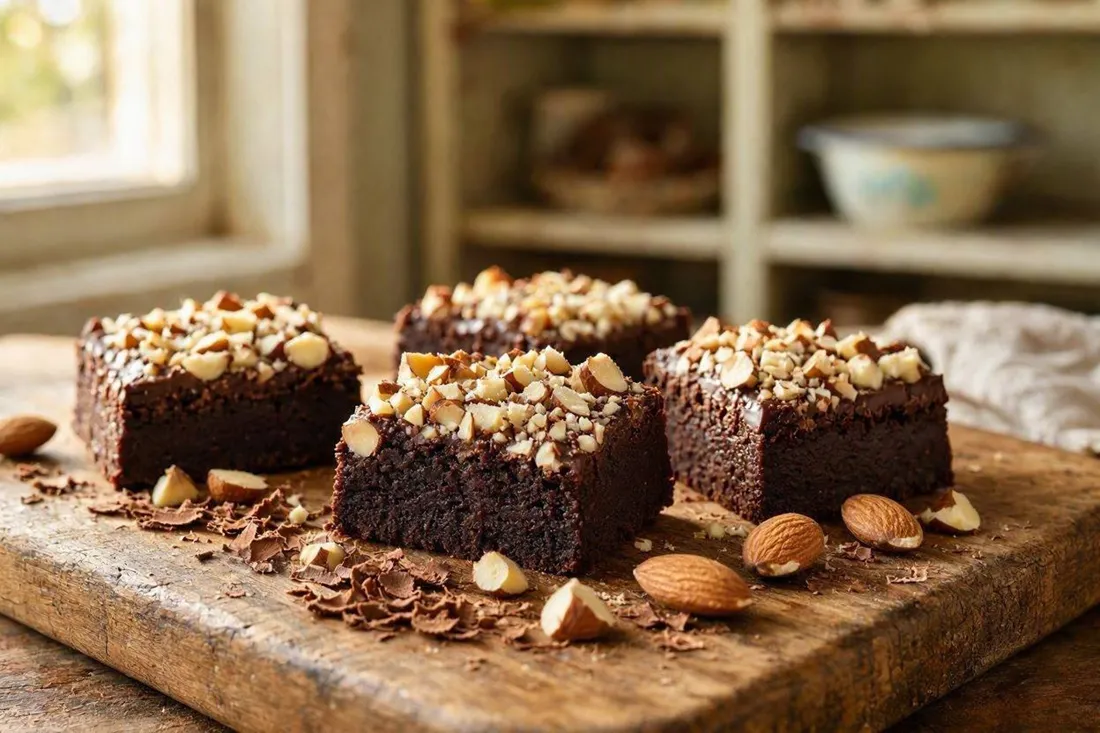
Rich Chocolate Squares with Almonds
A rich, dense chocolate square cake, topped with chopped almonds and baked low and slow until set — cut into neat squares once cooled.
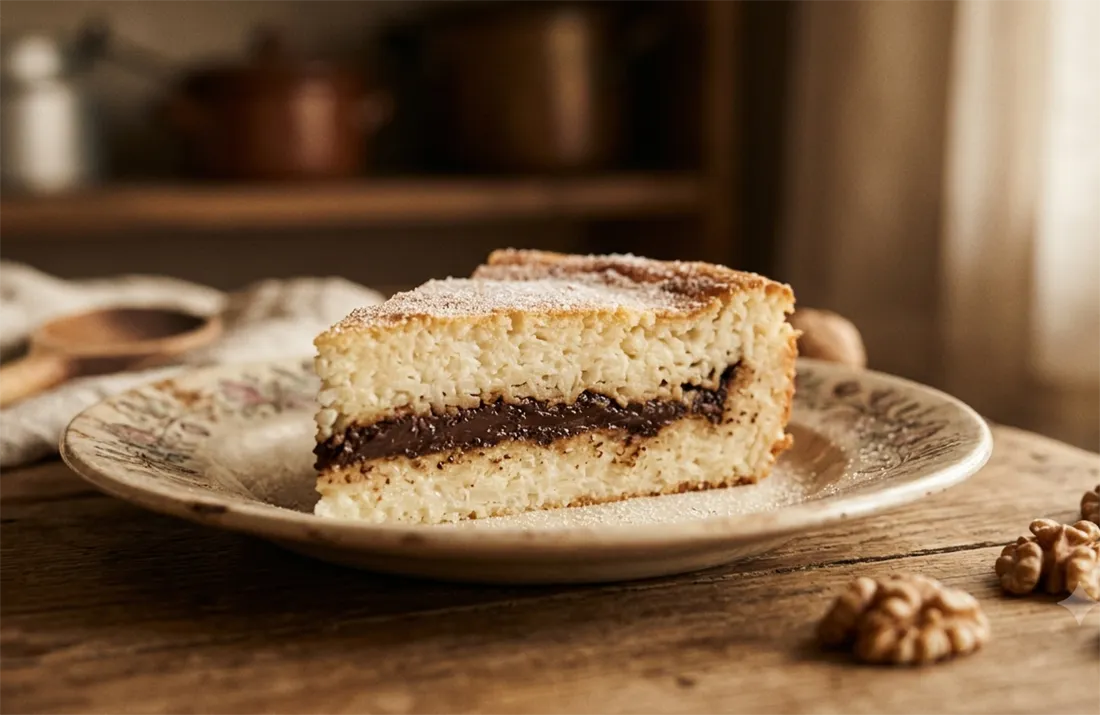
Baked Rice Pudding with Rum and Chocolate
Rice cooked in a citrus-rum syrup, layered with walnuts and grated chocolate, then baked under a golden egg white glaze.