Zucchini Stuffed with Grated Cheese
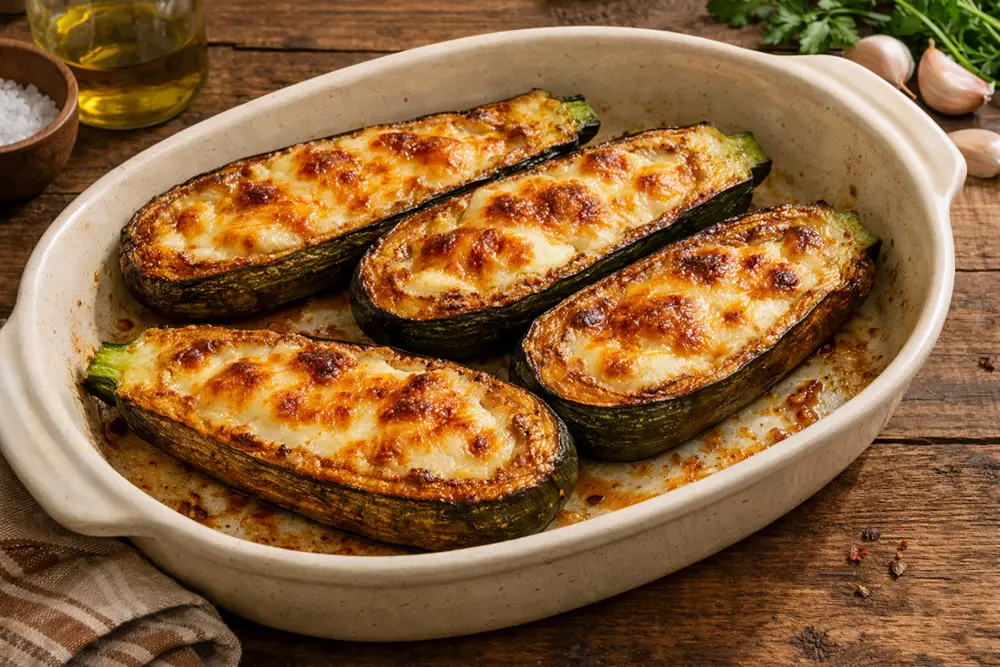
Young zucchini hollowed and filled with a light mixture of butter, egg, grated cheese, and parsley, then slowly baked.
Historical recipe
Modernised adaptation of an early 20th‑century source. Not independently kitchen-tested by Attic Recipes. Quantities, temperatures, and food safety guidance have been updated for a contemporary kitchen — results may vary and errors may exist. Nutritional values, where provided, are estimates only and have not been laboratory tested. Always follow current food safety guidelines for your region. If you have a health condition, allergy, or dietary requirement, consult a qualified professional before preparing this recipe.
Use of this recipe is entirely at your own risk and subject to our Terms of Service and Privacy Policy. Attic Recipes accepts no liability for any adverse outcome.
- Eggs
- Dairy
Additional notes
-
Warning
This recipe contains egg yolks and egg whites that are cooked during baking. Ensure the internal temperature of the filling reaches 74°C (165°F) before serving. Pregnant women, children under 18, elderly individuals, and immunocompromised persons should use pasteurized eggs.
Use commercially pasteurized eggs, available in most supermarkets, to reduce the risk associated with undercooked egg products.
- 1
Peel the 800g zucchini. Slice off the top of each one to create a flat lid approximately 1cm thick — set these lids aside. Using a melon baller or small spoon, carefully hollow out the centre of each zucchini, leaving a wall of at least 1cm on all sides. Finely chop the scooped-out flesh, discarding any hard seeds.
Tip Work slowly when hollowing — the wall must be thick enough to hold the filling without collapsing during baking. - 2
Place the hollowed zucchini shells and the chopped zucchini flesh separately on a fine sieve. Sprinkle lightly with salt and leave to drain for 15 minutes. Pat both dry with a clean cloth before using.
- 3
In a large bowl, beat the 30g softened butter with an electric mixer or whisk until pale, light, and foamy — approximately 3 minutes. Add the 2 egg yolks one at a time, beating well after each addition. Add the drained chopped zucchini flesh and mix to combine.
- 4
Add the 50g grated cheese, the 8g finely chopped parsley, the 0.5 tsp salt, and the 0.25 tsp black pepper. Stir to combine.
- 5
In a separate clean bowl, whisk the 2 egg whites to stiff peaks — the mixture should hold its shape when the whisk is lifted and not slide when the bowl is tilted. Fold one third of the egg whites into the cheese mixture to loosen it, then gently fold in the remaining two thirds in one addition, working in wide strokes to preserve the volume.
Tip The bowl and whisk must be completely clean and dry — any trace of fat will prevent the whites from reaching stiff peaks. - 6
Preheat the oven to 175°C (350°F) / 155°C fan. Grease the baking dish with the 15g butter or oil. Spoon the filling into the hollowed zucchini shells, dividing it evenly. Replace the cut-off lids and secure each one firmly with a wooden toothpick.
- 7
Arrange the stuffed zucchini side by side in the prepared baking dish. Place in the oven and bake for 35–40 minutes, until the zucchini shells are completely tender when pierced with a skewer. Every 10 minutes, spoon the pan juices over the zucchini; if the dish becomes dry, add 2–3 tablespoons of cold water.
Tip Do not open the oven for the first 20 minutes — the filling needs time to set before being disturbed. - 8
Remove from the oven. Remove and discard the toothpicks before serving. Serve hot directly from the baking dish, or leave to cool completely and serve at room temperature.
Nutrition Information per 1 stuffed zucchini (approx. 220g)
Nutritional values are approximate estimates and may vary based on specific ingredients used, preparation methods, and portion sizes.
Serving Suggestions
Serve hot as a side dish alongside roasted or grilled meat, or at room temperature as a light starter. Cold stuffed zucchini sliced into rounds also works well as part of a cold spread. A simple tomato sauce alongside is a natural pairing.
About This Recipe
There is a certain ingenuity to this recipe that becomes apparent only when you read it carefully. The zucchini is not just a vessel — it contributes directly to the filling. The scooped-out centre, drained and chopped, is beaten into the butter and egg mixture, so the flavour of the vegetable runs through every bite rather than sitting only in the shell. The lid, cut from the top and secured back in place with a toothpick, traps the steam generated during baking, keeping the filling moist and the shell tender without the need for any additional liquid beyond the occasional spoonful of pan juices.
The filling technique is borrowed from classical soufflé preparation: butter beaten to a foam, yolks beaten in, then stiff whites folded through at the end. In this context it produces something less dramatic than a soufflé — it does not rise above the zucchini — but it gives the filling a lightness that distinguishes it from the dense, breadcrumb-bound stuffings common in later recipes of this type.
This dish works equally well hot and cold, which was a practical consideration in households where cooking happened in batches and meals were served across several hours.
Why It Works
Draining the hollowed zucchini flesh before incorporating it into the filling is the step most likely to be skipped and the one that matters most. Zucchini is largely water — up to 95% by weight — and that water will dilute the filling if not removed first. Fifteen minutes on a sieve with a light salting draws out enough moisture to keep the filling from becoming loose and wet.
Beating the butter to a foam before adding the yolks is an aeration technique. The butter traps air during beating, and that air, along with the beaten egg whites, gives the filling its light texture after baking. The butter must be genuinely soft — not melted, not cold — to aerate properly. Cold butter will not hold air; melted butter has lost the solid fat structure necessary for the foam to form.
The lid serves a practical function beyond presentation. It traps steam inside the zucchini during baking, which cooks the shell from the inside as well as the outside and keeps the filling from drying out or cracking at the surface.
Modern Kitchen Tips
- Test internal temperature with an instant-read thermometer — the filling should reach 74°C (165°F) at the centre before serving.
- Uniform zucchini size matters for even baking — if sizes vary, the smaller ones will overcook before the larger are done.
- Do not overfill — leave 5mm of space at the top of each cavity to allow the filling to expand slightly without pushing the lid off.
- If the filling seems too loose before baking, refrigerate the stuffed zucchini for 15 minutes — the cold firms the butter and makes the texture easier to manage.
- A dry baking dish means the zucchini is cooking too fast at the base — add water in small amounts and reduce the temperature by 10°C for the remainder of the bake.
A classic stuffed vegetable dish from early 20th century Central European home cooking, preserved and adapted for the modern kitchen.
The Story Behind This Recipe
Historical Context
Early 20th century recipes for stuffed zucchini of this type typically called for beating butter to a foam before combining it with egg yolks — a technique used to aerate the filling in the absence of chemical leavening. Home cooks of the period relied on the mechanical incorporation of air into the butter, and on the separately beaten egg whites, to produce a filling that was light rather than dense. The instruction to bake the zucchini slowly, basting with the pan juices and adding water if necessary, reflects the conditions of wood-fired or early gas ovens, which produced dry, uneven heat that required active management. The recipe notes that the dish is suitable for serving both hot and cold — a practical consideration for households where meals were prepared in advance.
Modern Kitchen Adaptation
The oven temperature of 175°C is estimated — period recipes of this type described only a slow oven without specifying a temperature. The quantities of butter, salt, pepper, and oil for the dish are estimated; the original text gave no precise measures for these. An electric hand mixer makes the butter-beating step considerably faster and more reliable than beating by hand. Kashkaval is the cheese most consistent with the period and region; Gruyère, Parmesan, or a mature Gouda are widely available alternatives with comparable melting properties. Pasteurized eggs are recommended; see safetyWarnings.
This recipe is an independent modern adaptation developed from historical sources in the public domain. It is provided for informational and educational purposes only and does not constitute professional dietary, nutritional, or medical advice. Food preparation involves inherent risks. The reader assumes full responsibility for safe food handling, ingredient sourcing, and adherence to current local food safety guidelines. The site operator accepts no liability for outcomes resulting from the preparation or consumption of this recipe.
One recipe.
Every week.
You Might Also Like
More recipes from the same category
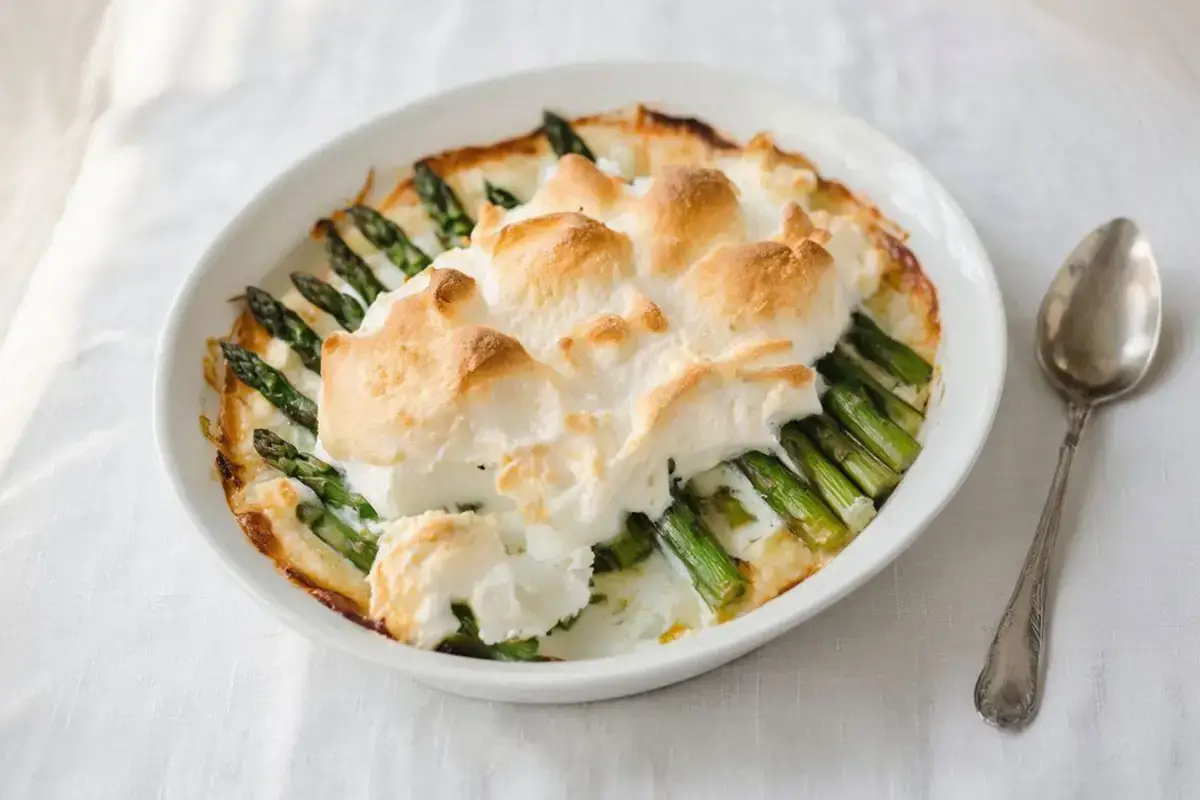
Asparagus Venetian Style
Fresh asparagus baked under a rich egg yolk cream sauce and a golden meringue-cheese topping. An elegant Central European appetizer.
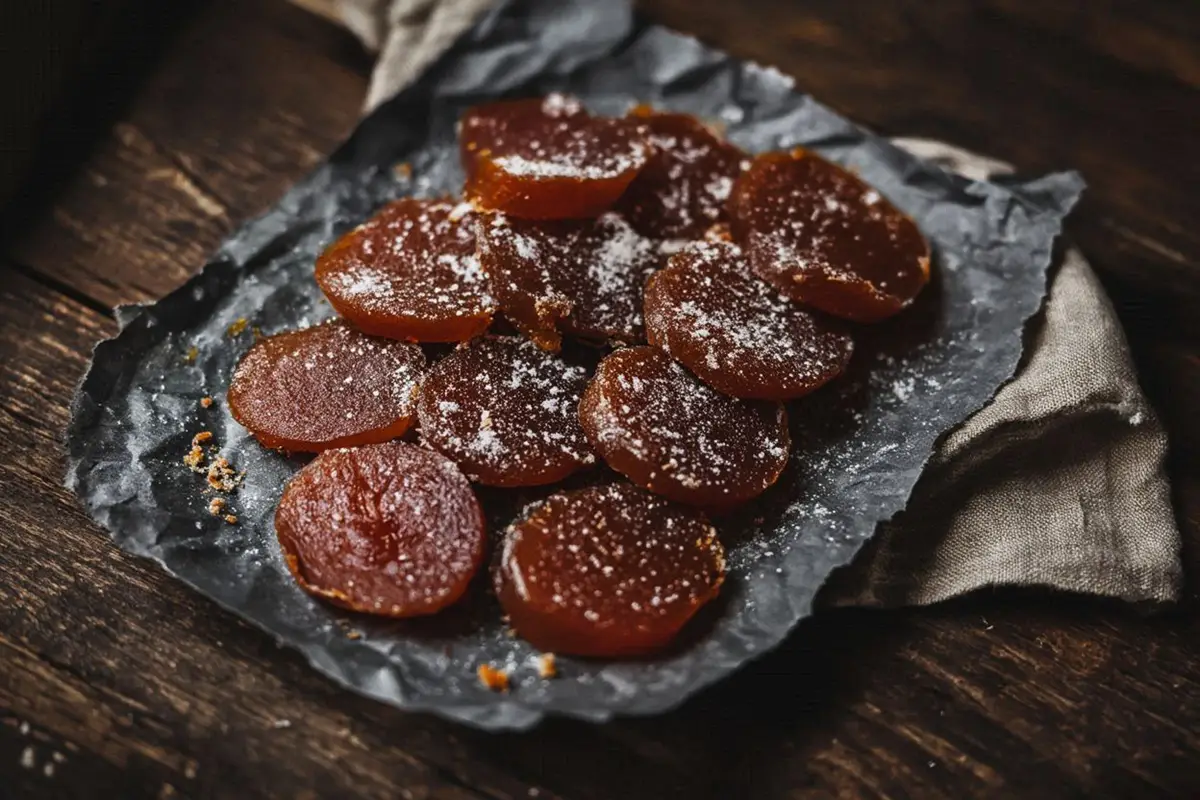
Apricot Fruit Paste
Sieved ripe apricots cooked with equal weight sugar and lemon juice, poured into molds and air-dried — from early 20th century Central European kitchens.
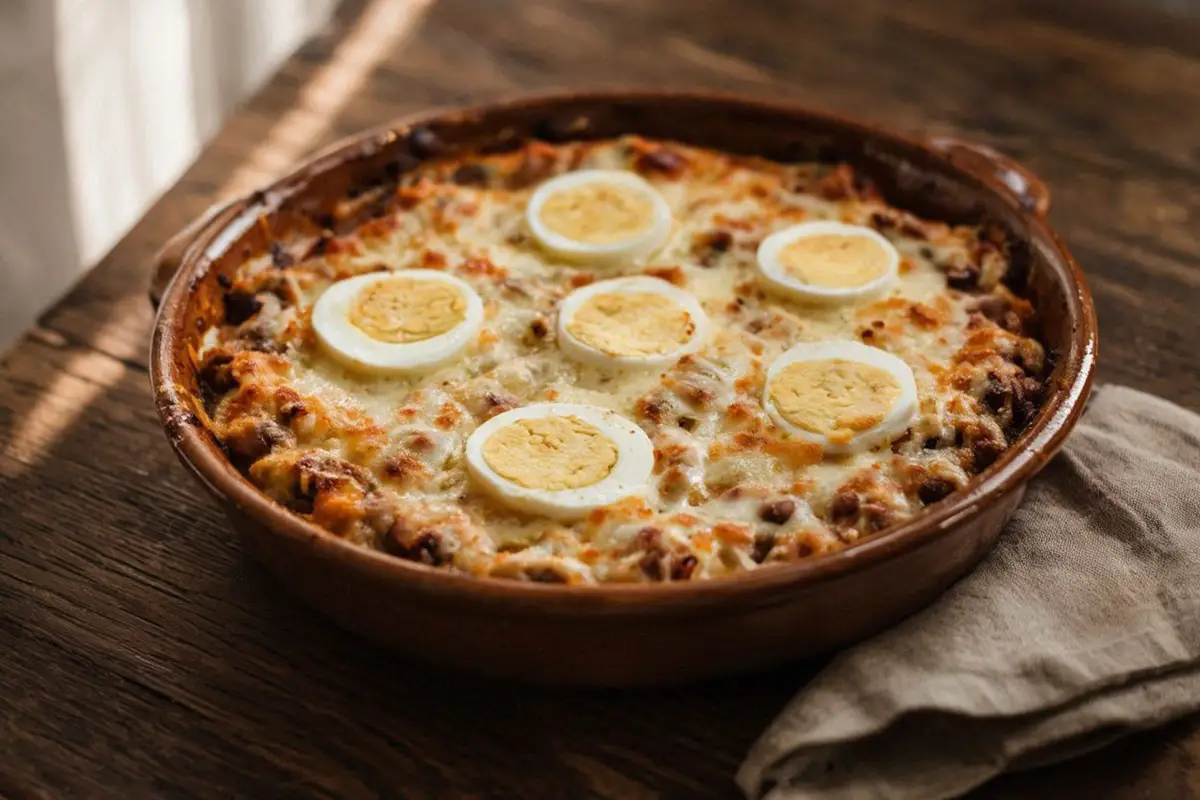
Bean Moussaka Without Meat
A hearty Central European vegetarian moussaka of pureed white beans layered with hard-boiled eggs, kashkaval cheese, and a sour cream custard topping.